
ORIGINAL ARTICLE
BURNOUT SYMPTOMS IN BRAZILIAN NURSING WORKERS: NETWORK ANALYSIS OF THE BURNOUT ASSESSMENT TOOL
Lacir José Santin Júnior1, Isabely Karoline da Silva Ribeiro2, Ana Carolina Gomes Martins de Oliveira3, Mayla Rodrigues Valadão Borges4, Ana Claudia Souza Vazquez5, Fernanda Ludmilla Rossi Rocha6
1 Ribeirão Preto Nursing School, University of São Paulo. Ribeirão Preto, SP, Brazil. ORCID: 0000-0001-9873-5010. E-mail: lacirsantin@usp.br.
2 Ribeirão Preto Nursing School, University of São Paulo. Ribeirão Preto, SP, Brazil. ORCID: 0000-0003-0732-7631. E-mail: isabelykaroline@usp.br.
3 Ribeirão Preto Nursing School, University of São Paulo. Ribeirão Preto, SP, Brazil. ORCID: 0009-0006-3954-949X. E-mail: carolgmo86@gmail.com.
4 Ribeirão Preto Nursing School, University of São Paulo. Ribeirão Preto, SP, Brazil. ORCID: 0000-0003-0832-5603. E-mail: maylarodrigues@usp.br.
5 Federal University of Health Sciences, Psychology Department, Porto Alegre, RS, Brazil. ORCID: 0000-0002-7760-9266. E-mail: vazquez.ac@gmail.com.
6 Ribeirão Preto Nursing School, University of São Paulo. Ribeirão Preto, SP, Brazil. ORCID: 0000-0002-0911-3728. E-mail: ferocha@eerp.usp.br.
ABSTRACT
Objective: To analyze the network structure corresponding to burnout symptoms in Brazilian nursing workers. Method: A cross-sectional study with non-probability sampling. The sample included 3,594 nurses, nursing technicians and nursing assistants and the data collection was performed remotely. The burnout symptoms were assessed with the Burnout Assessment Tool – General Version. The data were analyzed by means of the network analysis technique, using the Least Absolute Shrinkage and Selection Operator (LASSO) partial correlation and regression method. Centrality of the nodes was estimated through strength, closeness and betweenness indicators and network stability was assessed by means of the correlation stability coefficient. Results: The centrality strength analysis identified “I feel tense and stressed” and “I have trouble concentrating” as core symptoms. The betweenness and closeness indices evidenced “I feel anxious and/or suffer from panic attacks” and “I feel tense and stressed” as the most relevant symptoms. The stability coefficient confirmed the network structure. Conclusion: The network analysis allowed identifying the main burnout symptoms among Brazilian nursing workers and revealed strategic targets to devise mental health promotion actions for these professionals.
Descriptors: Nursing; Occupational Health; Burnout, Psychological; Psychometrics.
|
How to cite: Santin Júnior LJ, Ribeiro IKS, Oliveira ACGM, Borges MRV, Vazquez ACS, Rocha FLR. Burnout symptoms in Brazilian nursing workers: network analysis of the Burnout Assessment Tool. Online Braz J Nurs. 2026;25(1):e20266969. http://doi.org/10.17665/1676-4285.20266969 |
What is already known:
The persistent imbalance between demands and resources in work environments favors workers' wear out and causes burnout in the long term.
Burnout manifests itself through a complex system of physical and psychological symptoms.
There are gaps related to understanding the network of symptoms that comprise burnout.
What this article adds:
The results corroborate the BAT theoretical assumptions, confirming adequacy of the tool as a consistent instrument to assess burnout symptoms among nursing workers.
Understanding the inter-relations across burnout symptoms demonstrates the complexity inherent to the syndrome and its close relationship with nursing work.
The main burnout symptoms are targets to apply strategies aimed at mental health promotion in nursing professionals.
INTRODUCTION
In the last few years, network analyses applied to psychological variables have consolidated as an innovating approach in psychometric research, allowing to identify and explore the complex interaction among observable symptoms or behaviors(1). In the Psychopathology field, this perspective starts from the assumption that symptoms are not mere manifestations of a latent entity but elements that influence one another throughout time, configuring dynamic systems of relationships(2). Thus, activation of a given symptom can trigger or intensify others(3). In this context, metrics such as centrality allow identifying the symptoms exerting the highest influence on the network, offering relevant insights to understand psychopathological processes(4).
Despite the progress made, the predominating psychometric studies may present limitations for not properly recording the interdependence between symptoms and the dynamic processes that sustain burnout(1). In this sense, network analysis emerges as a particularly decisive approach because it enables identifying the potentially most influential symptoms for burnout to development, as well as studying the interaction patterns among symptoms(3).
This approach proves to be especially pertinent in the face of the contemporary proposals to redefine burnout, which conceptualize it as a work-related exhaustion state characterized by extreme tiredness, reduced emotional regulation capacity, cognitive control decline and mental distance(5). By emphasizing the inter-relations among these components, this conception is directly in line with the network analysis assumptions.
The Burnout Assessment Tool (BAT) instrument was developed in order to operationalize this definition. In its general version, this tool has 32 items distributed into four factors that represent the primary burnout symptoms (exhaustion, mental distance, cognitive impairment and emotional impairment) and another two factors that include its secondary symptoms (psychological distress and psychosomatic complaints)(6). The instrument has recently been validated among Brazilian nursing workers, presenting excellent psychometric properties(7).
According to the authors of BAT, exhaustion refers to an intense energy loss that is manifested both physically and mentally, emotional impairment is associated with affective overload and with difficulties controlling emotions at work, cognitive impairment involves attention, concentration and memory difficulties, and mental distance is characterized by aversion to work, indifference, cynicism and loss of enthusiasm. Associated with these core symptoms, psychological distress includes manifestations such as anxiety, tension and sleep disorders; in turn, the psychosomatic complaints correspond to physical problems influenced by psychological factors(5).
A validation study for the psychometric properties of “BAT – General Version” conducted with Brazilian nursing workers showed that the instrument factors are strongly correlated to each other, with the associations between the psychological distress factor and the exhaustion, emotional impairment and psychosomatic complaints domains especially standing out(7). Although relevant, these findings do not allow analyzing the relationships between the manifested variables observed; in other words, the relationship between each of the burnout symptoms as measured with BAT, representing an important gap to deepen what is known about the dynamics of these symptoms in Brazilian nursing workers.
Given this panorama, the current study aimed at analyzing the network structures corresponding to burnout symptoms among Brazilian nursing workers by means of the Burnout Assessment Tool, with the objective of identifying interaction patterns and core symptoms that may contribute to enhancing what is known about burnout in this occupational context.
METHOD
This is an observational and cross-sectional study with non-probability sampling, prepared according to the Strengthening the Reporting of Observational Studies in Epidemiology (STROBE) recommendations. The population was comprised by nursing professionals registered at the Federal Nursing Council (Conselho Federal de Enfermagem, COFEN).
Inclusion criteria: being nurses or nursing technician/assistants and having been active in the profession for at least one year. The workers excluded were those that stated not being active in Nursing during the data collection period and those who failed to answer all the items included in the instrument used to assess burnout symptoms.
The data were collected between April and July 2022 by means of electronic messages sent by the COFEN to all the professionals duly registered. These messages contained an access link to the Free and Informed Consent Form (FICF) and to the research instrument, both prepared in the Research Electronic Data Capture (REDCap) platform. In order to ensure safeguarding the subjects' data, the invitation to participate was sent directly by the COFEN.
In all, 779,337 email messages were sent, corresponding to the total number of electronic addresses belonging to professionals duly registered in the COFEN at the data collection time. Of these professionals, 5,979 nursing workers voluntarily accepted to take part in the study, resulting in a 0.77% adherence rate. Among the participants that accessed the questionnaire, 3,594 answered the data collection psychometric instrument in full (66.11% response rate) and met the inclusion criteria, thus comprising the final research sample.
The data collection instrument had two parts: the first one was comprised by variables to characterize the participants (age, gender, marital status, area of residence and professional performance), also including occupational variables (role performed and working time in Nursing). The second part consisted in applying the Burnout Assessment Tool (BAT) – General Version, used to assess burnout symptoms.
BAT – General Version has 32 items divided into six factors, namely: four representing the primary burnout symptoms (exhaustion [items 1-8), mental distance [items 9-12), cognitive impairment [items 13-17) and emotional impairment [items 18-22) and another two related to the secondary burnout symptoms (psychological distress [items 23-27] and psychosomatic complaints [items 28-32]). The items are answered following a five-point Likert scale, namely: 1 (never), 2 (rarely), 3 (sometimes), 4 (frequently) and 5 (always)(5). The translation and cultural adaptation process corresponding to BAT for the Brazilian context was undertaken by the authors of the instrument themselves. This version is available free of charge (https://burnoutassessmenttool.be/start_eng/).
It is noted that the adapted version of the BAT – General Version for the Brazilian context was validated and published in a previous survey conducted with the same population as the one of this study, presenting excellent psychometric properties in all the factor models tested. The original model with six factors and 32 items [λ=0.717–0.939; TLI=0.961; CFI=0.965; RMSEA=0.073 (90%CI=0.072–0.074); SRMR=0.035; α=0.883–0.961] especially stands out. In addition to that, scale invariance across different analysis groups was verified, evidencing the robustness of BAT – General Version to assess burnout symptoms in the sample under study(7).
The psychological network analysis technique was used for data analysis. Networks represent systems of interconnected elements where nodes symbolize observable variables (psychological symptoms) and edges illustrate the strength of the connections between variables(8). In general, edges indicated in blue point to positive relationships, whereas those in red represent negative relationships. The intensity of these connections is shown by the thickness of the edges, translating the connections' strength. In the current study, each node corresponds to a BAT item and the edges illustrate the interactions established among the items.
The network estimation analysis was performed following the partial correlation model(1), with coefficients varying between -1 and 1. This model is the most frequently used framework to construct networks of psychological data with multivariate normal distribution and is part of the class of statistical models called Pairwise Markov Random Fields (PMRF), which employs Gaussian Graphical Models (GGMs)(9). The Least Absolute Shrinkage and Selection Operator (LASSO) method(10) was used in order to regularize the network. This method generates multiple networks from the original data and reduces the possibility of spurious or false-positive associations among the variables. The decision to choose the most adequate model obtained by means of LASSO is based on the Extended Bayesian Information Criteria, EBIC)(11), a fit measure that uses the gamma (γ) hyper-parameter to define the penalty degree applied to spurious correlations, allowing to select the most parsimonious network structure. In network analyses based on partial correlations, a γ value=0.50 is considered the standard(8,11).
The network description was assessed by means of three main indicators, namely: (1) Strength, which corresponds to adding up the weights of all the connections between a given node and the others, fundamental to identify the variables presenting more robust links in the network; (2) Betweenness, calculated by the frequency with which a given node appears in the shortest paths connecting pairs of nodes; and (3) Closeness, defined as the inverse of the minimum mean distance between a given node and all the others in the network(12). It is important to note that the closeness and betweenness indices can present limitations because they tend to be unstable, especially in small sample(1,8).
Precision of the centrality estimates was assessed by means of a non-parametric bootstrap analysis by case drop, with a 95% confidence interval. This procedure performs multiple resampling instances with replacement of the original sample, allowing to verify robustness of the network properties. Stability was examined by means of the Correlation Stability (CS) coefficient, where values below 0.25 indicate low reliability, those over 0.50 are considered acceptable, and those over 0.75 represent high stability(8).
All the statistical analyses were performed in R Studio, with the pacman, qgraph, bootnet and ggplot2 packages.
The study was approved by the Research Ethics Committee of the Ribeirão Preto Nursing School belonging to the University of São Paulo (CAAE 49679421.0.0000.5393), as per Opinion No. 4,912,327. All the stages were conducted in accordance with the recommendations set forth in National Research Ethics Council Circular Letter No. 1/2021 dated March 3rd, 2021, referring to conducting studies in online environments, as well as with National Health Council Resolution No. 738/2024 dated February 1st, 2024, related to using databases for the purposes of scientific research involving human beings.
RESULTS
Predominance of the female gender (n=3,090; 85.98%) was noticed among the 3,594 participants, more concentrated in the age group from 25 to 44 years old (n=2,638; 73.40%) and with a mean of 35.75 (SD=10.09). As for marital status, 1,789 participants (49.78%) were married or in stable unions, 1,402 (39,01%) were single and 395 (10.99%) were separated or widowed, with 0.22% (n=10) not answering this question. In relation to professional categories, 1,862 participants (51.81%) were nursing technicians or assistants, 1,722 (47.91%) were nurses and 0.28% (n=10) did not answer. As for their time active in Nursing, 2,468 participants (68.67%) had been in the profession from 1 to 10 years, 833 (23.17%) had done so for 11 to 25 years and 251 (6.99%) for more than 25 years, with 1.17% (n=42) of non-respondents. Most of the participants had only one employment contract (n=2,354; 65.50%). The highest concentration of respondents was observed in the Southeast region (n=2,695; 75.0%), followed by South (n=418; 11.6%), Northeast (n=292; 8.12%), Midwest (n=99; 2.75%) and North (n=79; 2.20%), with 11 participants (0.28%) not reporting their region of origin. There was predominance of subjects from the states of São Paulo (n=1,429; 39.8%), Minas Gerais (n=770; 21.4%), Rio de Janeiro (n=482; 13.4%), Santa Catarina (n=181; 5%) and Paraná (n=217; 6%), with nursing professionals from all the Brazilian states included in the sample.
As for the network analysis (represented in Figure 1), the clusters corresponding to the BAT factors were clearly defined, with more intense intersections between nodes in the same cluster; in other words, between items belonging to the same factor of the instrument.
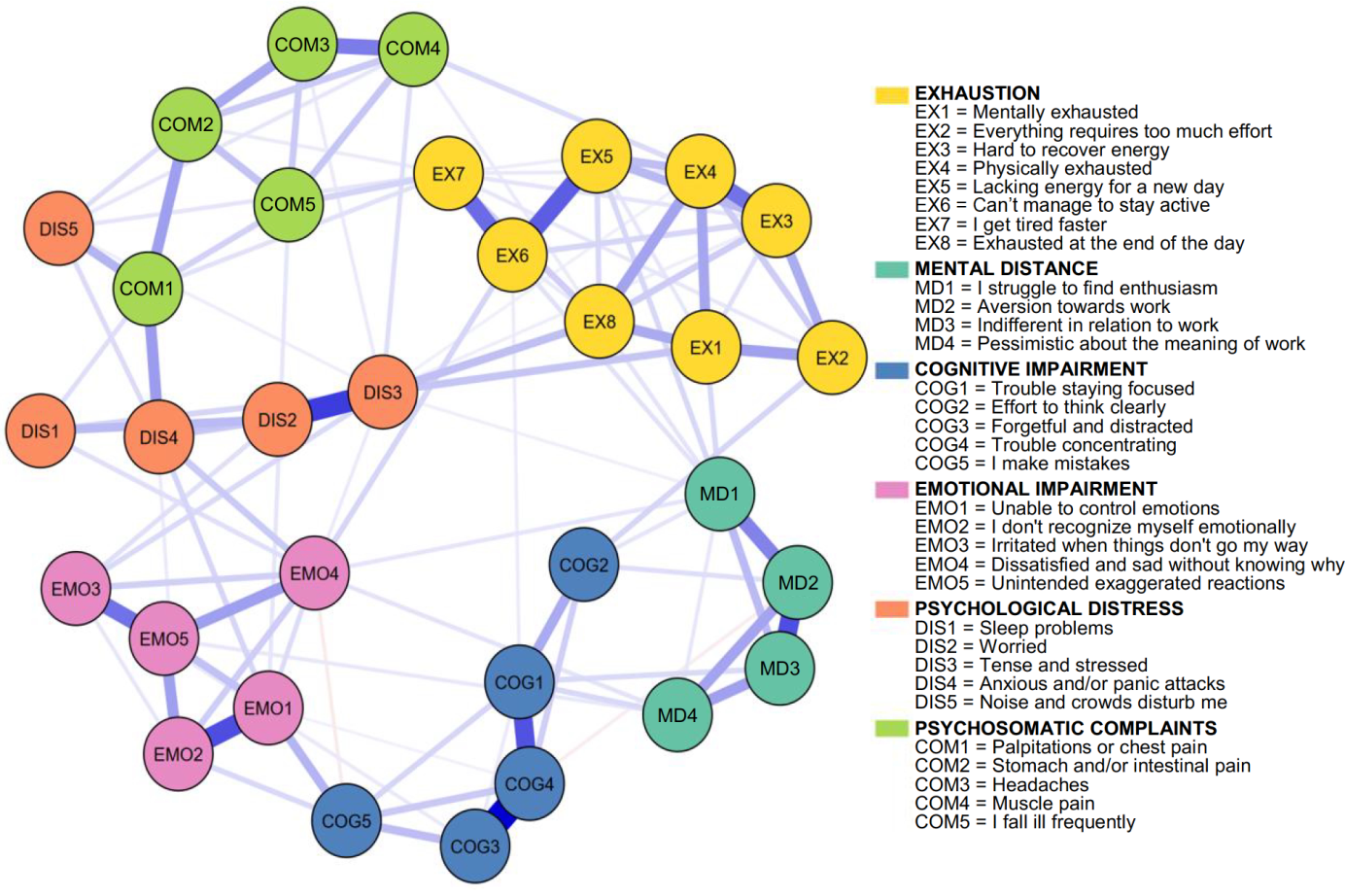
Figure 1 – Network analysis corresponding to BAT (n=3,594). Ribeirão Preto, SP, Brasil, 2026
Source: prepared by the authors, 2026.
The most intense connections in the exhaustion domain were detected between nodes EX5 (‘When I get up in the morning, I lack the energy to start a new day’) and EX6 (‘I want to be active, but somehow I am unable to manage’), between EX6 and EX7 (‘When I exert myself, I quickly get tired’) and between EX4 (‘I feel physically exhausted’) and EX3 (‘At the end of the day, I find it hard to recover my energy’).
As for mental distance, stronger connections were observed between nodes MD3 (‘I feel indifferent about my job’) and MD2 (‘I feel a strong aversion towards my job’), as well as between nodes MD2 and MD1 (‘I struggle to find any enthusiasm for my work’).
In the domain related to cognitive impairment, more intense connections were found between nodes COG3 (‘I’m forgetful and distracted’) and COG4 (‘I have trouble concentrating’), as well as between nodes COG4 and COG1 (‘I have trouble staying focused’). emotional impairment was characterized by the connections between nodes EMO1 (‘I feel unable to control my emotions’) and EMO2 (‘I do not recognize myself in the way I react emotionally’), as well as between nodes EMO3 (‘I become irritable when things don’t go my way’) and EMO5 (‘I may overreact unintentionally’).
The connection that stood out in the psychological distress domain referred to items DIS2 (‘I tend to worry’) and DIS3 (‘I feel tense and stressed’). Finally, the following connections stood out regarding psychological distress: between COM3 (‘I suffer from headaches’) and COM4 (‘I suffer from muscle pain, for example in the neck, shoulder or back’), as well as between COM1 (‘I suffer from palpitations or chest pain’) and COM2 (‘I suffer from stomach and/or intestinal complaints’).
In addition to that, significant connections were noticed between nodes from different clusters, with the following standing out: between DIS4 (‘I feel anxious and/or suffer from panic attacks’) and COM1 (‘I suffer from palpitations or chest pain’), between EMO1 (‘I feel unable to control my emotions’) and COG5 (‘I make mistakes because I have my mind on other things’), between DIS3 (‘I feel tense and stressed’) and EX8 (‘At the end of my day, I feel mentally exhausted and drained’) and between DIS3 and EX1 (‘I feel mentally exhausted’).
Figure 2 shows the centrality measures corresponding to the estimated network, indicating the most important burnout symptoms found among the participants.
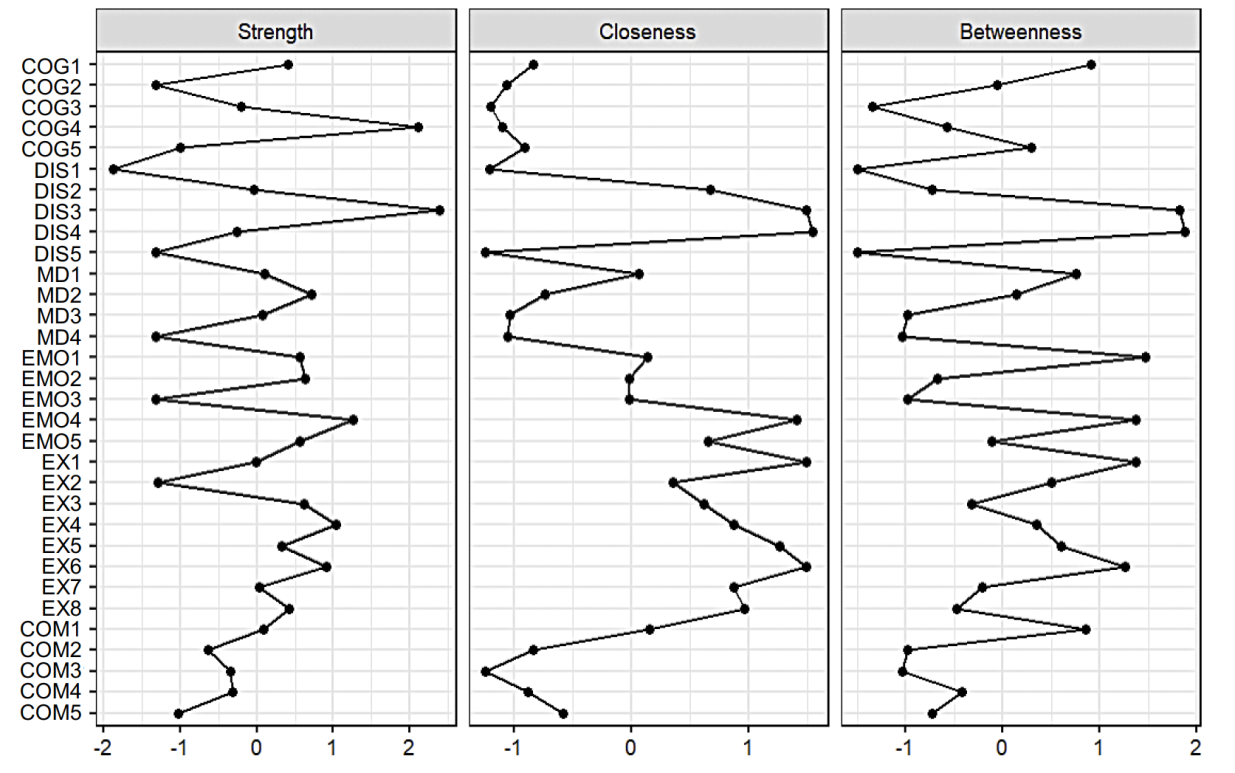
Figure 2 – Centrality indices corresponding to the nodes (n=3,594). Ribeirão Preto, SP, Brasil, 2026
Source: prepared by the authors, 2026.
The centrality strength analysis pointed to nodes DIS3 (‘I feel tense and stressed’) and COG4 (‘I have trouble concentrating’) as the network's core symptoms. This metric represents one of the main study results, as it is acknowledged as the most stable and robust measurement for estimating networks. The measurement corresponding to the betweenness and closeness indices showed that nodes DIS4 (‘I feel anxious and/or suffer from panic attacks’) and DIS3 (‘I feel tense and stressed’) were the most relevant for network connectivity as a whole and for the inter-relationships among nodes. It is worth noting that, despite contributing important data, the betweenness and closeness indices are knowingly less stable and highly sensitive to network density and size, which requires caution when interpreting them.
Figure 3 presents the precision corresponding to the estimated network of burnout symptoms. It was observed that, after successive resampling instances, the centrality strength index remained more stable than the others, which presented a significant reduction when 40% of the cases were removed.
As for the correlation stability (CS) coefficient, the values obtained were as follows: 0.75 for “strength” and “closeness”; and 0.51 for betweenness, indicating high network stability and robustness of the findings.
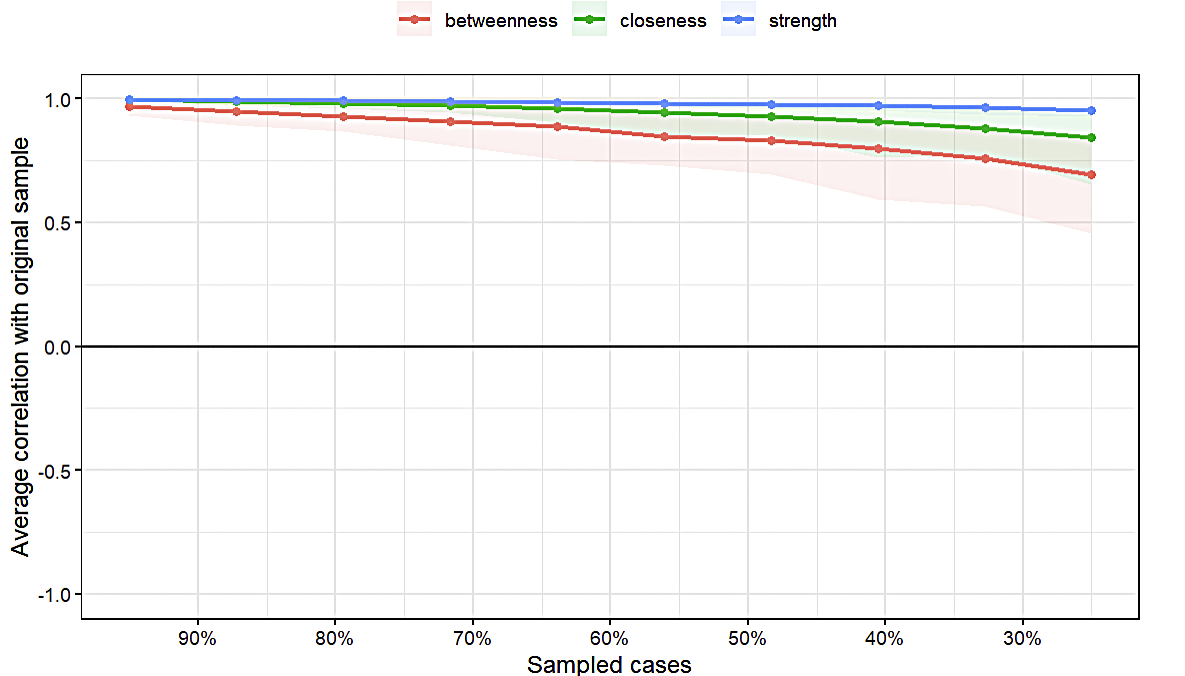
Figure 3 – Estimated network precision (n=3,594). Ribeirão Preto, SP, Brasil, 2026
Source: prepared by the authors, 2026.
DISCUSSION
This study analyzed the network structure corresponding to burnout symptoms among Brazilian nursing workers, expanding what is known about the symptomatic inter-relations inherent to this syndrome based on the theoretical precepts of the Burnout Assessment Tool.
The participants' individual characteristics reflect the professional profile of Nursing in the American continent, mostly comprised by young and female workers(13). This sociodemographic profile corroborates diverse meta-analysis evidence that indicated higher prevalence of burnout symptoms among female nursing workers (especially emotional exhaustion), given their high exposure to work-related and emotional demands and to accumulation of social roles(14).
As for the network analysis, the clear definition of the symptom clusters and the stronger connections among nodes from the same cluster were also aspects noticed in a network study that used the reduced version of the instrument (BAT-12) during the pandemic period, but with a different population(15). These results reinforce the theoretical model of BAT – General Version, consisting of 32 items divided into six factors that represent sets of primary and secondary burnout symptoms.
The connections between primary (exhaustion, mental distance, cognitive impairment and emotional impairment) and secondary (psychological distress and psychosomatic complaints) symptoms corroborate the BAT theoretical model, evidencing the interdependent dynamics inherent to burnout(5). Exhaustion compromises the energy required for emotional and cognitive regulation, favoring the emergence of mental distance as a self-protection strategy. Characterized by indifference, cynicism and unattachment, this distancing seeks to contain exhaustion, with work as a core element in triggering symptoms(16). However, this mechanism tends to become dysfunctional, as mental distance reduces engagement and intensifies stress, perpetuating the condition. Thus, it ceases to be a mere coping strategy and turns into part of the syndrome, associated with lost control over demands, emotions and cognition, which favors intensification of psychological distress and psychosomatic complaints(5,16).
These current theoretical premises about work-related mental illness postulated by the authors of BAT are grounded on the Job Demands-Resources Model (JD-R) assumptions(17). As the main cause of work-related illness, JD-R sets forth that burnout arises from a persistent imbalance between high work demands and insufficient resources to deal with those requirements(17,18). When personal and organizational resources do not suffice to cope with prolonged exposure to high work demands, a wear out process that can end up in exhaustion is triggered in workers(18). This cumulative process favors energy exhaustion and cognitive/emotional functional impairments, creating suitable conditions for burnout to develop(18).
Diverse scientific evidence points to the following as the main work-related demands strongly associated with worsening of burnout symptoms among nurses during the COVID-19 pandemic: extended hour loads and workdays (at least twelve hours)(19), insufficient personnel and material resources(20,21) and night shifts(22). When subjected to autonomy reductions and to extended work-related stress, these factors represent a favorable condition for chronic wear out(23).
During the post-pandemic period (corresponding to the data collection process for this study) the working conditions in Nursing remained signaled by overload, intensification of demands and mental health deterioration, with persistency in terms of insufficient resources, limited personnel and significant emotional demands(14,23). Diverse evidence indicates that the effects exerted by prolonged stress are cumulative, impacting on workers' physical and emotional health in the long term(22,23), especially given the combination between high physical/material demands(21) and critical experiences undergone during the pandemic, such as grief, fear and exhaustion(20).
In addition to that, the literature points out that cognitive impairment can persist as a manifestation of burnout even after the disease, involving memory-, attention- and speed-related harms, with diverse evidence of continuous neurocognitive deficits and slower recovery in relation to emotional symptoms(24,25).
In the light of the JD-R model, this scenario reinforces the cumulative nature of burnout as a result of the persistent imbalance between high demands and insufficient resources(17,18). The findings detected in this study evidenced that, at the symptomatic level, this imbalance is manifested by the centrality of psychological distress and cognitive decline symptoms, suggesting that states marked by tension and difficulty concentrating act as important mechanisms for the syndrome to persist. These results indicate the relevance of implementing interventions that, in addition to mitigating demands, strengthen emotional and cognitive resources(17,18).
In this context, the need is reinforced to not only consider the requirements but also the available resources in work environments as central elements in mitigating burnout. According to the JD-R model, resources comprise physical, psychological, social and organizational aspects inherent to the work context and are fundamental to preserve workers' physical and mental health, as they enable the following: (a) attaining work goals; (b) reducing the physiological and psychological costs derived from health complaints; and (c) stimulating professional growth and development(17,18). In addition, the flexibility and constant evolution of the JD-R model evidenced the importance of personal resources such as resilience, autonomy and optimism(18) in mitigating demands.
The following were identified as the main nodes comprising the network of burnout symptoms: DIS3 (‘I feel tense and stressed’) as the central node (in other words, the one with the highest strength index), followed by node COG4 (‘I have trouble concentrating’). The centrality strength of a given node indicates its importance in the network, revealing its role in the network's structure and functioning, as it represents the degree to which each node is connected with the others; thus, the higher the centrality strength, the more relevant the node in the network(8). It is for this reason that feeling tense and stressed and having trouble concentrating (as the main engines of the inter-related system of burnout symptoms among the nursing workers under study) should be recognized as core targets of research studies aimed at promoting health and self-care in these professionals.
The findings also lead to reflecting on node DIS4 (‘I feel anxious and/or suffer from panic attacks’) as the most relevant one in the closeness and betweenness analyses corresponding to the network of burnout symptoms among nursing workers. The closeness and betweenness indices signal the nodes with the highest influence on the others in the network, as they bear strong connections with the rest and exert a significant influence on the flow of network interactions. Thus, the results indicated that feeling anxious and suffering from panic attacks also represented a key symptom for the participants included in this study, signaling another essential target of actions aimed at individual well-being and at promoting healthy work environments.
Although the centrality of psychological distress and cognitive decline symptoms is in line with the JD-R model, this pattern can also express specificities inherent to Nursing work, characterized by high emotional and cognitive loads. In this context, the main contributions of this study lie in understanding the inter-relations in the network of burnout symptoms and in identifying core symptoms among Brazilian nursing workers. These findings support developing strategies more targeted at promoting health at work and offering theoretical and methodological steps forwards by indicating paths for future research studies to follow.
Considering that the sample was mostly comprised by participants from the Southeast region, the restriction regarding generalization of the results stands out among the study limitations. Such characteristic reinforces the need to conduct more research studies in less represented regions, enabling regional comparisons and expanding what is known about mental illness among nursing workers in Brazil.
Another limitation refers to the characteristic inherent to non-probability sampling and to digital collection. Although selection bias was partially reduced due to the COFEN directly sending the invitations, participation still depended on factors such as the professionals' Internet access, interest and engagement, which may have resulted in super-representation of certain groups. In turn, this type of sampling enables large-scale, low-cost and fast collection procedures, essential characteristics in emerging topics, especially considering that the data were collected during a period still marked by significant repercussions of the COVID-19 pandemic for nursing professionals.
In addition, the cross-sectional design precludes establishing causal relationships, even if the findings contribute to important reflections and guide future actions and surveys.
CONCLUSION
The data obtained in this study evidenced that, as assessed by means of the Burnout Assessment Tool – General Version, the burnout symptoms among Brazilian nursing workers confirmed the theoretical patterns that grounded the process to create the instrument. Although BAT is not to be used for diagnostic purposes, the results show its potential as a symptom screening tool for leaders, managers, public policy makers and researchers interested in workers' health promotion.
By identifying the central nodes and the outstanding connections in each cluster, the network analysis points to the possibility of implementing more specific interventions especially targeted at the main illness symptoms among workers. These findings support prioritizing intervention targets and formulating strategies that integrate reduction of demands and strengthening of personal and organizational resources targeted at promoting healthy work environments, namely: workload reviews, aiming at adequate sizing; balanced task division and re-work reductions, in order to mitigate stress and pressure while performing tasks; optimizing care flows and protocols; training leaders, strengthening a fair culture in health institutions; improving communication channels between managers and employees, with a focus on enhancing safe work environments and institutional support and on improving interpersonal relationships; and implementing professional recognition and performance feedback actions, among other professional appreciation strategies.
ACKNOWLEDGMENTS
The authors would like to thank the Brazilian Federal Nursing Council (Conselho Federal de Enfermagem, COFEN).
CONFLICT OF INTERESTS
The authors declare no conflict of interests.
FUNDING
The current paper was conducted with financial support from the National Council for Scientific and Technological Development (CNPq); Process Number 310705/2022-3, Brazil.
REFERENCES
1. Borsboom D, Deserno MK, Rhemtulla M, Epskamp S, Fried EI, McNally RJ, et al. Network analysis of multivariate data in psychological science. Nat Rev Methods Primers. 2021;1(1):58. https://doi.org/10.1038/s43586-021-00055-w
2. Samra R, França AB, Lucassen MFG, Waterhouse P. A network approach to understanding distance learners’ experience of stress and mental distress whilst studying. Int J Educ Technol High Educ. 2023;20(1):27. https://doi.org/10.1186/s41239-023-00397-3. PMID: 37214594.
3. Gijzen MWM, Rasing SPA, Creemers DHM, Smit F, Engels RCME, De Beurs D. Suicide ideation as a symptom of adolescent depression. a network analysis. J Affect Disord. 2021;278:68–77. https://doi.org/10.1016/j.jad.2020.09.029. PMID: 32956963.
4. Machado WL, Cunha RD, Vissoci JRN. Análise de rede de variáveis psicológicas: estimação, acurácia, estabilidade e preditabilidade. In: Faiad C, Baptista MN, Primi R, organizers. Tutoriais em análise de dados aplicados à psicometria. Petrópolis: Editora Vozes; 2021. p. 400–20.
5. Schaufeli WB, De Witte H, Desart S. Burnout Assessment Tool (BAT): test manual [Internet]. Leuven: KU Leuven; 2020 [cited 2025 Nov 27]. Available from: https://burnoutassessmenttool.be/wp-content/uploads/2020/08/Test-Manual-BAT-English-version-2.0-1.pdf
6. Schaufeli WB, Desart S, De Witte H. Burnout Assessment Tool (BAT): Development, Validity, and Reliability. Int J Environ Res Public Health. 2020;17(24):9495. https://doi.org/10.3390/ijerph17249495. PMID: 33352940.
7. Santin Júnior LJ, Martins BG, Campos JADB, Vazquez ACS, Marziale MHP, Mendes IAC, et al. Psychometric properties of the Burnout Assessment Tool - General version in nursing workers. Rev Lat Am Enfermagem. 2025;33:e4425. https://doi.org/10.1590/1518-8345.7367.4426. PMID: 39907387.
8. Epskamp S, Fried EI. A tutorial on regularized partial correlation networks. Psychol Methods. 2018;23(4):617–34. https://doi.org/10.1037/met0000167. PMID: 29595293.
9. Koller D, Friedman N. Probabilistic graphical models: principles and techniques. Cambridge: MIT Press; 2009.
10. Friedman J, Hastie T, Tibshirani R. Sparse inverse covariance estimation with the graphical lasso. Biostatistics. 2008;9(3):432–41. https://doi.org/10.1093/biostatistics/kxm045. PMID: 18079126.
11. Foygel R, Drton M. Extended Bayesian Information Criteria for Gaussian Graphical Models. In: Lafferty J, Williams C, Shawe-Taylor J, Zemel R, Culotta A, editors. Proceedings of 24th Annual Conference on Neural Information Processing Systems 2010 [Internet]; 6-9 Dec 2010; Vancouver, Canada. San Diego (CA): NeurIPS; 2010 [cited 2025 Apr 20]. Available from: https://arxiv.org/abs/1011.6640v1
12. Hansen D, Shneiderman B, Smith MA. Analyzing Social Media Networks with NodeXL: Insights from a Connected World by Derek Hansen, Ben Shneiderman, and Marc A. Smith. Int J Hum Comput Interact. 2011;27(4):405–8. https://doi.org/10.1080/10447318.2011.544971
13. Organização Pan-Americana da Saúde. Enfermagem na Região das Américas [Internet]. Washington: OPAS; 2025 [cited 2025 Dec 15]. Available from: https://iris.paho.org/items/c0defc15-9cc4-4c0a-887a-a075a0e4de0d
14. Galanis P, Vraka I, Fragkou D, Bilali A, Kaitelidou D. Nurses’ burnout and associated risk factors during the COVID-19 pandemic: A systematic review and meta-analysis. J Adv Nurs. 2021;77(8):3286–302. https://doi.org/10.1111/jan.14839. PMID: 33764561.
15. Macedo MJ de A, Freitas CPP de, Bermudez MB, Souza Vazquez AC, Salum GA, Dreher CB. The shared and dissociable aspects of burnout, depression, anxiety, and irritability in health professionals during COVID-19 pandemic: A latent and network analysis. J Psychiatr Res. 2023;166:40–8. https://doi.org/10.1016/j.jpsychires.2023.09.005. PMID: 37738779.
16. Desart S, De Witte H. Burnout 2.0 - A New Look at the Conceptualization of Burnout. In: Taris T, Peeters M, De Witte H, organizers. The Fun and Frustration of Modern Working Life Contributions from an occupational health psychology perspective Festschrift for Prof dr Wilmar Schaufeli. Kalmthout: Pelckmans Pro; 2019. p. 140–52.
17. Demerouti E, Bakker AB, Nachreiner F, Schaufeli WB. The job demands-resources model of burnout. J Appl Psychol. 2001;86(3):499–512. https://doi.org/10.1037/0021-9010.86.3.499. PMID: 11419809.
18. Bakker AB, Demerouti E, Sanz-Vergel A. Job Demands–Resources Theory: Ten Years Later. Annu Rev Organ Psychol Organ Behav. 2023;10:25–53. https://doi.org/10.1146/annurev-orgpsych-120920-053933
19. Dall’Ora C, Ejebu OZ, Ball J, Griffiths P. Shift work characteristics and burnout among nurses: cross-sectional survey. Occup Med (Chic Ill). 2023;73(4):199–204. https://doi.org/10.1093/occmed/kqad046. PMID: 37130349.
20. Buckley L, McGillis Hall L, Price S, Visekruna S, McTavish C. Nurse retention in peri- and post-COVID-19 work environments: a scoping review of factors, strategies and interventions. BMJ Open. 2025;15(3):e096333. https://doi.org/10.1136/bmjopen-2024-096333. PMID: 40037671.
21. Getie A, Ayenew T, Amlak BT, Gedfew M, Edmealem A, Kebede WM. Global prevalence and contributing factors of nurse burnout: an umbrella review of systematic review and meta-analysis. BMC Nurs. 2025; 24(1):596. https://doi.org/10.1186/s12912-025-03266-8. PMID: 40420259.
22. Wang S, Luo G, Ding X, Ma X, Yang F, Zhang M, et al. Factors associated with burnout among frontline nurses in the post-COVID-19 epidemic era: a multicenter cross-sectional study. BMC Public Health. 2024;24(1):688. https://doi.org/10.1186/s12889-024-18223-4. PMID: 38438971.
23. Vargas-Benítez MÁ, Izquierdo-Espín FJ, Castro-Martínez N, Gómez-Urquiza JL, Albendín-García L, Velando-Soriano A, et al. Burnout syndrome and work engagement in nursing staff: a systematic review and meta-analysis. Front Med (Lausanne). 2023; 10:1125133. https://doi.org/10.3389/fmed.2023.1125133. PMID: 37529242.
24. Gavelin HM, Domellöf ME, Åström E, Nelson A, Launder NH, Neely AS, et al. Cognitive function in clinical burnout: A systematic review and meta-analysis. Work Stress. 2022;36(1):86–104. https://doi.org/10.1080/02678373.2021.2002972
25. Glise K, Wiegner L, Jonsdottir IH. Long-term follow-up of residual symptoms in patients treated for stress-related exhaustion. BMC Psychol. 2020;8(1):26. https://doi.org/10.1186/s40359-020-0395-8. PMID: 32188513.
Submission: 09-Mar-2026
Approved: 16-May-2026
Editors:
Rosimere Ferreira Santana (ORCID: 0000-0002-4593-3715)
Geilsa Soraia Cavalcanti Valente (ORCID: 0000-0003-4488-4912)
Emerson Willian Santos de Almeida (ORCID: 0000-0002-6846-021X)
Corresponding author: Lacir José Santin Júnior (lacirsantin@usp.br)
Publisher:
Escola de Enfermagem Aurora de Afonso Costa – UFF
Rua Dr. Celestino, 74 – Centro, CEP: 24020-091 – Niterói, RJ, Brazil
Journal email: objn.cme@id.uff.br
|
AUTHORSHIP CONTRIBUTIONS |
|
Study design: Santin Júnior LJ, Rocha FLR. Data collection: Santin Júnior LJ, Ribeiro IKS, Oliveira ACGM, Borges MRV, Rocha FLR. Data analysis: Santin Júnior LJ, Rocha FLR. Data interpretation: Santin Júnior LJ, Ribeiro IKS, Oliveira ACGM, Borges MRV, Vazquez ACS, Rocha FLR. All authors are responsible for the textual writing and critical review of the intellectual content, the final version published, and all ethical, legal, and scientific aspects related to the accuracy and integrity of the study. |
