
REFLECTION ARTICLE
NAVIGATING MORAL DISTRESS: NURSE LEADERS' EXPERIENCES IN FACILITATING ETHICAL DECISION-MAKING
Latha S. Kannan1, Rawaa Kamel Abd2, Ajayan Kamalasanan3, Ola Ibrahim Ramzi4, Nafisa O. S. Abdalla5, Athirarani M. Rohini6
1Department of nursing, Mohammed Al-Mana College for Medical Science, Dammam, Saudi Arabia. ORCID: 0000-0002-1002-8459. E-mail: lathak@machs.edu.sa
2Department of Community Health Nursing, College of Nursing, University of Thi Qar, Al-Nasiriyah, Iraq. ORCID: 0000-0003-2083-7118. E-mail: rawaa9922@gmail.com
3Deanship of Quality and Academic Accreditation, Imam Abdulrahman Bin Faisal University, Dammam-31441, Saudi Arabia. ORCID: 0000-0003-2389-250X. E-mail: akvasudevan@iau.edu.sa
4Deanship of Quality and Academic Accreditation, Imam Abdulrahman Bin Faisal University, Dammam-31441, Saudi Arabia. ORCID: 0000-0002-7575-1242. E-mail: oiramzi@iau.edu.sa
5Nursing Department, Almoosa College of Health Science, Saudi Arabia. ORCID: 0009-0000-0731-465X. E-mail: n.omar@almoosacollege.edu.sa
6Government college of Nursing, Medical College Thiruvananthapuram, Kerala, India. ORCID: 0000-0001-7489-0761. E-mail: athiraaparna@gmail.com
ABSTRACT
Objective: This study examines the relationship between moral distress and nurse leadership by identifying nurse leaders’ challenges in making ethical decisions. By employing empirically rooted theoretical frameworks and the available literature, this research explores how nurse leaders, positioned between frontline staff and organizational administration, experience moral distress and how this distress affects their ethical decision-making processes. Methods: This paper presents a conceptual model that outlines leadership responsibility for the moral resilience of nursing practices. Consideration is given to individuals' moral distress, staff support in ethical dilemmas, the creation of an ethical practice environment, and the development of leadership for a morally resilient domain. Results: Emphasize ethical concerns in leadership roles, structured ethical discourse, moral agency support, and resilience-building approaches to strengthen ethical decision-making in health care settings. Conclusion: Nursing leadership moral distress exceeds individual patient care moral dilemmas, including system-level ethical concerns affecting nurses and institutional policy. A multifaceted approach that includes strong ethical conversation, support for moral agency, and resilience practices is essential to reduce distress and promote ethical decision-making.
Keywords: Ethical Dilemmas; Leadership; Nurses; Decision Making; Bioethics.
|
How to cite: Kannan LS, Abd RK, Kamalasanan A, Ramzi OI, Abdalla NOS, Rohini AM. Navigating moral distress: nurse leaders' experiences in facilitating ethical decision-making. Online Braz J Nurs. 2025;24(Suppl 2):e20256912. https://doi.org/10.17665/1676-4285.20256912 |
INTRODUCTION
Encountering moral challenges in everyday nursing practices affects how health care professionals perceive themselves and uphold their personal or moral integrity. Researchers convey individual experiences with moral challenges in various constructive and insightful ways(1-2). Moral and ethical issues in the health care arena are often complex, resource constrained, and have competing priorities(3). Since nurses are at the forefront of health care services, they often encounter moral and ethical dilemmas that they struggle to resolve. This occurs recurrently in these environments because nurses often recognize the ethically correct course of action, they can take but are unable to do so, which is a form of 'moral distress'(4). Nursing staff on the frontline often experience moral distress; however, to the best of our knowledge, little literature has been published on how nurse leaders in positions of formal authority and responsibility navigate and manage themselves through moral distress when encountering ethical issues. Nurse leaders in the 'bearing position' role are intermediaries between institutional policies and front-line clinical staff(5). In this intermediary position, leaders are caught in an ethical tension between patients, staff, and the organization(6). Storch et al.(7) state that nurse leaders are held accountable for upholding professional values in the context of comparisons during organizational mergers, which can be a potential source of high moral conflict. This has significant implications for the nurse leader's ability to navigate these moral challenges effectively.
Moral distress can influence nurse leaders significantly, affecting their health, decision-making, and leadership performance. Burnout and emotional exhaustion can potentially impact their health, where persistent moral distress can lead to burnout, reducing job satisfaction and increasing turnover rates among nurse leaders(8). In addition, nurse leaders experiencing moral distress may struggle to uphold ethical standards because of systemic constraints, leading to ethical dilemmas and decreased confidence in decision-making(9). Furthermore, it can significantly contribute to feelings of distrust toward institutional policies and leadership structures, making it more difficult for nurse leaders to advocate for ethical improvements(10). Studies also suggest that moral distress can negatively impact perceived organizational justice and clinical competence, affecting nurse leaders' ability to support their teams effectively(11-13). Moreover, prolonged moral distress may drive nurse leaders to leave their roles or the profession altogether, exacerbating staffing challenges in health care settings(3,9). This situation has profound implications for health care institutions and systems. It can lead to staff burnout, decreased job satisfaction, and increased turnover, which disrupts the continuity of care and places additional strain on health care resources(14). Institutions experiencing widespread moral distress may face diminished trust in leadership, making it more difficult to implement ethical policies and maintain a positive organizational culture(15). Over time, the situation can deteriorate ethical decision-making frameworks, compromise patient care, and reduce staff morale.
Research has demonstrated that nurse leaders face ethically difficult choices in patient care and when dealing with other nurses. Ethical problems in patient care also involve autonomy, benevolence, and fairness, and leaders must balance patients' rights, resource allocation, and clinical judgments(16). Moreover, ethical dilemmas in relationships with nurses include moral distress, professional integrity, and workplace ethics, where leaders must navigate conflicts, support staff well-being, and uphold ethical leadership principles(17). Research also indicates that unaddressed moral distress can lead to burnout, diminish its effects, and contribute to nurse turnover(18). Nurse leaders are uniquely positioned to recognize, respond to, and overcome moral distress, thereby changing the climate of the practice environment and the organizational culture within the context of the health care system. Hence, this paper aims to discuss the theoretical dimensions of emotionally engaged nurse leaders and conceptual approaches to assist in morally complex decisions in nursing leadership. A framework is presented to understand a specific ethical landscape that challenges nurse leaders and to offer concepts for strengthening their ethical dilemmas and moral distress by drawing disparate threads from the literature on moral distress, ethical leadership, and moral resilience.
THEORETICAL BACKGROUND
Moral Distress: Evolution of the Concept
The idea of moral distress has been extensively developed since it was first defined by Jameton(4). Later, this understanding was broadened on the basis of the initial conceptualization of the painful physical and psychological disequilibrium nurses experience when they cannot act on congruent moral agency. On the basis of moral concepts of moral sensitivity, moral autonomy, and the avoidance of discomfort due to morality, Corley(19) developed a moral distress model, which ultimately emphasizes the time cost of moral distress, as highlighted by Wilkinson(20). According to this, Epstein and Hamric(18) suggested that there is a "crescendo effect" (moral residue does not accumulate alone but adds up over time until you will be compelled to react in a morally distressed way to similar situations). Moral distress, however, is not the isolated incident it has been traditionally viewed and represented as being and should not be seen as a possibly cumulative experience that could erode moral agency over time. This work extends the theoretical development of moral distress more broadly, but it often focuses on the frontline clinician. Finally, although less attention has been given to moral distress in situations that are both constrained and responsible, such as leadership contexts, relative to direct care roles, attention to this issue is still warranted.
Chart 1 - Comparing Moral Distress in the Roles of Direct Care and Leadership
|
Dimension |
Direct care moral distress |
Leadership Moral Distress |
|
Primary Source |
Inability to implement known ethical action in patient care |
Responsibility for systems that constrain ethical practice; implementation of policies that conflict with values |
|
Scope of Impact |
Typically affects specific patients |
It often affects multiple staff members and patients across units |
|
Temporal Dimension |
Often acute, situation-specific |
Both acute and chronic include long-term organizational ethical concerns. |
|
Agency Constraints |
External constraints on personal action |
Constraints on personal action plus responsibility for others constrained agency |
|
Responsibility Dimension |
Responsibility for direct patient outcomes |
Dual responsibility; direct outcomes and enabling/constraining staff moral agency |
|
Visibility |
Moral distress is often visible in moments of care |
It may require maintaining professional composure despite distress |
|
Resolution Pathway |
Often focused on specific clinical situations |
Requires both immediate response and systemic approach |
|
Ethical Frameworks |
Clinical ethics frameworks predominate |
Requires integration of clinical, organizational, and leadership ethics |
The Distinct Ethical Landscape of Nurse Leadership
In light of these findings, several theoretical approaches are presented to help explain the actions that nurse leaders take in fulfilling their ethical role. In their initial work on moral distress in resource allocation, Mitton et al.(6) reported that a leader becomes distressed when organizational constraints prevent the optimal distribution of resources. Another form of moral distress experienced by frontline staff is that moral distress is a product of decisions made at the system level that affect multiple patients and staff members. The inability to overcome fear while standing up for the core values is the basis of Edmonson's(5) moral courage in nurse leadership. However, leaders face unique ethical challenges, which require them to overcome fear and stand up for their core values. This research combines theoretical perspectives with leadership positions to highlight the moral agency expected in clinical situations, organizational policy, and cultural settings within the role of a leader.
The notion of "dual loyalty conflict" in public health ethics, as developed by Pont et al.(21), is also helpful, as it refers to situations where professionals are compelled by the conflicting obligations of various individuals (patients, staff) versus different institutions. These conflicts present themselves to nurse leaders as they work to balance organizational demands and professional nursing values. The theoretical combination of these perspectives suggests that nurse leaders are actually in a position where moral distress is inherently a qualitatively different kind of moral agony.
Chart 2 - Strategies for Creating Ethical Practice
|
Strategy |
Description |
Implementation Approach |
Potential Benefits |
|
Structured Ethical Discourse |
Creating formal spaces and processes for discussing ethical challenges |
Regular ethics rounds post event ethical debrief Ethics committees with staff representation |
Normalizes ethical discourse Distributes moral burden Develops collective ethical reasoning |
|
Ethical language development |
Providing conceptual frameworks and vocabulary for articulating ethical concerns |
Ethics education sessions Ethics consultation services Ethics reference materials |
Moves from vague distress to specific analysis Enables more precise communication Facilitates structured problem-solving |
|
Moral agency support |
Enhancing staff capacity to act as moral agents despite constraints |
Involvement in policy development Clear escalation pathways for ethical concerns Recognition of moral courage |
Reduces helplessness Prevents moral residue accumulation Strengthens ethical climate |
|
Ethical mentorship |
Modeling ethical reasoning and providing developmental guidance |
Shadow programs with an ethics focus Narrating ethical reasoning processes Ethics-focused coaching |
Develops ethical reasoning skills Creates pipelines of ethical leaders Demonstrates ethical prioritization |
|
Just culture cultivation |
Creating environments where systemic factors in ethical challenges are recognized |
nonpunitive reporting systems System analysis of ethical failures Appropriate accountability frameworks |
Reduces inappropriate blame Enables system improvement Encourages transparency about ethical concerns |
Ethical Decision-Making Frameworks in Nursing Leadership
As in all professions, frameworks for ethical decision-making in nursing have been proposed, primarily focusing on clinical ethics rather than leadership ethics. A step-by-step approach to ethical reasoning is the Thompson and Thompson(22) bioethical decision model, whereas a structured approach to analyzing clinical ethical dilemmas is Jonsen et al.(23) four-box method. Leadership can be guided by a specific ethical leadership framework, such as that proposed by Shapiro and Stefkovich(24), or a multitude of ethical paradigm approaches that prompt leaders to consider dilemmas within the dimensions of justice, care, critique, and profession. Like Brown et al.(25), their ethical leadership theory focuses on the normative appropriateness of leader conduct and the inclination of followers to adopt such conduct. However, there is very little research in the literature on how these ethical frameworks specifically manifest in moral distress for nurse leaders as they strive to alleviate moral distress in their teams by guiding ethical decision-making. Such an absence of a practical gap also hampers our understanding of effective means to support nurse leaders with their ethical stewardship function.
Moral Resilience: A Developing Theoretical Construct
In this context, moral resilience has become a crucial theoretical concept for navigating and overcoming moral distress. Rushton(26) introduces moral resilience as a distinct and more conceptual concept than related ideas, such as moral courage and moral distress, as the capacity to act positively against those distressed and oppressors in the face of an ethically complex problem. Theoretical framing shifts the focus away from merely decreasing moral distress to expanding capacities that support people in addressing inevitable ethical issues. This theory can serve as a constructive framework for establishing a new environment for nurse leaders, where beliefs in nursing and the challenge of moral agency can be cultivated and sustained concurrently, even in the face of conflicting interests and expectations. However, to date, there has been minimal theoretical work on leadership for moral resilience.
Chart 3 - Practices for Developing Moral Resilience in Nursing Leadership
|
Practice Category |
Specific Practices |
Theoretical Foundation |
Development Approach |
|
Reflective practices |
Ethical journaling Structured ethical case analysis Values clarification exercises |
Reflective practice theory Narrative ethics Virtue ethics |
Regularly scheduled reflection Facilitated group reflection Integration into leadership routines |
|
Relational practices |
Peer support networks Ethics coaching relationships Community of practice participation |
Social support theory Communities of practice Relational ethics |
Formal peer matching programs Cross-organizational networks Regular connection rituals |
|
Self-Stewardship practices |
Ethical self-assessment Work-life boundaries Renewal rituals |
Self-care theory Positive psychology Moral identity theory |
Self-stewardship planning Regular assessment Organizational support for boundaries |
|
Meaning-making practices |
Purpose reconnection Ethics-focused storytelling Benefit-finding in challenges |
Logotherapy Narrative identity theory Posttraumatic growth theory |
Values reconnection exercises Structured narrative practices Reframing methodologies |
|
Competency-building practices |
Ethics education Ethical advocacy skill development Ethical leadership training |
Adult learning theory Ethical skill development Leadership development theory |
Formal ethics education Simulation training Mentored practice |
Nurse Leadership in Moral Distress and Ethical Facilitation: A Theoretical Framework
Moving forward, on the basis of the theoretical foundations outlined above, we propose a conceptual framework delineating the ethical boundaries within which nurse leaders operate. Figure 1 illustrates the framework, which suggests that four interconnected domains influence nurse leaders' experiences when they are faced with ethical decision-making while managing their moral distress. The bidirectional arrows also indicate the dynamic interrelationships between these domains, suggesting that each domain influences and is influenced by the others.
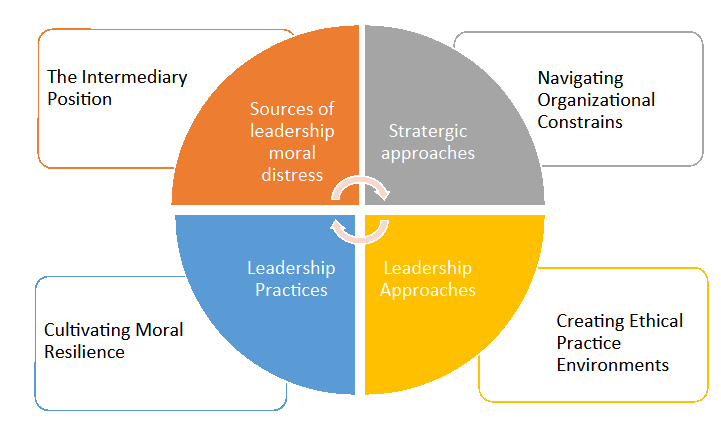
Figure 1 - Conceptual Framework of Nurse Leadership in Moral Distress and Ethical Facilitation
Intermediary Position: Distinctive Sources of Leadership Moral Distress
The first domain considered by the framework is how nurse leaders’ unique positions generate specific moral distress factors. These include:
Frontline staff members experience moral distress about policies, yet leaders must execute them because they cannot change them(15).
Nurse leaders are confronted with an ethical tension between their professional duties of attending to staff well-being and organizational objectives, including health care quality(17).
Leaders also experience moral distress for themselves and for those they lead, as they must cope with their ethical distress(15).
Accordingly, leaders are responsible for resource allocation, which entails the distribution of limited resources (staffing, equipment, and time) that directly impact patient welfare and staff health outcomes(27).
Decision-making leaders constantly face ethical dilemmas when they fulfill immediate ethical duties and develop holistic solutions to avoid similar issues in the future(28).
Leadership moral distress is a unique type of distress that differs from other moral hardships faced by nurses, who are direct caregivers(29).
Creating Ethical Practice Environments: Leadership Approaches
The second domain focuses on the approaches of the framework related to how nurse leaders facilitate ethical practice in health care environments. Learning to be the ordinary part of the work environment and moral processing space can be facilitated by leaders through the initiation of formal mechanisms, such as ethics rounds and debriefing sessions. Teaching and developing the ethical decision-making skills of nursing students can help improve professional integrity and quality patient care. Ethical competence allows future nurses to manage complex moral dilemmas, uphold patients' rights, and maintain trust in health care systems. This leads to improved patient outcomes, increases ethical confidence, and promotes a culture of integrity(30). Conceptual frameworks and vocabulary can be introduced to initiate the development of ethical language among staff, facilitating a transition from distress to the analysis of ethical issues. However, within these constraints, leaders can sponsor policies that enhance staff moral action, such as those related to policy development and ethics committees. Leadership fills a void in the ethical reasoning process, modeling, and moral problem solving by creating an ethical mentorship for nursing staff(31). The cultivation of environments of just culture enables leaders to create environments where we recognize factors of systemic challenges, rather than just ethical ones, and therefore reduce the inappropriate focus on individual blame and shift the focus to accountability. Nevertheless, these strategies are available to the nurse leader, which can mitigate moral distress for the nurse leader and those they lead.
Navigating Organizational Constraints: Strategic Approaches
The third domain focuses on specific strategic approaches that nurse leaders have adopted to address ethical issues within organizational constraints. When ethical concerns are translated into organizational priorities, nurse leaders can work on translating the concern into a language that stakeholders understand more readily. Organizational development and support for nurse leaders are essential for maintaining effective leadership and ensuring high-quality patient care. Health care institutions can implement structured leadership development programs to enhance leadership skills and self-awareness(32). Furthermore, with respect to reliability, leaders in the unit can establish brokerage relationships across disciplines, departments, and other areas to facilitate connections for individuals who may be bystanders to ethics issues beyond their direct purview. The scope of impact, the potential for harm, and the likelihood of success of possible interventions can be assessed by strategic leadership, which should also consider the ethical issues that leadership must champion(33). In the absence of a policy or without an official policy, leaders can serve as positive deviants, working around moral issues when the official policy impedes ethical behavior(34). Formal organizational ethics resources, such as ethics committees and compliance offices, can be leveraged by leaders to address organizational problems that fall outside their direct control. These strategic approaches provide the final suggestions for nurse leaders to exercise moral agency within organizational constraints.
Cultivating Moral Resilience: Leadership Practices
Finally, the fourth domain discusses the practices that lead to the development of moral resilience among nurse leaders and staff. Constant participation in the reflective appraisal of the ethical aspects of practice can serve as a form of reflective practice intended to incorporate moral residue and thereby enhance the moral reasoning of leaders(35). Validation, perspective, and shared wisdom can be found in connections with other leaders facing similar moral distress within the peer support network. These would be intentional practices of self-stewardship aimed at building capabilities to handle ethical challenges, which can ease the burden of moral challenges and bolster collective resilience, moral community development, and support for ethical purposes in teams. Continuous professional development in ethical leadership helps nurse leaders navigate complex moral dilemmas and foster a culture of integrity in health care. Organizations can support this by implementing structured leadership training, mentorship programs, and ethics-focused education to enhance decision-making skills and resilience(36). However, ethical challenges can be viewed as promoting moral development rather than as an upsetting event that fosters posttraumatic growth and moral resilience(37). Thus, these approaches can help develop the moral integrity that health care leadership requires in the face of inevitable ethical challenges that will undoubtedly arise.
Theoretical Propositions and Implications
As part of these objectives, we present several theoretical propositions that can inform future research and practice grounded in our conceptual framework.
Proposition 1: The qualitative differences in moral distress between nurse leaders and frontline clinicians are system responsible (SR), system concerned (SC), and vicarious distress (VD).
Proposition 2: Therefore, leaders’ moral resilience affects their ability to manage ethical decision-making in an organizational way, which suggests that leaders' moral resilience may have a spillover effect between organizations.
Proposition 3: Structured spaces of ethical discourse alleviate moral distress by being both preventative and remedial to ethical struggles, normalizing them and fostering collective wisdom for addressing constraints.
Proposition 4: Strategic communication that 'translates' ethical concerns across stakeholder groups effectively builds leaders' capacity to communicate effectively despite organizational constraints.
Proposition 5: Moral resilience in leadership contexts is developed through intentional practices, such as reflective rituals, peer support, and reframing ethical challenges as opportunities for growth.
These propositions have several implications for nursing leadership development and organizational support. The implications are as follows:
Implications for Leadership Development
Traditional nursing leadership education fails to instruct nursing personnel on ethical leadership principles. The framework shows three essential components that constitute leadership development:
Nursing programs should teach future leaders about unique ethical situations they will face because leadership positions lead to professional ethical distress.
The development of skills in creating ethical practice environments (facilitation of ethical discourse, development of ethical language, etc.)
Organizations should train leaders with ethical advocacy methods to address corporate limitations.
Health care organizations should design deliberate development programs to build moral resilience systems that benefit their leadership arenas.
Implications for Organizational Support
Health care organizations seeking to provide support for nurse leaders in their ethical stewardship function should take the following actions:
Initiative builds networks among leaders who need peer assistance in handling moral dilemmas.
The system serves two functions: first, helping leaders with their particular ethical challenges and, second, delivering leadership-specific ethical dilemmas.
The metrics system should recognize good ethical leadership at the same level as operational performance achievements.
The challenge demands that leaders obtain well-defined channels to raise the systemic ethical problems that they discover.
Implications for Future Research
The conceptual framework provides the basis for several possible empirical investigations.
This paper examines the legitimacy of the proposed specific factors leading to leadership moral distress.
This research evaluates particular methods for developing ethical practice settings.
Assessment of the effectiveness of various strategies for navigating organizational constraints
This section examines practices that foster leaders' moral resilience in challenging situations.
The research explores whether a leader’s moral resilience affects staff members when they interact with each other.
CONCLUSION
Nurse leaders in health care organizations play the role of ethical stewards who navigate moral dilemmas while leading others. This conceptual paper ultimately proposes a theoretical framework that offers insight into the moral landscape of nurse leaders as they navigate challenges and suggests ways to enhance their capacity as moral agents. Specialized support for nurse leaders can develop when their unique role is acknowledged within health care organizations. Together with their implications for future empirical research to explore how nurse leaders can cultivate moral resilience and foster ethical health care environments in the face of inevitable constraints and challenges, the theoretical framework presented can be effectively utilized. With increasingly complex health care settings, nurse leaders play a pivotal role in reducing moral distress and facilitating ethical practices. Understanding their ethical context and developing practical solutions is key to strengthening nurse leaders as ethical agents and facilitators.
CONFLICT OF INTERESTS
The authors have declared that there is no conflict of interests.
REFERENCES
1. Karlsson M, Karlsson C, Barbosa da Silva A, Berggren I, Söderlund M. Community nurses’ experiences of ethical problems in end-of-life care in the patient’s own home. Scand J Caring Sci. 2013;27(4):831-838. https://doi.org/10.1111/j.1471-6712.2012.01087.x
2. DeKeyser Ganz F, Berkovitz K. Surgical nurses’ perceptions of ethical dilemmas, moral distress and quality of care. J Adv Nurs. 2012;68(7):1516-1525. https://doi.org/10.1111/j.1365-2648.2011.05897.x
3. Epstein EG, Delgado S. Understanding and Addressing Moral Distress. Online J Issues Nurs. 2010;15(3). https://doi.org/10.3912/OJIN.Vol15No03Man01
4. Jameton A. Nursing practice: the ethical issues. Englewood Cliffs: Prentice-Hall; 1984.
5. Edmonson C. Moral Courage and the Nurse Leader. Online J Issues Nurs. 2010;15(3). https://doi.org/10.3912/OJIN.Vol15No03Man05
6. Mitton C, Peacock S, Storch J, Smith N, Cornelissen E. Moral Distress among Healthcare Managers: Conditions, Consequences and Potential Responses. Healthcare policy (Online). 2010;6(2):99-112. https://doi.org/10.12927/hcpol.2010.22036
7. Storch J, Makaroff KS, Pauly B, Newton L. Take me to my leader: the importance of ethical leadership among formal nurse leaders. Nurs Ethics. 2013;20(2):150-157. https://doi.org/10.1177/0969733012474291
8. Li H, Guo J, Ren Z, Bai D, Yang J, Wang W, et al. Moral courage level of nurses: a systematic review and meta-analysis. BMC Nurs. 2024;23:530. https://doi.org/10.1186/s12912-024-02082-w
9. Miller PH, Epstein EG, Smith TB, Welch TD, Smith M, Bail JR. Moral distress among nurse leaders: A qualitative systematic review. Nurs Ethics. 2023;30(7-8):939-959. https://doi.org/10.1177/09697330231191279
10. Miller PH. Moral distress among nurse leaders: A conceptual framework. Nurs Ethics. 2025;32(7):2163-2174. https://doi.org/10.1177/09697330251339420
11. Kalani Z, Barkhordari-Sharifabad M, Chehelmard N. Correlation between moral distress and clinical competence in COVID-19 ICU nurses. BMC Nurs. 2023;22(1):107. https://doi.org/10.1186/s12912-023-01277-x
12. Meng J, Guo X. The relationship between ethical leadership, moral sensitivity, and moral courage among head nurses. BMC Nurs. 2025;24(1):538. https://doi.org/10.1186/s12912-025-03170-1
13. Haghighinezhad G, Atashzadeh-Shoorideh F, Ashktorab T, Mohtashami J, Barkhordari-Sharifabad M. Relationship between perceived organizational justice and moral distress in intensive care unit nurses. Nurs Ethics. 2019;26(2):460-470. https://doi.org/10.1177/0969733017712082
14. Orgambídez A, Borrego Y, Alcalde FJ, Durán A. Moral Distress and Emotional Exhaustion in Healthcare Professionals: A Systematic Review and Meta-Analysis. Healthcare (Basel). 2025;13(4):393. https://doi.org/10.3390/healthcare13040393
15. Buchbinder M, Browne A, Berlinger N, Jenkins T, Buchbinder L. Moral Stress and Moral Distress: Confronting Challenges in Healthcare Systems under Pressure. Am J Bioeth. 2024;24(12):8-22. https://doi.org/10.1080/15265161.2023.2224270
16. Cheraghi R, Valizadeh L, Zamanzadeh V, Hassankhani H, Jafarzadeh A. Clarification of ethical principle of the beneficence in nursing care: an integrative review. BMC Nurs. 2023;22(1):89. https://doi.org/10.1186/s12912-023-01246-4
17. Storaker A, Heggestad AKT, Sæteren B. Ethical challenges and lack of ethical language in nurse leadership. Nurs Ethics. 2022;29(6):1372-1385. https://doi.org/10.1177/09697330211022415
18. Epstein EG, Hamric AB. Moral distress, moral residue, and the crescendo effect. J Clin Ethics. 2009;20(4):330-342. https://doi.org/10.1086/JCE200920406
19. Corley MC. Nurse moral distress: a proposed theory and research agenda. Nurs Ethics. 2002;9(6):636-650. https://doi.org/10.1191/0969733002ne557oa
20. Wilkinson JM. Moral distress in nursing practice: experience and effect. Nurs Forum. 1987;23(1):16-29. https://doi.org/10.1111/j.1744-6198.1987.tb00794.x
21. Pont J, Stöver H, Wolff H. Dual loyalty in prison health care. Am J Public Health. 2012;102(3):475-480. https://doi.org/10.2105/ajph.2011.300374
22. Thompson JE, Thompson HO. Bioethical decision making for nurses. Norwalk (CT): Appleton-Century-Crofts; 1985.
23. Jonsen AR, Siegler M, Winslade WJ. Clinical ethics: A practical approach to ethical decisions in clinical medicine. 7th ed. New York: McGraw-Hill; 2010.
24. Shapiro JP, Stefkovich JA. Ethical leadership and decision making in education: Applying theoretical perspectives to complex dilemmas. New York: Routledge; 2016.
25. Brown ME, Treviño LK, Harrison DA. Ethical leadership: A social learning perspective for construct development and testing. Organizational Behavior and Human Decision Processes. 2005;97(2):117-134. https://doi.org/10.1016/j.obhdp.2005.03.002
26. Rushton CH. Moral resilience: A capacity for navigating moral distress in critical care. AACN Adv Crit Care. 2016;27(1):111-119. https://doi.org/10.4037/aacnacc2016275
27. Scott PA, Harvey C, Felzmann H, Suhonen R, Habermann M, Halvorsen K, et al. Resource allocation and rationing in nursing care: A discussion paper. Nurs Ethics. 2019;26(5):1528-1539. https://doi.org/10.1177/0969733018759831
28. Haahr A, Norlyk A, Martinsen B, Dreyer P. Nurses experiences of ethical dilemmas: A review. Nurs Ethics. 2020;27(1):258-272. https://doi.org/10.1177/0969733019832941
29. Maunder RG, Heeney ND, Greenberg RA, Jeffs LP, Wiesenfeld LA, Johnstone J, et al. The relationship between moral distress, burnout, and considering leaving a hospital job during the COVID-19 pandemic: a longitudinal survey. BMC Nurs. 2023;22(1):243. https://doi.org/10.1186/s12912-023-01407-5
30. Andersson H, Svensson A, Frank C, Rantala A, Holmberg M, Bremer A. Ethics education to support ethical competence learning in healthcare: an integrative systematic review. BMC Med Ethics. 2022;23(1):29. https://doi.org/10.1186/s12910-022-00766-z
31. Stucky CH, Wymer JA. Ethical Reasoning as a Core Nurse Leader Competency: Maximizing Strategic Decision-Making and Operational Outcomes. Nurse Lead. 2024;22(2):187-193. https://doi.org/10.1016/j.mnl.2023.09.009
32. Emam SM, Fakhry SF, Abdrabou HM. Leaders development program by 360 degree feedback: reflection on head nurses’ leadership practices. BMC Nurs. 2024;23(1):772. https://doi.org/10.1186/s12912-024-02395-w
33. Boeske J. Leadership towards Sustainability: A Review of Sustainable, Sustainability, and Environmental Leadership. Sustainability. 2023;15(16):12626. https://doi.org/10.3390/su151612626
34. Lindberg C, Schneider M. Combating infections at Maine Medical Center: Insights into complexity-informed leadership from positive deviance. Leadership. 2013;9(2):229-253. https://doi.org/10.1177/1742715012468784
35. Hargreaves J. Using patients: exploring the ethical dimension of reflective practice in nurse education. J Adv Nurs. 1997;25(2):223-228. https://doi.org/10.1046/j.1365-2648.1997.1997025223.x
36. Crawford A, Eldardiri D, Leibecke A, Sloan R. Professional growth and development for nurse leaders [Internet]. Silver Spring (MD): American Nurses Association; 2019 Aug 13 [cited 2019 Jun 6]. Available from: https://www.myamericannurse.com/professional-growth-and-development-for-nurse-leaders/
37. Dell’Osso L, Lorenzi P, Nardi B, Carmassi C, Carpita B. Post Traumatic Growth (PTG) in the Frame of Traumatic Experiences. Clin Neuropsychiatry. 2022;19(6):390-393. https://doi.org/10.36131/cnfioritieditore20220606
Submission: 21-May-2025
Approved: 10-Jun-2025
Editors:
Rosimere Ferreira Santana (ORCID: 0000-0002-4593-3715)
Geilsa Soraia Cavalcanti Valente (ORCID: 0000-0003-4488-4912)
Ramon Oliveira (ORCID: 0000-0001-9668-7051)
Corresponding author: Rawaa Kamel Abd (rawaa9922@gmail.com)
Publisher:
Escola de Enfermagem Aurora de Afonso Costa – UFF
Rua Dr. Celestino, 74 – Centro, CEP: 24020-091 – Niterói, RJ, Brazil
Journal email: objn.cme@id.uff.br
|
AUTHORSHIP CONTRIBUTIONS |
|
Study conception: Latha SK, Ajayan K, Athirarani MR. Data acquisition: Rawaa KA, Ola IR, Nafisa OSA. Data analysis: Latha SK, Ajayan K, Athirarani MR Data interpretation: Rawaa KA, Ola IR, Nafisa OSA. All authors are responsible for drafting the manuscript, critically revising its intellectual content for the final published version, and ensuring the study’s accuracy and integrity with regard to ethical, legal, and scientific aspects. |
