
REFLECTION ARTICLE
BEYOND TECHNIQUE: HUMANIZING PEDIATRIC ONCOLOGY BY INTEGRATING PLAY, SCIENCE AND EDUCATION IN HOSPITAL CARE
María Díaz-Cortés1, Sofía Castro-Trigo2, Augusto Ferreira-Umpiérrez3
1 Universidad Loyola Andalucía, Spain. ORCID: 0000-0002-1470-9905. E-mail: mdiazcortes@al.uloyola.es
2 Universidad San Pablo – CEU, Spain; Universidad Católica del Uruguay, Uruguay. ORCID: 0009-0007-3660-2950. E-mail: sofia.castrotrigo@usp.ceu.es; sofia.castro@ucu.edu.uy
3 Universidad Católica del Uruguay, Uruguay. ORCID: 0000-0002-2088-382X. E-mail: auferrei@ucu.edu.uy
ABSTRACT
Objective: To examine Pediatric Oncology humanization by integrating play, science and education as essential holistic care components, acknowledging that the hospitalization of children with cancer poses complex challenges extending beyond medical treatment and profoundly affecting their emotional, social and cognitive development. Method: A theoretical and conceptual analysis based on innovative programs and evidence-based practices, including Child Life, CAREBOX, hospital-based educational methodologies, NixiKit virtual reality and PanCareFollowUp, to explore how playful, educational and technological resources can enhance the hospital experience. Results: The findings suggest that these interventions reduce anxiety and pain, improve treatment adherence, support educational continuity and cognitive development, and strengthen family resilience. Nevertheless, structural barriers such as limited resources, lack of standardized protocols and difficulties in interdisciplinary coordination restrict their widespread adoption. Conclusion: Advancing humanization in Pediatric Oncology requires practical strategies, including interdisciplinary training, implementation of standardized intervention protocols, integration of digital and therapeutic tools and use of patient-reported experience measures. These approaches may foster more humane, equitable and sustainable Pediatric Oncology care.
Descriptors: Humanization of Assistance; Pediatric Nursing; Medical Oncology; Pediatrics; Diffusion of Innovation.
|
How to cite: Díaz-Cortés M, Castro-Trigo S, Ferreira-Umpiérrez A. Beyond technique: humanizing pediatric oncology by integrating play, science and education in hospital care. Online Braz J Nurs. 2025;24(Suppl 2):e20256907. https://doi.org/10.17665/1676-4285.20256907 |
What is already known:
Hospitalization can deeply impact emotional, social and cognitive development in children with cancer.
Play and education are recognized as key components of Pediatric Nursing and child-centered care.
Despite growing awareness, the integration of humanization practices in Oncology remains inconsistent and poorly systematized.
What this article adds:
It introduces an integrative Child-Centered Care ramework, combining medical, emotional, social and educational dimensions through the interconnected roles of play, family, communication and cognitive training.
It proposes practical strategies for implementing this model in Pediatric Oncology, including interdisciplinary training, standardized humanization protocols and digital therapeutic tools.
It offers a theoretical basis for sustainable, equitable and participatory care models in Pediatric Oncology Nursing.
INTRODUCTION
The hospitalization of a child with cancer constitutes a challenge that transcends the clinical dimension. Beyond undergoing a complex medical process, pediatric patients also face experiences that may deeply impact their emotional and social development, including isolation, fear, disruption of schooling and separation from meaningful relationships. Consider the case of a patient, an eight-year-old girl who spends weeks away from her family, friends and school environment. Although surrounded by advanced medical technology, her everyday reality is devoid of the emotional warmth and support she needs. While technical precision saves lives, absence of humanized care may erode the emotional resilience of pediatric patients and their families(1).
In light of this situation, a vital question arises: How can healthcare ensure comprehensive assistance that safeguards the dignity, rights and human experience of hospitalized children, particularly those in Pediatric Oncology? The scientific literature emphasizes that integrating education, play and science is not an optional supplement but rather a fundamental axis for advancing hospital humanization(2). This approach is not only an ethical imperative but also enhances treatment adherence, reduces anxiety and improves clinical outcomes(3).
A Pediatric Oncology ward is a highly specialized environment where medical care predominates, oftentimes characterized by constant presence of technology, structured routines and the emotional burden carried by families. Within this context, children undergo a significant disruption in their everyday lives, being separated from familiar spaces and peers, and subjected to prolonged hospitalizations that interfere with both play and education(4). This clinical reality underscores a critical problem in Pediatric Oncology: the inherent depersonalization risk in the pursuit of disease eradication. The following guiding question emerges: How can healthcare providers deliver cutting-edge medical care without inadvertently dehumanizing their patients?
Previous studies have already underscored the importance of play, communication and family engagement as protective factors that mitigate the negative impact of hospitalization on children's emotional well-being(5-6). Likewise, educational continuity and cognitive stimulation have been shown to foster resilience and preserve developmental paths during treatment(7-8). However, the existing evidence remains fragmented, oftentimes addressing these dimensions separately rather than as interconnected care elements.
This article posits that integrating education, scientific principles and therapeutic play offers pathways for humanizing the Pediatric Oncology experience, fostering an environment where emotional, cognitive and developmental needs are addressed alongside medical treatment. Such interdisciplinary approach acknowledges the profound grief and sudden loss of normalcy experienced by pediatric cancer patients and their families, aiming to alleviate emotional distress while maintaining a cure-oriented focus.
Humanization further emphasizes person-centered care, where autonomy, open communication and shared decision-making empower children and families to actively participate in their healthcare path(9-10). Moving beyond a strictly biomedical model, humanized care integrates psychosocial and educational support, recognizing that both emotional well-being and cognitive functioning significantly influence treatment outcomes and long-term quality of life(5,11-12). Family-centered practices underline the importance of transparent communication with parents and caregivers throughout the treatment process(13). In the absence of such strategies, Pediatric Oncology carries the potential to generate psychological distress, depression and isolation(11). Therefore, fostering a humane cancer care model—responsive to the needs of both patients and parents—becomes paramount for optimizing quality of life in children with cancer(14-15).
In response to these challenges, this theoretical article introduces an integrative Child-Centered Care Framework, combining medical, emotional, social and educational dimensions through the interconnected roles of play, family, communication and cognitive stimulation. This model provides a conceptual and practical contribution to Pediatric Oncology Nursing, guiding the implementation of humane, equitable and sustainable care practices.
THEORETICAL FRAMEWORK
Humanization in Pediatric Oncology emerges as an ethical, clinical and psychosocial paradigm that responds to the limitations of a purely biomedical model. The biopsychosocial approach positions children at the center of care, ensuring that medical treatment coexists with the protection of emotional, educational and social needs. This paradigm shift arose historically as a reaction to technification and to the risk of reducing patients to disease entities, undermining their dignity and individuality(16-17). Followed by the Alma-Ata Declaration(18), the medical humanities movement of the 1960s laid the groundwork for comprehensive patient-centered care by emphasizing ethical responsibility, empathy and the recognition of social determinants of health(5,19-21).
Communication plays a central role in humanization, countering depersonalization through transparent, age-appropriate dialogue that respects each child's cognitive and emotional capacities(3,22-23). Involving parents through clear and compassionate dialogue fosters trust and enables shared decision-making(9-10,13). The therapeutic alliance is further strengthened when communication incorporates empathy, narrative and acknowledgment of families' life experiences(24-26).
At the same time, family-centered care sustains parents as active partners, recognizing their fundamental role in a child's recovery. This includes support measures such as promoting caregiver presence, creating spaces for rest and reinforcing their participation in decision-making(22,27-28). Closely related is the provision of child-friendly hospital environments that preserve normality, enable social interaction and promote activities such as play and education even in isolation contexts(27,29-31).
Play itself acquires therapeutic value: programs such as Child Life and CAREBOX not only reduce stress but also provide opportunities for self-expression and agency, helping children perceive hospitals as places for learning and enjoyment(5,24,32-33). A number of studies highlight that structured play also increases treatment adherence and improves coping, mitigating the psychological toll of hospitalization(34-35).
Another determinant of humanized care is educational and cognitive support, given that cancer treatments are associated with neurocognitive late effects that compromise long-term academic and psychosocial functioning(36-38). In-hospital schooling and individualized learning plans preserve continuity, ease social reintegration and protect children's developmental evolution(39-42). Absence of such support exacerbates isolation and educational disruption, whereas collaborative approaches with educators and neuropsychologists safeguard resilience and future opportunities(43-44).
Beyond direct interventions, humanization also depends on the healthcare professionals' emotional and relational competencies, particularly regarding empathy, communication and emotional regulation(33,45). Training programs for multidisciplinary teams are essential to embed these skills into the everyday practice, ensuring a balance between scientific rigor and compassionate care(10,34).
Finally, contemporary models emphasize the importance of systematic evaluation through Patient-Reported Experience Measures (PREMs), which capture the multifaceted impact of humanization, including communication quality, autonomy, emotional support and play(46-48). Complementary to this, digital tools such as VR and interactive educational platforms offer innovative methods to reduce anxiety, ease understanding and empower children in shared decision-making(34,49-50).
Collectively, these strategies illustrate that humanization in Pediatric Oncology is inseparable from high-quality care: it requires attention not only to the medical conditions but also to the children's rights, dignity and life experiences. By embedding communication, play, education and family-centered approaches within Oncology wards, healthcare systems can mitigate distress, promote adherence and improve long-term psychosocial recovery(51-53). As shown in Figure 1, the biopsychosocial model conceptualizes childhood cancer care as the interplay of biological mechanisms, the children's psychological functioning and the surrounding social environment, with feedback loops that guide assessment and targeted supports.
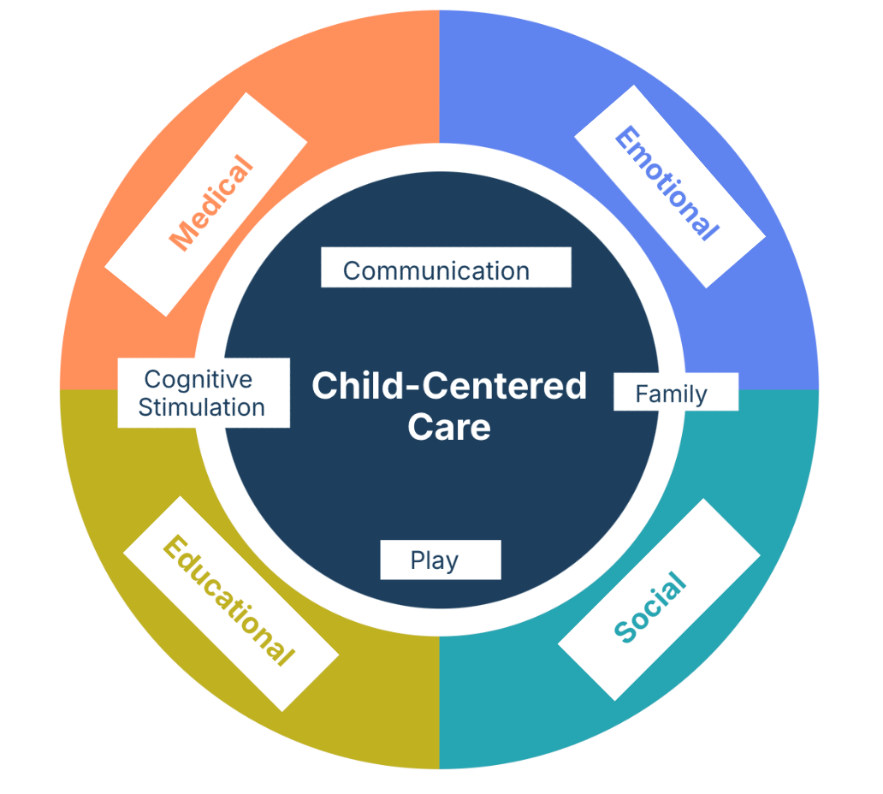
Figure 1 - Biopsychosocial model applied to Pediatric Oncology
Innovative programs and tools in Pediatric Oncology
Pediatric Oncology is undergoing a profound transformation in which clinical excellence is no longer measured solely by diagnostic and therapeutic advances but also by the capacity to preserve humanity in care. A growing body of innovative programs illustrates how technological innovation, psychosocial intervention and therapeutic play can not only improve physical health outcomes but also enhance the emotional well-being of young patients and their families.
The Child Life model approach is grounded in the principle that children and their families are not passive medical care recipients but active protagonists in the therapeutic process. Specialized interdisciplinary teams provide emotional support, adapted communication and therapeutic play, thereby mitigating the psychological burden of hospitalization and easing adaptation to oncological treatments(32,54). This model has been shown to reduce fear and anxiety while strengthening family resilience, creating a more humane and secure hospital environment.
CAREBOX exemplifies both a tangible and symbolic intervention. This "care box" contains educational resources, hygiene items, emotional regulation tools and playful materials, thereby serving as a bridge between clinical care and daily life. CAREBOX promotes the families' active involvement in the hospitalization process, reinforcing emotional bonds and offering a renewed sense of control in contexts marked by high vulnerability(28).
The Minecraft-based hospital classroom methodology is the introduction of educational video games such as Minecraft into hospital classrooms, transforming hospitalization into a hybrid space where learning and play converge. Beyond entertainment, this methodology promotes socialization, cooperation and the development of cognitive and emotional competencies while accommodating medical restrictions(55).
NixiKit is a Virtual Reality option for hospital familiarization and represents a paradigmatic example of how new technologies can humanize medical care. Through immersive simulations guided by the character Nixi, children explore hospital facilities prior to undergoing procedures, reducing both fear and anxiety. The kit also includes playful instruments, emotional resources and family participation platforms, thus reinforcing therapeutic alliances and enhancing the children's sense of safety and control(56).
The PanCareFollowUp program offers digital lifestyle coaching and personalized follow-up for childhood, adolescent and young adult cancer survivors. By integrating person-centered approaches, the program promotes healthy habits and ensures long-term support via online platforms(57). Complementarily, Breij et al.(58) highlight implementation challenges and facilitators—emphasizing the role of individualized protocols and integrated communication tools in ensuring care continuity.
Burrai et al.(59) argue that humanization also requires adapting healthcare environments and incorporating complementary therapies to foster comfort and well-being in pediatric wards. The ambient dimension of hospitalization exerts measurable effects on emotional health. Similarly, Graber et al.(34) stressed the therapeutic value of play programs, which promote emotional expression, reduce stress and enable hospitalized children to preserve their identities beyond the patient role.
Care continuity depends not only on interventions directly aimed at each child but also on organizational structures. Hooley et al.(60) identified clear protocols, structured transition meetings and open communication channels as facilitators of effective coordination across cancer care. From a relational perspective, Kaye et al.(61) showed that therapeutic alliances rely on empathy, consistency and uniform communication skills among healthcare teams.
Sedhom(62) underscores the importance of attending to the psychological, emotional and spiritual dimensions of pediatric cancer care. Shin et al.(63) further emphasize the value of multidisciplinary teamwork tailored to the developmental and psychosocial needs of adolescents and young adults, noting that collaborative goal setting and shared clinical frameworks are crucial for sustainable care. Chart 1 presents a synthesis of the programs reviewed and their main benefits.
Chart 1 - Summary of innovative programs in Pediatric Oncology and their benefits
|
Program |
Brief description |
Main objectives |
Documented impact |
|
Child Life |
Interdisciplinary intervention providing emotional support, age-adapted communication and therapeutic play. |
Reduce anxiety, ease adaptation to treatments, strengthen family resilience. |
Decreased fear and stress; improved psychosocial adaptation; more humane and secure hospital environment(32,54) |
|
CAREBOX |
A “care box” containing educational resources, hygiene items, emotional regulation tools and playful materials. |
Encourage family involvement and create a sense of control. |
Greater family participation; stronger emotional bonds(28) |
|
Minecraft hospital classroom |
Use of educational video games (e.g., Minecraft) to combine learning and play in hospital classrooms. |
Promote socialization, cooperation and cognitive development. |
Maintains educational continuity and social connection; increases motivation(55) |
|
NixiKit (VR) |
Virtual Reality immersive simulations to explore hospital areas before procedures. |
Reduce fear and anxiety; familiarize children with the clinical environment. |
Lower pre-procedure anxiety; reinforced therapeutic alliance(56) |
|
PanCareFollowUp |
Digital lifestyle coaching and long-term follow-up for childhood, adolescent and young adult cancer survivors. |
Promote healthy habits and personalized follow-up. |
Improved treatment adherence; reduced follow-up barriers(57,62) |
Taken together, these programs and tools illustrate a new vision of Pediatric Oncology: one in which technological innovation and psychosocial strategies are not optional complements but essential care components. By integrating creativity, empathy and patient-centered designs, hospitals can move beyond treating the disease to supporting the holistic life experiences of children and their families.
Benefits and challenges of humanization programs in Pediatric Oncology
The integration of innovative programs grounded in humanization, play, science and education is redefining the hospital experience of children with cancer. These approaches not only transform the clinical environment but also promote a new care paradigm in which physical health and emotional well-being advance hand in hand. Current evidence demonstrates a wide range of benefits.
The first key aspect is psychological adaptation. Participation in humanization programs has been shown to reduce anxiety and fear, thereby fostering resilience and promoting emotional well-being during treatment(2,28). This implies that when care initiatives integrate strategies aimed at strengthening the children's emotional resources, they can contribute to a more positive treatment experience. Furthermore, a holistic approach that incorporates physical, emotional and spiritual dimensions ensures a more comprehensive response to the children's diverse needs of in hospital settings(62).
Another important dimension is stress and pain reductions. Therapeutic play, adaptive physical activity, tailored environments and psychoemotional support have proven effective in alleviating both physical and psychological discomfort, providing children with coping strategies that allow them to face hospitalization in a more positive way(34,61). This suggests that interventions which directly target the hospital environment and children's activities can significantly improve their daily experiences during treatment.
A third element concerns improved treatment adherence. Coordinated efforts among professionals optimize care transitions and reduce the number of medical errors(64-65). At the same time, personalized digital interventions promote autonomy, continuous follow-up and stronger adherence to health behaviors(57). These combined factors reduce resistance to medical procedures, encourage children's active participation in their recovery process and ultimately increase the efficacy of clinical interventions(2).
Equally relevant is educational continuity and integral recovery. Along with interventions supported by technology and adapted physical activity, hospital classrooms enable children to sustain academic progress and preserve peer relationships, which in turn accelerates functional recovery and reduces the sense of isolation linked to prolonged hospitalization(2,28).
Finally, strengthened communication and therapeutic alliances constitute another central component. Empathetic and transparent communication enhances therapeutic relationships, building trust and satisfaction in both patients and their families. These strategies also ease interdisciplinary coordination and foster shared decision-making, which is crucial for ensuring that care is both effective and family-centered(28,61).
Despite these documented benefits, humanization programs encounter persistent limitations that challenge their sustainability and impact.
The first limitation relates to resource shortages. Many Pediatric Oncology units face lack of material and human resources, including insufficient budgetary support and shortage of specialized professionals, which ultimately restricts the continuity and scalability of humanization programs(64). This implies that even well-designed initiatives may struggle to be maintained over time without adequate institutional and financial backing.
A second challenge concerns professional overload and training deficits. Effective implementation of humanization strategies requires healthcare staff to receive training in communication skills, innovative technologies and approaches to psychosocial care(61,65). However, time constraints and the limited availability of professional development opportunities oftentimes hinder integrating these practices into daily clinical routines.
Another limitation is the absence of standardized protocols. Differences in how humanization practices are applied lead to heterogeneity and disparities across hospitals and regions, which in turn affect quality and equality of care provision(64). This highlights the need for consensus-driven guidelines that could ease more consistent practices.
Interdisciplinary barriers also represent a significant obstacle. Organizational and professional differences can hinder effective coordination among oncologists, psychologists, educators and other specialists whose collaboration is essential for comprehensive Pediatric Oncology care(65). These barriers may reduce the potential benefits of humanization strategies by fragmenting the care process.
A further challenge arises from technological and organizational barriers. Problems such as limited interoperability of systems and insufficient resources for maintaining digital platforms oftentimes restrict the use of innovative tools designed to enhance humanization in clinical contexts(64). Without addressing these limitations, technological solutions may remain underutilized or unsustainable.
Finally, cultural and contextual adaptability is a persistent concern. Adapting interventions to diverse cultural and structural realities remains a complex task that requires flexibility and contextual sensitivity(61). Moreover, ensuring long-term sustainability depends on enduring institutional commitment as well as sufficient resources to support the continuity of these initiatives(57,64).
Taken together, the evidence highlights both the significant benefits and the persistent challenges associated with implementing humanization programs in Pediatric Oncology. While these initiatives have shown positive impacts on psychological adaptation, stress reduction, treatment adherence, educational continuity and therapeutic communication, they are also constrained by resource shortages, professional overload, lack of standardized protocols and structural barriers. To summarize these findings in a concise and comparative way, Chart 2 presents an overview of the main benefits and challenges identified in the literature.
Chart 2 - Benefits and challenges of humanization programs
|
Benefits |
Challenges |
|
Reduced anxiety, fear and pain(28,34) |
Shortage of material and human resources(66) |
|
Increased resilience and emotional well-being(2,62) |
Professional overload and insufficient training(61-62) |
|
Improved treatment adherence and fewer clinical errors(58,60) |
Lack of standardized protocols and heterogeneity across hospitals(66) |
|
Continuity of education and preservation of social ties(2,28) |
Interdisciplinary coordination barriers(65) |
|
Stronger communication and therapeutic alliances(61) |
Technological and sustainability challenges(57-58) |
In summary, innovative programs in Pediatric Oncology should not be viewed as secondary complements to medical treatments but as essential strategies to improve both quality of life and clinical outcomes. However, to ensure sustainable and equitable impacts, institutional commitment is imperative to overcome current barriers and guarantee their integration into all hospital settings.
Ongoing research initiatives
Two ongoing research initiatives illustrate how innovative, interdisciplinary approaches can advance Pediatric Oncology humanization.
The first project, The Wise Kids Power, is devoted to improving communication in Pediatric Oncology through the design of digital tools that empower children with cancer, involve their families and transform the healthcare professionals' communicative role. In order to identify existing gaps, the project develops tailored instruments, including a questionnaire for healthcare staff, a questionnaire for primary caregivers, a board game for children and a virtual escape room for adolescents. Its innovative contribution lies in transforming traditional assessment tools into playful experiences and in the theoretical design of a digital app that integrates children, adolescents, caregivers and healthcare teams into a shared communicative space. At this stage, no control or experimental groups are included to assess treatment adherence, as the app is still under development; such evaluation is planned as a subsequent research phase.
In parallel, the second project, the Hospital-Based Psychopedagogical Intervention, focuses on enhancing the hospitalization experience of children with cancer by addressing three core dimensions: stimulation of cognitive functioning, promotion of psychological well-being through play and mindfulness-based activities, and active involvement of families as co-participants in the process. Rather than addressing clinical or emotional needs alone, this intervention broadens the humanization scope by incorporating developmental and educational perspectives into Pediatric Oncology care. Its expected contribution lies in demonstrating how cognitive stimulation, emotional support and family engagement can be systematically integrated into hospital routines to foster resilience, sustain developmental trajectories and strengthen the child-family-healthcare triad.
Though different in scope and methodology, both ongoing initiatives are conceptually interconnected and aligned with the Child-Centered Care Framework proposed in this study. While the first emphasizes technological mediation and playful engagement as means to enhance emotional resilience, the second focuses on cognitive stimulation and on the active participation of children and families in care processes. Together, they demonstrate that humanization in Pediatric Oncology can be simultaneously emotional, cognitive and social, linking play, learning and communication in complementary and reinforcing ways.
Beyond their individual contributions, these initiatives share a common goal: the systematization and protocolization of humanized practices in clinical contexts. Their convergence moves the discussion from isolated innovations toward structured, replicable processes capable of being incorporated into institutional protocols and policy guidelines. Importantly, both interventions are designed to be containing and child- and family-friendly, creating welcoming spaces that use clear, accessible language and foster emotional safety. By empowering children and families as active participants, they offer concrete what to do and how to do it models, helping healthcare teams translate the humanization principles into everyday clinical routines.
Ultimately, these two initiatives exemplify how the Child-Centered Care Framework principles can be operationalized through concrete, innovative programs that transcend conceptual discourse and materialize in practices aimed at improving children's real-world experiences in Pediatric Oncology settings, while reinforcing international efforts such as Child Life, CAREBOX and hospital-based education programs.
Practical strategies proposed to implement the Child-Centered Care Framework
In order to translate the Child-Centered Care Framework into the clinical practice within Pediatric Oncology, several complementary and interdependent strategies can be implemented across institutional, professional and patient levels:
Interdisciplinary training programs, which involve continuous education for nurses, physicians, psychologists and educators focused on empathy, communication with children and emotional regulation, as well as the use of digital and educational tools to enhance patient engagement.
Standardized humanization protocols, developed to integrate play, education, family participation and psychosocial support into daily routines, defining professional roles, outcome indicators and mechanisms for ongoing evaluation.
Integration of digital and therapeutic tools, such as Virtual Reality kits (e.g., NixiKit), interactive games or digital storytelling to reduce anxiety and promote engagement.
Patient-Reported Experience Measures (PREMs), to systematically collect feedback from children and families to evaluate satisfaction, emotional well-being, autonomy and educational continuity, informing service improvements.
Family empowerment and co-participation, through structured opportunities for caregivers to collaborate in play and educational activities, co-design care plans and participate in shared decisions.
Institutional commitment and sustainability, by securing policy-level support to allocate resources, ensure staff training continuity and embed humanization as a permanent component of Pediatric Oncology programs.
These strategies operationalize the Child-Centered Care Framework theoretical principles, providing measurable pathways for fostering humane, equitable and developmentally responsive Pediatric Oncology care.
Future directions in Pediatric Oncology humanization
While the ongoing projects illustrate the feasibility and innovative potential of humanization programs in Pediatric Oncology, important gaps remain that require systematic attention from research, policy and clinical practice.
A first priority is to develop standardized and validated protocols to ensure consistency and comparability across hospitals and regions. The current practices are oftentimes heterogeneous, leading to disparities in access and outcomes(64). Future studies should therefore focus on designing frameworks that not only systematize interventions but also allow for robust evaluation and replication in diverse contexts(65).
Equally important is the need for sustained institutional and political commitment. Without stable financial resources, adequate staffing and organizational support, even the most promising initiatives risk remaining fragmented or unsustainable(64). Research should explore governance models and funding strategies capable of embedding humanization as a permanent component of Pediatric Oncology services.
Another crucial line of inquiry involves strengthening professional training. Although the evidence consistently highlights that empathic dialogue and therapeutic communication foster trust, support decision-making and enhance overall care quality(28,61), such competencies are still not systematically integrated into medical and nursing curricula. Future work should investigate how emotional competencies—such as empathy, resilience and affective regulation—can be developed within healthcare teams and families alike, reinforcing their role as active participants in the therapeutic process(22,33).
Technological innovation also represents a promising but underdeveloped field. While recent projects have begun to incorporate playful tools and digital platforms, research must evaluate their cultural adaptability, accessibility and interoperability. Studies should assess whether these tools effectively promote adherence, resilience and holistic well-being, while also exploring strategies to overcome sustainability challenges such as resource shortages and technological maintenance(57,64).
Finally, future research should continue to explore the role of families as empowered co-educators and co-therapists within hospital settings. Family-centered approaches remain unevenly implemented, yet they hold the potential to enhance resilience, preserve developmental trajectories and support children's active participation in their care. Ensuring cultural sensitivity and contextual adaptability will be essential for the success of these models(61).
In sum, although significant progress has already been achieved through ongoing initiatives, future research should focus on protocol standardization, institutional sustainability, professional training, technological integration and family empowerment. By addressing these gaps, humanization can move beyond isolated innovations to become a structured, equitable and sustainable practice that enhances both clinical outcomes and the hospital experience of children with cancer.
CONCLUSION
Pediatric Oncology care humanization requires moving beyond a purely biomedical framework toward a biopsychosocial and person-centered paradigm that acknowledges the emotional, cognitive and social realities of hospitalized children. Play, education, scientific engagement and cognitive-educational support emerge as essential pillars for fostering resilience, autonomy and overall well-being, while strategies such as transparent communication, family-oriented care, therapeutic play, academic continuity and digital tools provide concrete pathways for embedding humanization into the clinical practice. These approaches not only reduce distress and anxiety but also improve adherence, promote recovery and strengthen therapeutic alliances, demonstrating that medical excellence is inseparable from compassion and holistic care.
This reflection article contributes by introducing the Child-Centered Care Framework, which integrates medical, emotional, social and educational dimensions through the interconnection of play, family engagement, communication and cognitive stimulation. This model offers a conceptual and practical foundation for implementing humanized and developmentally sensitive approaches in Pediatric Oncology Nursing.
Persistent challenges—including limited resources, lack of standardized protocols, professional overload and technological barriers—underscore the need for a systemic change to ensure equality and sustainability. The initiatives discussed in this article illustrate how humanization can be translated into innovative, interdisciplinary practices. Future research should further develop and evaluate the framework and strategies proposed in diverse clinical settings, consolidating humanization as a structured and sustainable Pediatric Oncology component that enhances both clinical outcomes and the holistic well-being of children and their families.
CONFLICT OF INTERESTS
The authors have declared that there is no conflict of interests.
USE OF ARTIFICIAL INTELLIGENCE
Artificial intelligence tools, including ChatGPT (OpenAI) and Perplexity, were used to summarize tables included as support in the text and to verify word counts. At the same time, Grammarly was employed for grammar corrections. The authors reviewed and validated all content to ensure accuracy and academic integrity.
REFERENCES
1. Christianson C, Mehler S, Reeves C, Farner H, Brinkman TM, Baker JN, et al. “We’re going to get through this together”: patient, parent, and oncologist recommendations for providing emotional support in advanced childhood cancer. J Psychosoc Oncol. 2025;1-18. https://doi.org/10.1080/07347332.2025.2528830
2. Díaz-Cortés M, Morales-Mediano J, Torre-Montero JC la, Ferreira-Umpiérrez A. Conceptualization of Digital Platforms Within Cancer Communication: A Review of Barriers and Drivers of Online Tools to Empower Children and Adolescents with Cancer to Understand Their Disease. Eur J Investig Health Psychol Educ. 2025;15(12):242. https://doi.org/10.3390/ejihpe15120242
3. Oliveros-Donohue MA. Humanización de la Pediatría. Acta Méd. Peru. 2015;32(2):85-90. https://doi.org/10.35663/amp.2015.322.133
4. Sánchez JC, Porras GL, Torres MA, Olaya JC, García AM, Muñoz LV, et al. Effects of clowning on anxiety, stress, pain, and hormonal markers in paediatric patients. BMC Pediatr. 2024;24(1):728. https://doi.org/10.1186/s12887-024-05211-1
5. Cruz Martín O, Hernández Meléndrez DE, Pérez Inerárity M. La promoción del bienestar en niños hospitalizados a través de una metodología interdisciplinaria. Medicentro (Villa Clara) [Internet]. 2018 [cited 2025 Sep 3];22(2):142-151. Available from: http://scielo.sld.cu/scielo.php?script=sci_arttext&pid=S1029-30432018000200006&lng=es&nrm=iso&tlng=es
6. Wärnestål P, Svedberg P, Nygren J. Co-constructing child personas for health-promoting services with vulnerable children. In: Proceedings of the SIGCHI Conference on Human Factors in Computing Systems. Canada: ACM; 2014. p. 3767-3776. https://doi.org/10.1145/2556288.2557115
7. Cahalan L, Smith A, Sandoval M, Parks G, Gresham Z. Collaborative Legacy Building to Alleviate Emotional Pain and Suffering in Pediatric Cancer Patients: A Case Review. Children (Basel). 2022;9(1):33. https://doi.org/10.3390/children9010033
8. Harper J, Hinds PS, Baker JN, Hicks J, Spunt SL, Razzouk BI. Creating a palliative and end-of-life program in a cure-oriented pediatric setting: the zig-zag method. J Pediatr Oncol Nurs. 2007;24(5):246-254. https://doi.org/10.1177/1043454207303882
9. Gilligan T. When do we stop talking about curative care? J Palliat Med. 2003;6(4):657-660. https://doi.org/10.1089/109662103768253821
10. Lerwick JL. Minimizing pediatric healthcare-induced anxiety and trauma. World J Clin Pediatr. 2016;5(2):143-150. https://doi.org/10.1186/s12912-021-00684-2
11. Gürcan M, Atay Turan S. Examining the expectations of healing care environment of hospitalized children with cancer based on Watson’s theory of human caring. J Adv Nurs. 2021;77(8):3472-3482. https://doi.org/10.1111/jan.14934
12. Valadares MTM, Mota JAC, Oliveira BM de. Cuidados paliativos em pediatria: uma revisão. Rev Bioét. 2013;21(3):486-493. https://doi.org/10.1590/s1983-80422013000300013
13. Jones BL, Contro N, Koch KD. The Duty of the Physician to Care for the Family in Pediatric Palliative Care: Context, Communication, and Caring. Pediatrics. 2014;133(Suppl 1):S8-S15. https://doi.org/10.1542/peds.2013-3608c
14. Coombes L, Braybrook D, Roach A, Scott H, Harðardóttir D, Bristowe K, et al. Achieving child-centred care for children and young people with life-limiting and life-threatening conditions-a qualitative interview study. Eur J Pediatr. 2022;181(10):3739-3752. https://doi.org/10.1007/s00431-022-04566-w
15. Wiljén A, Chaplin JE, Crine V, Jobe W, Johnson E, Karlsson K, et al. The Development of an mHealth Tool for Children With Long-term Illness to Enable Person-Centered Communication: User-Centered Design Approach. JMIR Pediatr Parent. 2022;5(1):e30364. https://doi.org/10.2196/30364
16. Diaz KA, Spiess PE, García-Perdomo HA. Humanization in oncology care: A necessary change. Urol Oncol. 2023;41(2):58-61. https://doi.org/10.1016/j.urolonc.2022.11.012
17. Reyes-Téllez Á, González-García A, Martín-Salvador A, Gázquez-López M, Martínez-García E, García-García I. Humanization of nursing care: a systematic review. Front Med (Lausanne). 2024;11:1446701. https://doi.org/10.3389/fmed.2024.1446701
18. World Health Organization, United Nations Children's Fund. Primary health care: report of the International Conference on Primary Health Care, Alma-Ata, USSR, 6-12 September 1978 [Internet]. Geneva: WHO; 1978 [cited 2025 Sep 3]. Available from: https://www.who.int/publications/i/item/9241800011
19. Carson RA. Engaged humanities: moral work in the precincts of medicine. Perspect Biol Med. 2007;50(3):321-333. https://doi.org/10.1353/pbm.2007.0025
20. Henao-Castaño AM, Vergara-Escobar OJ, Gómez-Ramírez OJ. Humanización de la atención en salud: análisis del concepto. Revista Ciencia y Cuidado. 2021;18(3):74-85. https://doi.org/10.22463/17949831.2791
21. Švab I, Cerovečki V. Person-centred care, a core concept of family medicine. Eur J Gen Pract. 2024;30(1):2393860. https://doi.org/10.1080/13814788.2024.2393860
22. Ramiro JIL, Ruiz ER, Marín VU. Humanización del cuidado de los pacientes pediátricos hospitalizados. Conoc. enfer. 2023;6(22):45-60. https://doi.org/10.60108/ce.259
23. Tran BQ. Strategies for effective patient care: Integrating quality communication with the patient-centered approach. Soc Personal Psychol Compass. 2021;15(1):e12574. https://doi.org/10.1111/spc3.12574
24. Asociación Infantil Oncológica de Madrid. Humanización de la atención a niños y adolescentes con cáncer [Internet]. 2021 [cited 2025 Sep 3]. Available from: https://www.asion.org/humanizacion-atencion-ninos-con-cancer/
25. Kwame A, Petrucka PM. A literature-based study of patient-centered care and communication in nurse-patient interactions: barriers, facilitators, and the way forward. BMC Nurs. 2021;20(1):158. https://doi.org/10.1186/s12912-021-00684-2
26. Siokal B, Amiruddin R, Abdullah T, Thamrin Y, Palutturi S, Ibrahim E, et al. The Influence of Effective Nurse Communication Application on Patient Satisfaction: A Literature Review. Pharmacognosy Journal. 2023;15(3):479-483. https://doi.org/10.5530/pj.2023.15.105
27. Ullán AM, Belver MH. Humanización del hospital pediátrico. Perspectiva psicosocial [Internet]. Barcelona: Elsevier; 2019 [cited 2025 Sep 3]. Available from: https://educacion.usal.es/wp-content/uploads/sites/34/2020/03/Humanizacion-del-hospital-pediátrico.-Perspectiva-psicosocial-.pdf
28. Asociación de Padres, Familiares y Amigos de Niños Oncológicos de Castilla y León. Guía de servicios y recursos de PYFANO [Internet]. Castilla y León: PYFANO; 2017 [cited 2025 Sep 3]. Available from: https://pyfano.es/wp-content/uploads/2017/01/GUIA-DE-SERVICIOS-Y-RECURSOS-DE-PYFANO.pdf
29. Bates V. “Humanizing” healthcare environments: architecture, art and design in modern hospitals. Design Health (Abingdon). 2018;2(1):5-19. https://doi.org/10.1080/24735132.2018.1436304
30. Silva V de MG, Hora SS da. Impactos do Câncer na Vida Escolar de Crianças e Adolescentes: a Importância da Classe Hospitalar. Rev. Bras. Cancerol. (Online). 2018;64(3):401-404. https://doi.org/10.32635/2176-9745.RBC.2018v64n3.47
31. Todres L, Galvin KT, Holloway I. The humanization of healthcare: A value framework for qualitative research. International Journal of Qualitative Studies on Health and Well-being. 2009;4(2):68-77. https://doi.org/10.1080/17482620802646204
32. Madero López L. El modelo Child Life. Una herramienta necesaria en la humanización en la Oncología Pediátrica [Internet]. Madrid: Dr. Luis Madero; 2024 [cited 2025 Sep 3]. Available from: https://drluismadero.com/el-modelo-child-life-una-herramienta-necesaria-en-la-humanizacion-en-la-oncologia-pediatrica/
33. Ullán AM, Manzanera P. Las paredes cuentan: arte para humanizar un espacio de salud pediátrico. Arte individuo soc. [Internet]. 2009 [cited 2025 Sep 3];21:123-142. Available from: https://revistas.ucm.es/index.php/ARIS/article/view/ARIS0909110123A
34. Graber K, O’Farrelly C, Ramchandani P. Centring children’s lived experiences in understanding the importance of play in hospitals. Child Care Health Dev. 2024;50(4):e13287. https://doi.org/10.1111/cch.13287
35. Stover AM, Kurtzman R, Walker Bissram J, Jansen J, Carr P, Atkinson T, et al. Stakeholder Perceptions of Key Aspects of High-Quality Cancer Care to Assess with Patient Reported Outcome Measures: A Systematic Review. Cancers (Basel). 2021;13(14):3628. https://doi.org/10.3390/cancers13143628
36. van der Plas E, Nieman BJ, Butcher DT, Hitzler JK, Weksberg R, Ito S, et al. Neurocognitive Late Effects of Chemotherapy in Survivors of Acute Lymphoblastic Leukemia: Focus on Methotrexate. J Can Acad Child Adolesc Psychiatry. 2015;24(1):25-32. PMID: 26336377
37. Jacola LM, Edelstein K, Liu W, Pui CH, Hayashi R, Kadan-Lottick NS, et al. Cognitive, behaviour, and academic functioning in adolescent and young adult survivors of childhood acute lymphoblastic leukaemia: a report from the Childhood Cancer Survivor Study. Lancet Psychiatry. 2016;3(10):965-972. https://doi.org/10.1016/s2215-0366(16)30283-8
38. Mulhern RK, Palmer SL. Neurocognitive late effects in pediatric cancer. Curr Probl Cancer. 2003;27(4):177-197. https://doi.org/10.1016/s0147-0272(03)00026-6
39. Bauman SSM. School Counselors and Survivors of Childhood Cancer: Reconceptualizing and Advancing the Cure. Professional School Counseling. 2010;14(2):2156759X1001400204. https://doi.org/10.1177/2156759x1001400204
40. Mahajan A, Jenney MEM. The Survivors of Childhood Cancer. In: Kreitler S, Arush MWB, editors. Psychosocial Aspects of Pediatric Oncology. Hoboken (NJ): John Wiley & Sons, Ltd; 2004. p. 265-278. https://doi.org/10.1002/0470020776.ch11
41. Oliveira PA de, Santos GH dos, Coutinho DJG. Pedagogy in hospital setting. Revista Ibero-Americana de Humanidades, Ciências e Educação. 2023;9(3):815-828. https://doi.org/10.51891/rease.v9i3.8749
42. Upton P, Eiser C. School experiences after treatment for a brain tumour. Child Care Health Dev. 2006;32(1):9-17. https://doi.org/10.1111/j.1365-2214.2006.00569.x
43. Hostert PC da CP, Motta AB, Enumo SRF. Coping with hospitalization in children with cancer: The importance of the hospital school. Estud. Psicol. 2015;32(4):627-639. https://doi.org/10.1590/0103-166X2015000400006
44. Powell T, Cohen J, Patterson P. Keeping Connected With School: Implementing Telepresence Robots to Improve the Wellbeing of Adolescent Cancer Patients. Front Psychol. 2021;12:749957. https://doi.org/10.3389/fpsyg.2021.749957
45. Meneses-La-Riva ME, Suyo-Vega JA, Fernández-Bedoya VH. Humanized Care From the Nurse-Patient Perspective in a Hospital Setting: A Systematic Review of Experiences Disclosed in Spanish and Portuguese Scientific Articles. Front Public Health. 2021;9:737506. https://doi.org/10.3389/fpubh.2021.737506
46. Doherty M, Bond L, Jessell L, Tennille J, Stanhope V. Transitioning to Person-Centered Care: a Qualitative Study of Provider Perspectives. J Behav Health Serv Res. 2020;47(3):399-408. https://doi.org/10.1200/edbk_238181
47. Martín-Sanz MB, Salazar-de-la-Guerra RM, Cuenca-Zaldivar JN, Salcedo-Perez-Juana M, Garcia-Bravo C, Palacios-Ceña D. Person-centred care in individuals with stroke: a qualitative study using in-depth interviews. Ann Med. 2022;54(1):2167-2180. https://doi.org/10.1080/07853890.2022.2105393
48. Rahimzadeh V, Bartlett G, Longo C, Crimi L, Macdonald ME, Jabado N, et al. Promoting an ethic of engagement in pediatric palliative care research. BMC Palliat Care. 2015;14:50. https://doi.org/10.1186/s12904-015-0048-5
49. Mansoor M, Hamide A, Tran T. Conversational AI in Pediatric Mental Health: A Narrative Review. Children (Basel). 2025;12(3):359. https://doi.org/10.3390/children12030359
50. Yang Y, Zhang Y, Li Y. Artificial intelligence applications in pediatric oncology diagnosis. Explor Target Antitumor Ther. 2023;4(1):157-169. https://doi.org/10.37349/etat.2023.00127
51. Back AL. Patient-Clinician Communication Issues in Palliative Care for Patients With Advanced Cancer. J Clin Oncol. 2020;38(9):866-876. https://doi.org/10.1200/jco.19.00128
52. Rubio-Garrido P, Bazo-Hernández L, Enrich-Font A, Montserrat-Gala AM, Pavón-García C, Lasmarías-Ugarte MC, et al. Family-centered care in pediatric critical care units: A critical review. Journal of Pediatric Critical Care. 2025;12(3):143. https://doi.org/10.4103/jpcc.jpcc_24_25
53. Uwayezu MG, Nikuze B, Maree JE, Buswell L, Fitch MI. Competencies for Nurses Regarding Psychosocial Care of Patients With Cancer in Africa: An Imperative for Action. JCO Glob Oncol. 2022;8:e2100240. https://doi.org/10.1200/go.21.00240
54. Hospital Sant Joan de Déu Barcelona. Modelo de atención y humanización [Internet]. Barcelona: Hospital Sant Joan de Déu Barcelona; 2022 [cited 2025 Sep 3]. Available from: https://www.sjdhospitalbarcelona.org/es/modelo-atencion-y-humanizacion
55. Antequera JG, Domínguez FIR. Videojuegos precursores de emociones positivas: propuesta metodológica con Minecraft en el aula hospitalaria. Int. j. educ. res. innov. [Internet]. 2015 [cited 2025 Sep 3];(3):105-120. Available from: https://www.upo.es/revistas/index.php/IJERI/article/view/1447
56. Nixi for Children. NixiKit [Internet]. Barcelona: Nixi Design for Health SL; 2022 [cited 2025 Sep 3]. Available from: https://nixiforchildren.com/en/nixikit/
57. Bouwman E, Hermens RPMG, Brown MC, Araújo-Soares V, Blijlevens NMA, Kepak T, et al. Person-centred online lifestyle coaching in childhood, adolescent, and young adult cancer survivors: protocol of the multicentre PanCareFollowUp lifestyle intervention feasibility study. Pilot Feasibility Stud. 2022;8(1):260. https://doi.org/10.1186/s40814-022-01221-x
58. Breij D, Hjorth L, Bouwman E, Walraven I, Kepak T, Kepakova K, et al. Healthcare providers’ expected barriers and facilitators to the implementation of person-centered long-term follow-up care for childhood cancer survivors: A PanCareFollowUp study. Cancer Med. 2024;13(20):e70225. https://doi.org/10.1002/cam4.70225
59. Burrai F, Micheluzzi V, Apuzzo L. Umanizzazione delle cure: innovazione e modello assistenziale. Giornale di Clinica Nefrologica e Dialisi. 2020;32(1):47-52. https://doi.org/10.33393/gcnd.2020.1984
60. Hooley RL, Payne S, Begovic D, Correa-Morales JE, Harding A, Hasselaar J, et al. Collaboration, coordination and communication as facilitators of transitions for patients with advanced cancer: a scoping review linked to the Pal-Cycles project. BMC Palliat Care. 2024;23(1):204. https://doi.org/10.1186/s12904-024-01510-7
61. Kaye EC, Rockwell S, Woods C, Lemmon ME, Andes K, Baker JN, et al. Facilitators Associated With Building and Sustaining Therapeutic Alliance in Advanced Pediatric Cancer. JAMA Netw Open. 2021;4(8):e2120925. https://doi.org/10.1001/jamanetworkopen.2021.20925
62. Sedhom R. Caring for the Patient With Cancer: Body and Soul. J Pain Symptom Manage. 2020;60(5):1066-1069. https://doi.org/10.1016/j.jpainsymman.2020.05.008
63. Shin H, Seo JY, Choi ES, De Gagne JC. Facilitators and Barriers to Multidisciplinary Teamwork in Adolescent and Young Adult Oncology Care: A Descriptive Qualitative Study. J Multidiscip Healthc. 2025;18:917-932. https://doi.org/10.2147/jmdh.s501077
64. Cylus J, Papanicolas I, Smith PC, editors. Health system efficiency: How to make measurement matter for policy and management [Internet]. Copenhagen (DK): European Observatory on Health Systems and Policies; 2016. PubMed Bookshelf ID: NBK436888
65. Villa Velásquez J, Reynaldos Grandón K, Chepo Chepo M, Rivera Rojas F, Valencia Contrera M, Villa Velásquez J, et al. Trabajo interdisciplinar en la atención de niños, niñas y adolescentes con necesidades especiales en el cuidado de la salud: una revisión integrativa. Arch Argent Pediatr. 2025;123(4):e202410577. https://doi.org/10.5546/aap.2024-10577
66. World Health Organization. Global strategy on human resources for health: Workforce 2030 [Internet]. Geneva: WHO; 2020 [cited 2025 Sep 3]. Available from: https://www.who.int/publications/i/item/9789241511131
Submission: 22-Sep-2025
Approved: 14-Oct-2025
Editors:
Rosimere Ferreira Santana (ORCID: 0000-0002-4593-3715)
Geilsa Soraia Cavalcanti Valente (ORCID: 0000-0003-4488-4912)
Ramon Oliveira (ORCID: 0000-0001-9668-7051)
Corresponding author: María Díaz Cortés (mdiazcortes@al.uloyola.es)
Publisher:
Escola de Enfermagem Aurora de Afonso Costa – UFF
Rua Dr. Celestino, 74 – Centro, CEP: 24020-091 – Niterói, RJ, Brazil
Journal email: objn.cme@id.uff.br
|
AUTHORSHIP CONTRIBUTIONS |
|
Study conception: Díaz Cortés M, Castro Trigo S. Data acquisition: Díaz Cortés M, Castro Trigo S. Data analysis: Díaz Cortés M, Castro Trigo S. Data interpretation: Díaz Cortés M, Castro Trigo S, Ferreira Umpiérrez A. All authors are responsible for the textual writing and critical review of the intellectual content, for the final published version, and for all ethical, legal, and scientific aspects related to the accuracy and integrity of the study. |
