
TECHNOLOGICAL DEVELOPMENT
DEVELOPMENT OF A CHATBOT FOR THE INVESTIGATION AND TREATMENT OF TOXOPLASMOSIS DURING PREGNANCY*
Rafaela Cassiano Zamboni1, Eliane de Fátima Almeida Lima2, Márcia Valéria de Souza Almeida3, Ana Paula Carmona dos Reis4, Michele Garcia Bolsoni Nascimento5, Cândida Caniçali Primo6, Thiago Nascimento do Prado7
1 Universidade Federal do Espírito Santo, Graduate Program in Nursing. Vitória, ES, Brazil. ORCID: 0000-0002-1801-3016. E-mail: rafaczamboni@gmail.com
2 Universidade Federal do Espírito Santo, Graduate Program in Nursing. Vitória, ES, Brazil. ORCID: 0000-0001-5128-3715. E-mail: eliane.lima@ufes.br
3 Universidade Federal do Espírito Santo, Graduate Program in Nursing. Vitória, ES, Brazil. ORCID: 0000-0002-1318-7084. E-mail: souzamarcia40@gmail.com
4 Escola de Enfermagem de Lisboa. Department of Women’s Health. Lisboa, Portugal. ORCID: 0000-0003-0301-2261. E-mail: anapcarmona@ipcb.pt
5 Universidade Federal do Espírito Santo, Graduate Program in Nursing. Vitória, ES, Brazil. ORCID: 0000-0002-3177-3124. E-mail: mychellegarcia06@gmail.com
6 Universidade Federal do Espírito Santo, Graduate Program in Nursing. Vitória, ES, Brazil. ORCID: 0000-0001-5141-2898. E-mail: candida.primo@ufes.br
7 Universidade Federal do Espírito Santo, Graduate Program in Nursing. Vitória, ES, Brazil. ORCID: 0000-0001-8132-6288. E-mail: thiago.prado@ufes.br
ABSTRACT
Objective: To describe the development and evaluation of a chatbot designed to guide nurses regarding the investigation and treatment of toxoplasmosis during pregnancy in prenatal care. Methods: An applied research study with a technological development approach, conducted in two stages: development of a chatbot and evaluation of the target audience’s experience. The study was carried out in a municipality in the state of Espírito Santo, Brazil, from August 2023 to July 2024. Results: The chatbot Toxobot was developed based on artificial intelligence and natural language processing. The tool consists of 16 screens organized in a logical sequence, structured to promote human-computer interaction and navigation guided by the information provided. Usability was evaluated by 15 nurses and was classified as excellent, with a total score of 80.6 points. Conclusion: The use of Toxobot enabled the dissemination of synthesized and appropriate information on the investigation and treatment of pregnant women with toxoplasmosis during prenatal care.
Descriptors: Nursing; Pregnant Woman; Toxoplasmosis; Conversational Technology; Prenatal Care.
|
How to cite: Zamboni RC, Lima EFA, Almeida MVS, Reis APC, Nascimento MGB, Primo CC, Prado TN, et al. Development of a chatbot for the investigation and treatment of toxoplasmosis during pregnancy. Online Braz J Nurs. 2026;25(1):e20266892. https://doi.org/10.17665/1676-4285.20266892 |
What is already known:
Toxoplasmosis during pregnancy can cause serious complications when not diagnosed and treated early;
Health professionals face difficulties in following updated protocols in prenatal care;
Chatbots show potential to support clinical practice and expand the dissemination of health information.
What this article adds:
Develops and evaluates Toxobot, an artificial intelligence-based chatbot designed to support prenatal care;
The technology facilitates rapid access to reliable information on the investigation and treatment of pregnant women with toxoplasmosis.
INTRODUCTION
Toxoplasmosis is one of the most prevalent chronic infections worldwide, affecting approximately one-third of the global population. An international meta-analysis estimated an overall prevalence of acute Toxoplasma gondii infection in pregnant women of 0.6% (95% CI 0.4%-0.7%), with approximately 201,600 annual cases of congenital toxoplasmosis in newborns(1). In Brazil, studies indicate high seroprevalence among women of reproductive age (50%-80%), which highlights the magnitude of the problem and the persistent risk of primary infection during pregnancy(2,3).
Surveillance, early detection, and timely management of toxoplasmosis during prenatal care are essential to reduce or prevent fetal and neonatal complications, such as spontaneous abortion, stillbirth, prematurity, hydrocephalus, intracranial calcifications, chorioretinitis, seizures, delayed neuropsychomotor development, and permanent visual impairment(4).
Improving the quality of prenatal care is part of national strategies aimed at reducing maternal and infant morbidity and mortality. These actions are currently reinforced by the Alyne Network, established by the Brazilian Ministry of Health, whose objective is to ensure surveillance of health conditions during pregnancy, prevent avoidable deaths, and improve professional practices, especially in addressing clinical conditions sensitive to prenatal care, such as congenital infections(5).
Health professionals play a central role in the identification, treatment, and surveillance of communicable diseases during prenatal care(6). However, weaknesses in their knowledge have been identified, including gaps related to transmission routes, the period of greatest gestational risk, interpretation of serological tests, indication of the IgG avidity test, and appropriate therapeutic management. Such limitations may compromise clinical decision-making and the effectiveness of actions aimed at preventing vertical transmission(7).
There has been a growing incorporation of digital technologies in health care, particularly conversational agents (chatbots), recognized as promising tools for clinical decision support, continuing education, and improvement of health communication. Digital technologies have become increasingly present in the daily lives of individuals and organizations. Among them, chatbots stand out as effective resources for promoting interpersonal communication and educational applications related to human behavior(8,9).
A chatbot is a conversational agent structured with clear and previously programmed messages, whose purpose is to facilitate the transmission of information through text or voice(10). In the health field, these resources have been used to organize care activities, support patient health education, prevent and control infections, and monitor diseases(11,12). However, no conversational agents specifically aimed at guiding clinical practice related to the investigation and treatment of toxoplasmosis during pregnancy were identified in the databases consulted.
This study is justified by the need to strengthen qualified prenatal care, in line with the guidelines of the Brazilian Ministry of Health and the Alyne Network. In addition, it addresses the National Agenda of Priorities in Health Research, particularly in the areas of maternal and child health and communicable diseases, contributing to the achievement of Sustainable Development Goal 3, which aims to ensure healthy lives and promote well-being for all, with emphasis on reducing avoidable maternal and neonatal mortality.
Thus, the objective of this study was to describe the development and evaluation of a chatbot designed to guide nurses regarding the investigation and treatment of pregnant women with toxoplasmosis during prenatal care.
METHOD
This is an applied research study of technological development conducted in two stages: i) development of the chatbot and ii) evaluation of its usability by the target audience. The study was performed in a city in the state of Espírito Santo, Brazil, from August 2023 to July 2024.
The development of the technology followed four stages: i) content development; ii) definition of the items composing the script; iii) development of the chatbot structure and design; and iv) definition of interface alternatives and implementation on the platform.
In the first stage, the chatbot content was defined based on questions raised by physicians and nurses from primary health care (PHC) and forwarded to the municipal technical reference for toxoplasmosis over a 1-year period. Based on the questions received, the principal researcher, responsible for the city’s technical reference, organized the content that subsequently composed the chatbot interaction flows.
The development of the content was based on technical notes, manuals, and protocols from the Brazilian Ministry of Health related to the investigation and treatment of toxoplasmosis during pregnancy in prenatal care(13-15). The chatbot was developed using artificial intelligence (AI) and natural language processing (NLP).
The structure and design of the chatbot were developed using the Botpress platform, which was selected for offering free resources and its own implementation service. NLP technology enabled the automation of natural language through algorithms incorporated into the system, allowing the recognition of keywords or entities, classification of questions into predefined categories, and conversational interaction with the user through previously structured responses based on the script developed for the investigation and treatment of toxoplasmosis during pregnancy in the prenatal care context.
The usability evaluation of the chatbot was conducted with PHC nurses from the municipality participating in the study. The sample was selected by convenience. Nurses with at least 1 year of experience in conducting prenatal consultations were included. As an exclusion criterion, professionals on vacation or leave during the data collection period were excluded. All nurses who met the inclusion criteria were invited to participate, totaling 15 participants, with no refusals recorded.
The nurses were contacted through a messaging group used for communication between the municipal technical reference and PHC professionals. An electronic form was sent via Google Forms containing an invitation letter describing the objectives and stages of the study, the informed consent form (ICF), and the link to access the chatbot. After signing the ICF, participants completed a characterization form including the following variables: age, gender, academic background, time since graduation, complementary training for the care of pregnant women with toxoplasmosis, and experience in prenatal care. They then completed the usability evaluation scale.
The usability of the chatbot was evaluated using the System Usability Scale (SUS), composed of 10 items that measure user experience in the use of digital technologies. The instrument uses a Likert-type scale ranging from 1 to 5 points, from “strongly disagree” (1 point) to “strongly agree” (5 points)(16).
Data obtained from the SUS application were analyzed using descriptive statistics, considering the calculation of the total scale score and its interpretative classification. To calculate the SUS score, the responses to the odd-numbered questions (1, 3, 5, 7, and 9) were first summed, and the value 1 was then subtracted from this total, resulting in value X. Next, the responses to the even-numbered questions (2, 4, 6, 8, and 10) were summed, and the value 5 was subtracted from this total, resulting in value Y.
The sum of the scores (X + Y) was multiplied by 2.5, resulting in the final scale score, which ranges from 0 to 100 points. Based on this result, usability was classified as follows: 0-20.5 (worst imaginable); 21-38.5 (poor); 39-52.5 (fair); 53-73.5 (good); 74-85.5 (excellent); and 86-100 (best imaginable)(16).
The study was approved by the research ethics committee involving human subjects under CAAE No. 81248224.4.0000.5060. To ensure greater reliability, validity, and quality in the preparation and reporting of the research, the Revised Standards for Quality Improvement Reporting Excellence was adopted as a supporting tool.
RESULTS
The theoretical content of the chatbot was organized into two main axes: disease description and therapeutic options. The material covered all stages of pregnancy, from the first trimester to the time of delivery, with emphasis on screening pregnant women with infection and ensuring the necessary interventions. The content was synthesized in a clear and objective manner to facilitate understanding by health professionals and to support clinical decision-making.
Manuals, technical notes, and protocols from the Brazilian Ministry of Health were used in the development of the content, as they are official sources based on scientific evidence. Based on this synthesis, the interaction flows of the chatbot, named ToxoBot, were structured (Figures 1 and 2).
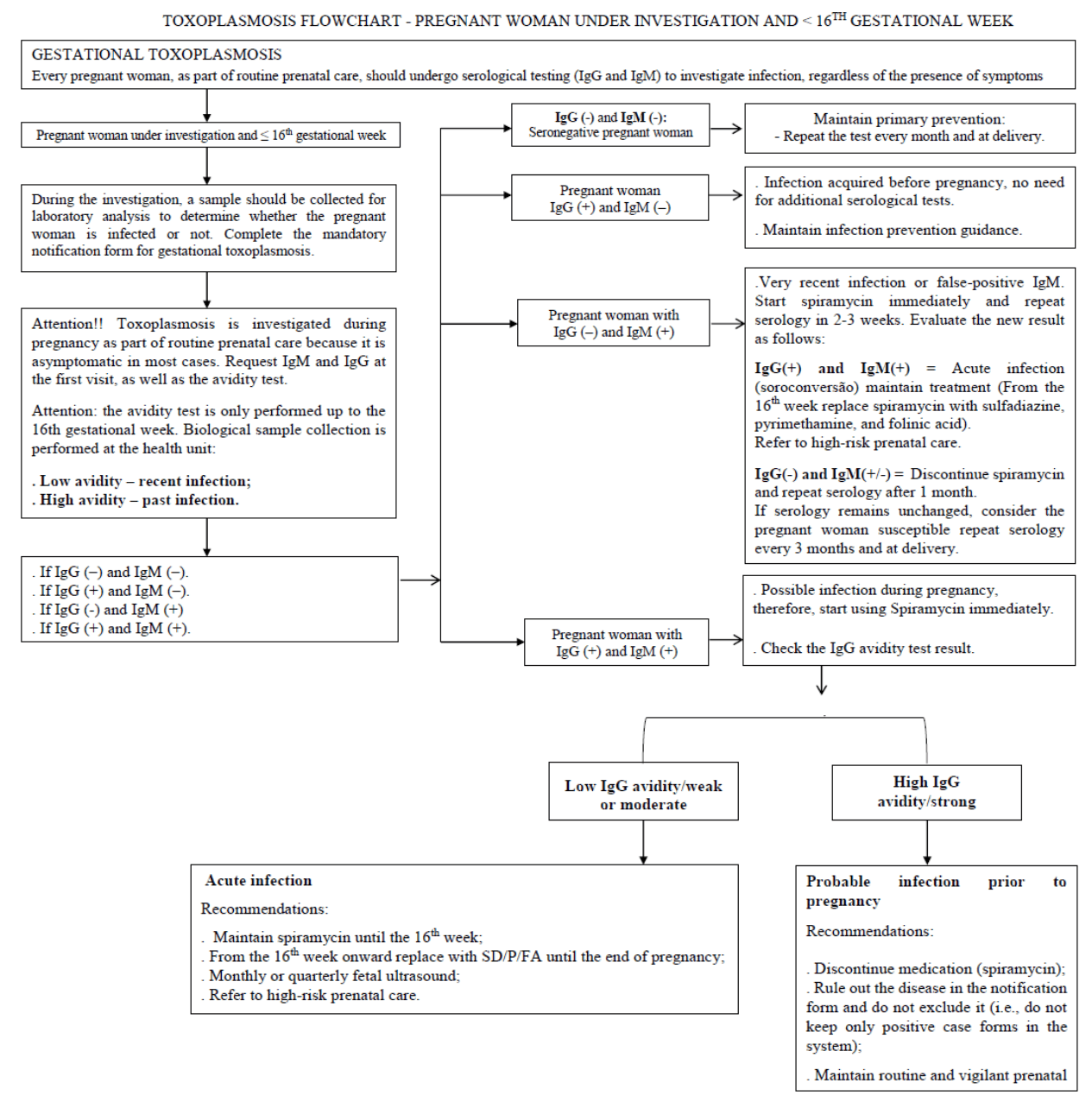
Figure 1 – Toxoplasmosis flow: pregnant woman under investigation and ≤ 16th gestational week. Vitória, ES, Brazil, 2025
Source: prepared by the authors, 2025.
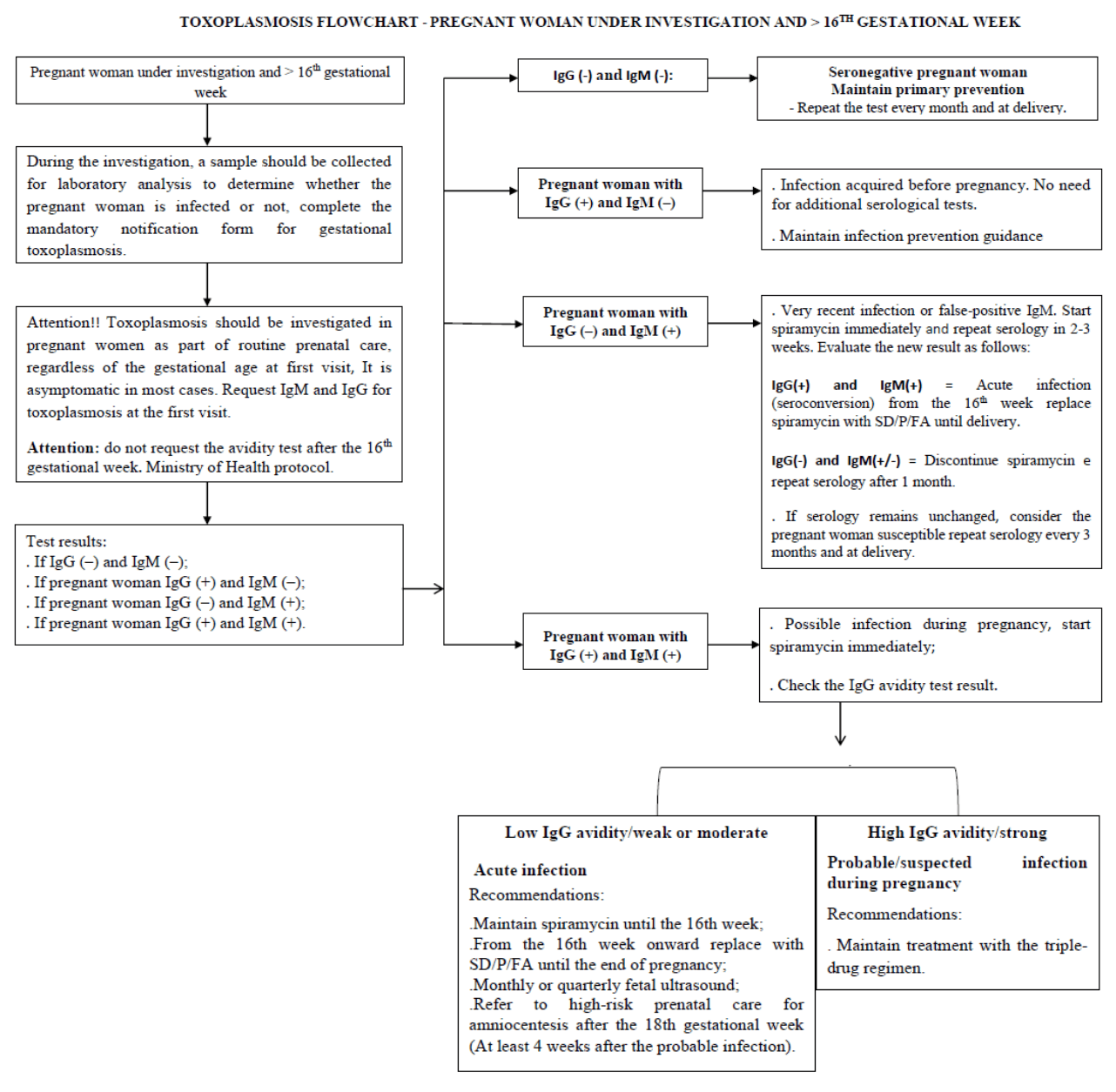
Figure 2 – Toxoplasmosis flow: pregnant woman under investigation and > 16th gestational week. Vitória, ES, Brazil, 2025
Source: prepared by the authors, 2025.
The flowcharts summarized the sequence of information and served as the basis for the development of the script and the chatbot screens. This structure provided a clear view of the simulated dialogues between nurses and the system, favoring the use of humanized language, an essential aspect for the effectiveness of virtual assistants.
After the development and organization of the content, the chatbot development process began. A guided interaction architecture based on previously structured dialogues was adopted for building the tool. This approach enabled continuous editing of the content, organized access to stored information, and clear presentation through the interface. In addition, it enabled intuitive navigation, providing a smoother user experience and facilitating interaction with the system.
To increase user engagement and the sense of realism in the interaction, the main character used was the nurse Flora, a member of the CuidarTech Laboratory. The character has already been used in other technologies developed by the laboratory to improve interaction between technology and the user, making the tools more attractive and promoting more humanized and welcoming communication (Figure 3).
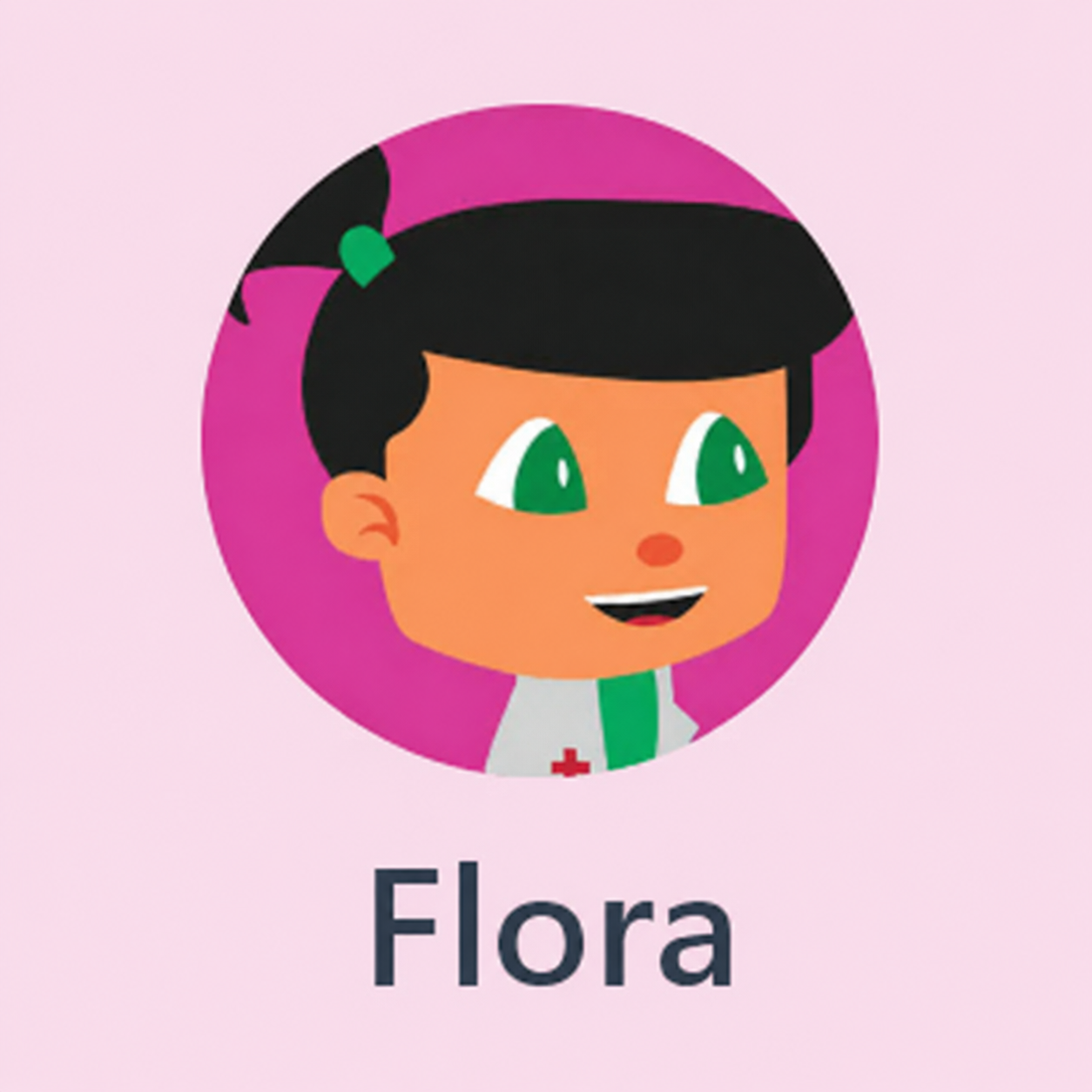
Figure 3 – Caricature of the character Flora from ToxoBot. Vitória, ES, Brazil, 2025
Source: CuidarTech, 2022.
Subsequently, the chatbot modules were developed in screen format following the informational sequence established in the flowcharts. In total, 16 screens were created, designed to optimize human-computer interaction (Figure 4). ToxoBot is available for consultation from https://toxobot.crebs.dev.
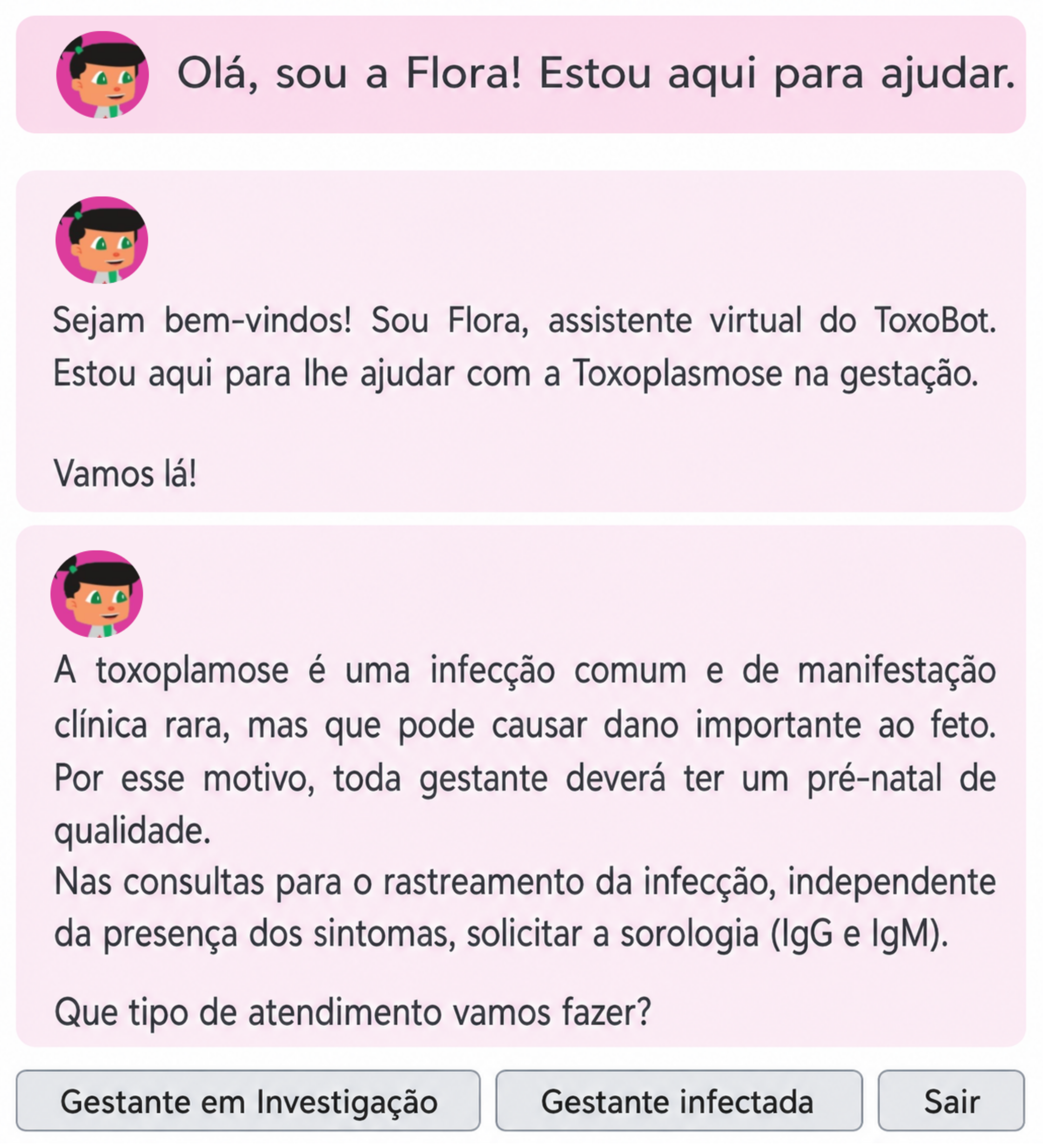
Figure 4 – Human-machine interactions in ToxoBot. Vitória, ES, Brazil, 2025
Source: prepared by the authors, 2025.
In the usability evaluation stage, 15 nurses participated. Most were women (73.3%), with a predominance of age between 31 and 40 years (53.4%). Regarding time since graduation, 53.3% had completed their degree more than 11 years earlier, and 86.7% had a specialization as their highest academic qualification.
Regarding complementary training for the care of pregnant women with toxoplasmosis, only one of the evaluators reported having specific training or updating in this area. Regarding experience in prenatal care, 41.6% of the participants had between 1 and 15 years of clinical practice.
Regarding the usability of ToxoBot, agreement above 80% was observed among evaluators regarding the functionality of the tool, which was considered useful for providing the information necessary for toxoplasmosis screening during care. All participants agreed that the system is easy to use, allowing its application in clinical practice without difficulty.
The system’s functionalities were also well evaluated. More than 83% of the nurses agreed that the features are well integrated and that the presented content is clear and understandable. When asked about frequency of use, 75% stated that they would use ToxoBot regularly, highlighting the tool’s ability to provide direct and synthesized information.
Regarding the learning curve, 91% of the evaluators indicated that they would not encounter difficulties in learning how to use the chatbot and that the tool is aligned with the recommendations of the Brazilian Ministry of Health. The final score assigned to ToxoBot was 80.6 points, classifying its usability as excellent.
DISCUSSION
With advances in computational technologies, particularly in the field of AI, chatbots have become increasingly present in people’s daily lives, especially through instant messaging platforms(17). In the health field, the use of conversational agents represents an emerging technology that is rapidly being incorporated into different care and educational contexts(18).
These systems enable the development of innovative solutions in various environments, offering educational support in a more accessible, user-friendly, intelligent manner(13). Recent studies highlight the positive impact of chatbots in supporting well-being and in the management of chronic diseases, demonstrating that these technologies can expand access to reliable and personalized information(10-12,17-21). In addition to providing guidance and information, chatbots can function as tools to support health management, encouraging disease prevention and the adoption of healthy behaviors(20).
Literature reviews report the use of chatbots to assist patients in managing chronic physical and mental pain as well as to provide guidance on healthy lifestyles and the monitoring of vital signs, such as in pediatric patients with asthma. Applications are also described for the management of conditions such as sexually transmitted infections, obesity, Parkinson’s disease, and cancer(10,18-21).
In the context of prenatal care, chatbots have been used to support pregnant women by providing guidance related to health practices during pregnancy(20). Evidence indicates that the use of these conversational agents can contribute to reducing maternal anxiety and improving adherence to prenatal follow-up(22).
The chatbot ToxoBot presents an innovative approach by focusing on supporting health professionals, especially those working in PHC, by providing specific and updated information on the investigation and treatment of toxoplasmosis during prenatal care. To date, no similar tools specifically directed toward clinical support for the management of this condition have been identified.
Despite the existence of public policies aimed at the care of pregnant women with toxoplasmosis, the management of this condition still represents a challenge for health professionals. Studies demonstrate that physicians and nurses in PHC frequently present knowledge gaps related to the diagnosis, clinical management, and treatment of the disease(7,23). This scenario highlights the need for tools that support clinical practice and contribute to improving the quality of prenatal care, benefiting both the mother and the newborn.
In this context, the use of digital technologies, such as chatbots, emerges as a promising alternative. For nurses and other professionals involved in prenatal care, the availability of technological tools that assist in the systematization of information and in the teaching-learning process is essential for promoting more efficient and evidence-based care(24,25). These technologies can optimize clinical decision-making, reduce response time, and expand the coverage of care, strengthening nursing practice and contributing to improvements in the quality of care(26).
ToxoBot illustrates the potential of digital technologies in transforming clinical practice. Through the use of NLP, the chatbot establishes a dynamic interaction between the health professional and the system, ensuring that the information presented is clear, accessible, and objective(17). By automating interactions and simplifying communication, ToxoBot helps reduce barriers to access to information and supports the appropriate management of toxoplasmosis cases during prenatal care(6-27).
Technologies of this type, by facilitating professionals’ access to investigation steps and therapeutic options for toxoplasmosis, can become important instruments in the organization and qualification of health care(18). The conversational interface used by ToxoBot enables more engaging and interactive interactions, contributing to improvements in clinical practice and in the quality of care.
As a practical contribution, ToxoBot constitutes an interactive digital tool that compiles and organizes the content of the Brazilian Ministry of Health manual on the investigation and treatment of toxoplasmosis during pregnancy. In this way, it facilitates health professionals’ access to the information necessary for managing the disease during prenatal care, reducing the complexity of consulting official documents.
It is expected that the results of this study will contribute to the incorporation of new technologies in the health field, particularly as information systems capable of supporting clinical reasoning, care planning, and the screening of infected pregnant women.
CONCLUSION
This study described the development of the ToxoBot chatbot, designed to support health professionals in the investigation and treatment of toxoplasmosis during pregnancy in prenatal care. The usability evaluation was conducted with 15 nurses, and the system was classified as excellent, with a total score of 80.6 points.
ToxoBot constitutes an innovative tool aimed at promoting knowledge and supporting clinical practice. The technology contributes to facilitating the care process during prenatal consultations by providing appropriate and synthesized information that supports decision-making and improves the effectiveness of care.
As a limitation of the study, the need for internet access to use the tool should be highlighted, which may restrict its use in contexts with connectivity limitations.
Future studies are recommended to evaluate the impact of ToxoBot use in clinical practice, particularly regarding health professionals’ satisfaction and the effectiveness of the technology in the investigation and treatment of toxoplasmosis during pregnancy in prenatal care.
*This article was derived from the Master’s dissertation entitled “Chatbot to support nursing consultations for pregnant women under investigation for toxoplasmosis and those infected,” presented to the Graduate Program in Nursing at Universidade Federal do Espírito Santo, Vitória, Espírito Santo, Brazil, in 2024.
CONFLICT OF INTERESTS
The authors declare that there are no conflicts of interest.
FUNDING
This study was supported by the Coordenação de Aperfeiçoamento de Pessoal de Nível Superior and the Federal Council of Nursing under process no. 8887.69064.2022-00.
REFERENCES
1. Rostami A, Riahi SM, Contopoulos-Ioannidis DG, Gamble HR, Fakhri Y, Shiadeh MN, et al. Acute Toxoplasma infection in pregnant women worldwide: A systematic review and meta-analysis. PLoS Negl Trop Dis. 2019;13(10):e0007807. https://doi.org/10.1371/journal.pntd.0007807. PMID: 31609966.
2. Lozano T da SP, Benitez A, Santos JC, Navarro IT, Nagata WB, Pinto M dos S, et al. Seroprevalence of Toxoplasma gondii and Associated Risk Factors in Pregnant Women in Araçatuba, São Paulo, Brazil: A Multi-Level Analysis. Microorganisms. 2024;12(11):2183. https://doi.org/10.3390/microorganisms12112183. PMID: 39597572.
3. Salari N, Rahimi A, Zarei H, Abdolmaleki A, Rasoulpoor S, Shohaimi S, et al. Global seroprevalence of Toxoplasma gondii in pregnant women: a systematic review and meta-analysis. BMC Pregnancy Childbirth. 2025;25(1):90. https://doi.org/10.1186/s12884-025-07182-2. PMID: 39885489.
4. Silva HF, Silva JC, Ferreira JO, Cecim MMPM, Oliveira LB, Trindade EL. Complicações associadas a toxoplasmose gestacional - congênita: uma revisão integrativa. Res Soc Dev. 2024;13(8):e14813846674. https://doi.org/10.33448/rsd-v13i8.46674.
5. Ministério da Saúde (BR). Secretaria de Atenção Primária à Saúde; Secretaria de Atenção Especializada à Saúde. Nota Técnica Conjunta nº 220/2024-DGCI/SAPS/MS e DAHU/SAES/MS. Dispõe sobre a Rede Alyne, instituída pelas Portarias GM/MS nº 5.350 e nº 5.359, de 12 de setembro de 2024 [Internet]. Brasília: Ministério da Saúde; 2024 [cited 2025 May 25]. Available from: https://www.gov.br/saude/pt-br/centrais-de-conteudo/publicacoes/notas-tecnicas/2024/nota-tecnica-conjunta-no-220-2024-dgci-saps-ms-e-dahu-saes-ms.pdf.
6. Ahmed M, Sood A, Gupta J. Toxoplasmosis in pregnancy. Eur J Obstet Gynecol Reprod Biol. 2020;255:44-50. https://doi.org/10.1016/j.ejogrb.2020.10.003. PMID: 33075679.
7. Inagaki AD de M, Souza IES, Araujo ACL, Abud ACF, Cardoso NP, Ribeiro CJN. Knowledge of toxoplasmosis among doctors and nurses who provide prenatal care. Cogitare Enferm. 2020;26:e70416. https://doi.org/10.5380/ce.v26i0.70416.
8. Azevedo RFL, Morrow D, Graumlich J, Willemsen-Dunlap A, Hasegawa-Johnson M, Huang TS, et al. Using conversational agents to explain medication instructions to older adults. AMIA Annu Symp Proc. 2018;2018:185-194. PMID: 30815056.
9. Gabarron E, Larbi D, Denecke K, Årsand E. What Do We Know About the Use of Chatbots for Public Health?. Stud Health Technol Inform. 2020;270:796-800. https://doi.org/10.3233/shti200270. PMID: 32570492.
10. Luo B, Lau RYK, Li C, Si YW. A critical review of state‐of‐the‐art chatbot designs and applications. WIREs Data Mining Knowl Discov. 2022;12(1):e1434. https://doi.org/10.1002/widm.1434.
11. Battineni G, Chintalapudi N, Amenta F. AI Chatbot Design during an Epidemic Like the Novel Coronavirus. Healthcare (Basel). 2020;8(2):154. https://doi.org/10.3390/healthcare8020154. PMID: 32503298.
12. Silva AB, Correia BR, Zaccaro KR, Campos JF, Souto JS, Adba YB, et al. Development of a chatbot prototype to assess arteriovenous fistula maturation. Acta Paul Enferm. 2023;36:eAPE012322. https://doi.org/10.37689/acta-ape/2023AO0123222.
13. Ministério da Saúde (BR). Nota Técnica Nº 163/2018, 16 de agosto de 2018. Informa aos entes federados acerca da disponibilização dos medicamentos para o tratamento de Toxoplasmose Gestacional e solicitar informações relativas ao consumo desses medicamentos [Internet]. Brasília: Ministério da Saúde; 2018 [cited 2025 Feb 15]. Available from: https://www.saude.sc.gov.br/index.php/pt/servicos/comunidades-terapeuticas/documentos-relacionados/nota-tecnica-n-163-2018-cgafme-daf-sctie-ms/download.
14. Ministério da Saúde (BR). Nota Técnica Nº 133/2022, de 13 de junho de 2023. Trata-se de informações que devem acompanhar a análise de dados das notificações de toxoplasmose adquirida na gestação e toxoplasmose congênita do Sistema de Informação de Agravos de Notificação (Sinan) nos canais de transparência ativa [Internet]. Brasília: Ministério da Saúde; 2022 [cited 2025 Jul 02]. Available from: https://www.gov.br/saude/pt-br/centrais-de-conteudo/publicacoes/notas-tecnicas/2022/nota-tecnica-no-133-2022-cgzv-dedt-svsa-ms.pdf/view.
15. Ministério da Saúde (BR). Secretaria de Atenção Primária à Saúde. Nota Técnica nº 14/2020-COSMU/CGCIVI/DAPES/SAPS/MS: fluxograma da Diretriz Nacional para condução clínica do diagnóstico e tratamento da toxoplasmose gestacional e congênita [Internet]. Brasília: Ministério da Saúde; 2020 [cited 2025 Jul 25]. Available from: https://www.gov.br/saude/pt-br/centrais-de-conteudo/publicacoes/notas-tecnicas/2020/nota-tecnica-no-14-2020-cosmu-cgcivi-dapes-saps-ms.pdf.
16. Brooke J. “SUS—A Quick and Dirty Usability Scale,”. In: Jordan PW, Thomas B, Weerdmeester BA, McClelland AL, editores. Usability Evaluation in Industry. London: Taylor and Francis; 1996.
17. Lin CC, Huang AYQ, Yang SJH. A Review of AI-Driven Conversational Chatbots Implementation Methodologies and Challenges (1999–2022). Sustainability. 2023;15(5):4012. https://doi.org/10.3390/su15054012.
18. Tudor Car L, Dhinagaran DA, Kyaw BM, Kowatsch T, Joty S, Theng Y, et al. Conversational Agents in Health Care: Scoping Review and Conceptual Analysis. J Med Internet Res. 2020;22(8):e17158. https://doi.org/10.2196/17158. PMID: 32763886.
19. Bin Sawad A, Narayan B, Alnefaie A, Maqbool A, Mckie I, Smith J, et al. A Systematic Review on Healthcare Artificial Intelligent Conversational Agents for Chronic Conditions. Sensors (Basel). 2022;22(7):2625. https://doi.org/10.3390/s22072625. PMID: 35408238.
20. Santos Junior JB, Gomes J, Dias JS, Souza LNO, Zanotti ACN, Dias RP, et al. Uma proposta de chatbot para apoio a gestantes no contexto do sistema de saúde brasileiro. Rev Ibér Sist Tecnol Inf. [Internet]. 2021 [cited 2025 Jul 25];(E42):344-52. Available from: https://www.proquest.com/docview/2493869965
21. Mendonça V de M, Mendonça A de M, Maciel N de S, Matos M de F, Sousa IM, Oliveira AWN, et al. Desenvolvimento de chatbot para adolescentes sobre infecções sexualmente transmissíveis. Enferm Foco. 2021;12(3):533-39. https://doi.org/10.21675/2357-707x.2021.v12.n3.4284.
22. Carvalho L, Albuquerque M, Nogueira R, Lochter J. Dra. Lara: assistente virtual de apoio e acompanhamento ao pré-natal. In: Miranda P, Costa C, Isaías P, Santoro FM, editores. Proceedings of the IADIS Ibero American on Applied Computing 2019 [Internet]. Lisboa: IADIS; 2019 [cited 2025 Jul 02]:5–6. Available from: https://www.iadisportal.org/digital-library/dra-lara-assistente-virtual-de-apoio-e-acompanhamento-ao-pr%C3%A9-natal.
23. Mizuhira V, Domingues Wysocki A, Andrade RL de P, Brandão CC. Knowledge of primary healthcare professionals about gestational toxoplasmosis. Arq. Ciên. Saud. 2025;31(01):1-6. https://doi.org/10.17696/2318-3691.31.01.2025.229.
24. Barros DMV, Guerreiro AM. Novos desafios da educação a distância: programação e uso de Chatbots. REP. 2019;26(2):410-431. https://doi.org/10.5335/rep.v26i2.8743.
25. Grassini E, Buzzi M, Leporini B, Vozna A. A systematic review of chatbots in inclusive healthcare: insights from the last 5 years. Univ Access Inf Soc. 2025;24(1):195-203. https://doi.org/10.1007/s10209-024-01118-x.
26. Xue J, Zhang B, Zhao Y, Zhang Q, Zheng C, Jiang J, et al. Evaluation of the Current State of Chatbots for Digital Health: Scoping Review. J Med Internet Res. 2023;25:e47217. https://doi.org/10.2196/47217. PMID: 38113097.
27. Kim H. The Effects of Artificial Intelligence Chatbots on Women's Health: A Systematic Review and Meta-Analysis. Healthcare (Basel). 2024;12(5):534. https://doi.org/10.3390/healthcare12050534. PMID: 38470645.
Submission: 08-Dec-2025
Editors:
Rosimere Ferreira Santana (ORCID: 0000-0002-4593-3715)
Geilsa Soraia Cavalcanti Valente (ORCID: 0000-0003-4488-4912)
Alessandra Conceição Leite Funchal Camacho (ORCID: 0000-0001-6600-6630)
Corresponding author: Eliane de Fátima Almeida Lima (eliane.lima@ufes.br)
Publisher:
Escola de Enfermagem Aurora de Afonso Costa – UFF
Rua Dr. Celestino, 74 – Centro, CEP: 24020-091 – Niterói, RJ, Brazil
Journal email: objn.cme@id.uff.br
