
ORIGINAL ARTICLE
HEALTH INFORMATION NEEDS OF SCHOOL-AGE CHILDREN WITH SICKLE CELL ANEMIA FOR SELF-CARE: A QUALITATIVE DESCRIPTIVE STUDY*
Raquel Castro Santana1,2, Liliane Faria da Silva3
1 Federal Fluminense University, Aurora de Afonso Costa School of Nursing. Niterói, Rio de Janeiro, Brazil. ORCID: 0009-0008-7096-2148. Email: raquelcastro_enf@hotmail.com
2 Hemominas Foundation, Regional Hemocenter of Juiz de Fora. Juiz de Fora, Minas Gerais, Brazil
3 Federal Fluminense University, Aurora de Afonso Costa School of Nursing. Niterói, Rio de Janeiro, Brazil. ORCID: 0000-0002-9125-1053. Email: lilianefaria@id.uff.br
ABSTRACT
Objective: To identify the health information needs of school-age children regarding sickle cell anemia for their self-care. Method: Descriptive field study with a qualitative approach, using individual semi-structured interviews mediated by drawing and audio recording as the data collection technique. The software Interface de R pour Analyses Multidimensionnelles de Textes et de Questionnaires was used for data processing and analysis. Results: Fourteen school-age children participated, and five themes were identified from the interview analysis: management of sickle cell anemia, medication therapy, pain prevention and control, play and dressing, hydration, and nutrition. Conclusion: The findings revealed that children are able to understand how to care for themselves, although they require information from caregivers, nurses, and the multidisciplinary team.
Descriptors: Child; Sickle Cell Anemia; Self-Care; Nursing.
|
How to cite: Santana RC, Silva LF. Health information needs of school-age children with sickle cell anemia for self-care: a qualitative descriptive study. Online Braz J Nurs. 2025;24:e20256875. https://doi.org/10.17665/1676-4285.20256875 |
What is already known:
Children with sickle cell anemia begin self-care during the school years, but still rely on caregivers and professionals to understand and carry out daily practices;
Playful and interactive educational interventions support self-care, yet there is a scarcity of educational technologies tailored to children with sickle cell anemia.
What this article adds:
Maps five informational needs of children: disease management, pharmacological treatment, pain prevention/control, play/clothing, and hydration/nutrition;
Shows that children recognize procedures and medication names but have limited understanding of their purpose, indicating where to focus health education;
Highlights contextual barriers (ex. school restrictions on drinking water) and points to school, health–family integration as key to strengthening children’s self-care.
INTRODUCTION
Sickle Cell Anemia (SCA) is a genetic, hereditary, and chronic condition characterized by the predominance of hemoglobin S (HbS) in red blood cells(1). With rare possibilities for cure, SCA originated on the African continent, where the S gene emerged and, throughout history, spread to various regions worldwide, especially in countries marked by the period of slavery(1-2). In Brazil, the presence of HbS is more significant in the North and Northeast regions, reflecting the intense miscegenation of these areas(3).
Children with SCA experience disease complications early in life. The main cause is vaso-occlusion, resulting from the sickle shape of erythrocytes, which obstructs their passage through small blood vessels. This pathophysiological event is crucial for the development of most clinical complications. Among them, the following stand out: pain crises, leg ulcers, acute chest syndrome, splenic sequestration, priapism, ischemic stroke, retinopathy, and chronic renal failure(2-3).
Children living with SCA begin developing their first self-care actions during the school years, even without a clear understanding of the disease. Self-care is a health-oriented approach based on a holistic perspective, consisting of skills applied to care practices, and when effectively performed, it helps maintain structural integrity and support human development(4).
Among school-age children, self-care practices are still developing, and they need assistance from others to understand the necessity of drinking sufficient fluids, eating properly, wearing adequate clothing for both cold and warm weather, and taking medications at the correct times(5).
For children to achieve a deeper understanding of self-care, nurses, caregivers, and the multidisciplinary team must develop health education initiatives and implement strategies to assist children(6-7). In this context, understanding the informational specificities and needs of the target group is essential. Providing children with adequate means supports effective condition management and fosters the development of skills that enable conscious decision-making regarding their treatment and self-care in the future(8).
A literature review on educational technologies for the self-care of children with SCA highlighted that in Brazil, research focused on this population remains scarce, indicating the need for greater investment in studies about educational technology for these children(9). In this regard, the present study may offer support for creating educational technology based on children’s own perspectives.
Therefore, this study aimed to identify the health information needs of school-age children regarding SCA for their self-care.
METHOD
Ethical aspects
The research was conducted in compliance with the standards established by Resolution No. 466/12 of the National Health Council(10) and was approved by the Human Research Ethics Committees of the Fluminense Federal University, under opinion 6.823.364, and the Hemominas Foundation, under opinion 6.607.734.
To ensure participant confidentiality, superhero names were used for identification.
Type of study
Descriptive research with a qualitative approach. The Consolidated Criteria for Reporting Qualitative Research (COREQ) were applied as appropriate(11).
Study participants
The study involved 14 school-age children, from 6 to 12 years old, according to the following inclusion criteria: having received care at the Hemocenter where the research took place and being accompanied by their legal guardians, who provided authorization for participation. Exclusion criteria included: children with pathologies that made it impossible to respond to the interview or who presented speech difficulties that prevented understanding by the interviewer.
Study setting
The research was conducted in the outpatient clinic of the Regional Hemocenter of Juiz de Fora, which provides care through the Unified Health System. This facility is part of the Hemominas Foundation, responsible for hematology and hemotherapy services in the State of Minas Gerais, serving both blood donors, within the blood cycle, and patients with hemoglobinopathies or coagulopathies, through outpatient services. The team is multiprofessional, consisting of nurses, physicians, a pedagogue, a psychologist, a social worker, a pharmacist, and a dentist, although no nurse appointments are currently offered.
Data source
The interviews were carried out in empty rooms within the outpatient area of the Hemocenter of Juiz de Fora, on the dates scheduled for routine consultations or exsanguineotransfusion (partial blood exchange transfusion). They were conducted in a private environment, attended only by the legal guardian. The scheduling data for each child were previously requested from the nurse, pedagogue, or social worker in charge of the sector.
On the day of the interview, the legal guardians were approached by the researcher, a nurse specialized in Hematology and Hemotherapy and employee of the institution, who works in another department. The researcher explained the objectives of the study, voluntary participation, confidentiality, and obtained informed consent before approaching each child. After acceptance, both were taken to the consultation room for reading and signing of the consent (legal guardians) and assent (children) forms.
The semi-structured interviews were conducted individually, audio recorded, and mediated through drawing. The drawing was not analyzed by the researchers or other professionals but was used as an interaction and engagement tool. The sample size was determined by theoretical saturation, which occurs when additional data no longer contribute relevant information to the study(12).
Data collection and organization
The interviews were carried out between March and April 2024 and guided by a structured script with closed questions. No pilot test was conducted. The script aimed to identify sociodemographic and clinical characteristics of the children and included the following open-ended questions: Talk a little about your treatment here at Hemominas; Tell me what you understand about sickle cell anemia and what happens in your body; What kind of care do you need to take in your daily life?; How do your caregivers help you every day?; What do you think a child undergoing treatment for sickle cell anemia needs to know to take care of their health?
During the drawing activity, the children were asked to illustrate something about their treatment at the institution or to draw freely. The drawings served as a means for the researcher to connect with the children and were not used for analytical purposes.
Each interview and conversation were recorded using both a mobile phone and a battery-operated recorder, with a mean duration of 20 minutes. The recordings were carefully transcribed by the researchers, and no transcripts were returned to the participants for discussion.
Legal guardians remained present during the interviews but were asked not to interfere in the dialogue, considering that the study focused on the children’s self-care.
Data analysis
The interview data were stored and processed using the software Interface de R pour Analyses Multidimensionnelles de Textes et de Questionnaires (Iramuteq), an open-access program offering a wide range of lexicometric tools. It is widely applied in textual statistics for qualitative research interviews(13).
Among the analytical options available, the Descending Hierarchical Classification (DHC), also known as the Reinert method, was used in this study. In this technique, text segments are grouped according to their vocabulary, and the set is partitioned based on the frequency of reduced forms, resulting in a dendrogram that illustrates relationships between classes(14).
The 14 interviews were fully transcribed using Transkriptor, an online automatic transcription software based on artificial intelligence that converts audio and video to text. The transcripts were compiled into a single text file (.txt) with minor language adjustments to preserve the original meaning of the participants’ statements. The corpus was structured in Notepad and then imported into Iramuteq, with participant identification coded using specific commands (lines with asterisks), according to the software configuration.
After corpus creation, the data were processed in Iramuteq, which generated the dendrogram and other analyses. For category development following the Iramuteq analysis, words with a statistical coefficient of χ² ≥ 3.84 were considered relevant, as this value indicates the absence of association between variables(13).
The final Iramuteq output achieved 82.67% retention of text segments used in dendrogram construction.
There was no participant feedback regarding the Iramuteq analysis outcomes in this study.
RESULTS
The study included 14 children aged between 6 and 12 years, all of whom received care at the Regional Hemocenter of Juiz de Fora. Table 1 below presents the characterization of the participating children. These data were collected from legal guardians before the interviews so that the researcher could become better acquainted with the children and gain deeper understanding of each participant’s responses.
Table 1 - Characterization of school-age children with sickle cell anemia. Niterói, RJ, Brazil, 2024. (n=14)
|
Part. |
Age |
Gender |
Comp. |
Rout. Consult |
Exs. Tranf. |
Hosp. |
Surgery |
Medication |
|
Wonder Woman |
6 |
F |
Father |
Yes |
- |
Yes |
No |
Hydroxyurea, Folic Acid, and dipyrone for pain |
|
Storm |
7 |
F |
Mother |
Yes |
- |
Yes |
No |
Folic Acid and dipyrone for pain |
|
Green Lantern |
9 |
M |
Father |
Yes |
- |
Yes |
Yes |
Hydroxyurea, Folic Acid, and dipyrone for pain |
|
Captain Marvel |
6 |
F |
Mother |
- |
Yes |
Yes |
No |
Hydroxyurea, Folic Acid, ASA, and dipyrone for pain |
|
Spider-Man |
7 |
M |
Grandfather |
Yes |
- |
Yes |
No |
Hydroxyurea, Folic Acid, and dipyrone for pain |
|
Superman |
6 |
M |
Mother |
- |
Yes |
Yes |
Yes |
Hydroxyurea, Folic Acid, and dipyrone for pain |
|
Raven |
11 |
F |
Mother |
Yes |
- |
Yes |
No |
Hydroxyurea, Folic Acid, and dipyrone for pain |
|
Captain America |
11 |
F |
Grandfather |
- |
Yes |
Yes |
No |
Hydroxyurea, Folic Acid, and dipyrone for pain |
|
Jean Gray |
8 |
F |
Mother |
- |
Yes |
Yes |
Yes |
Hydroxyurea, Folic Acid, and dipyrone for pain |
|
Flash |
7 |
M |
Mother |
Yes |
- |
Yes |
Yes |
Hydroxyurea, Folic Acid, and dipyrone for pain |
|
Iron Man |
7 |
M |
Mother |
Yes |
- |
Yes |
Yes |
Hydroxyurea, Folic Acid, and dipyrone for pain |
|
Batgirl |
7 |
F |
Mother |
- |
Yes |
Yes |
Yes |
Hydroxyurea, Folic Acid, ASA, and dipyrone for pain |
|
Scarlet Witch |
10 |
F |
Grandmother |
Yes |
- |
Yes |
Yes |
Hydroxyurea, Folic Acid, and dipyrone for pain |
|
Supergirl |
10 |
F |
Mother |
- |
Yes |
Yes |
No |
Hydroxyurea, Folic Acid, dipyrone, and ibuprofen for pain |
Part. = Participant; Comp. = Companion; Rout. Consult = Routine Consultation; Exs. Tranf. = Exsanguineotransfusion; Hosp. = Hospitalization.
Source: Research data.
Among the 14 participants, nine (64.29%) were girls and five (35.71%) were boys. Eight (57.14%) were between six and seven years old, two (14.29%) between nine and ten, and four (28.57%) between ten and eleven. On the interview day, nine (64.29%) children were accompanied by their mothers, two (14.29%) by their fathers, two (14.29%) by their grandfathers, and one (7.14%) by her grandmother, who currently holds legal guardianship. Six (42.86%) underwent exsanguineotransfusion, performed monthly or biweekly, and eight (57.14%) attended routine consultations held bimonthly or quarterly.
All 14 (100%) children had been hospitalized at some point during treatment due to infections and pain. Two (14.29%) had previous stays in the Intensive Care Unit because of sepsis, three (21.43%) had undergone splenectomy, and three (21.43%) cholecystectomy. Two (14.29%) had surgical procedures for brain clot removal due to vaso-occlusion from sickle-shaped cells.
Concerning complications of sickle cell anemia, one (7.14%) child had experienced two ischemic strokes, resulting in right-side body limitations. No children presented neurological sequelae. In relation to medication use: two (14.29%) used acetylsalicylic acid (ASA), 13 (92.86%) were on hydroxyurea (one was awaiting the drug’s arrival at the pharmacy), all (100%) used folic acid, and all took dipyrone as needed for pain.
For interview analysis, the Iramuteq software supported theme identification regarding the health information needs of children with SCA. During corpus importation by Iramuteq, within 33 seconds the following results were obtained: 14 texts; 75 text segments (ST); 557 forms; 2,373 occurrences; 432 active forms; 373 distinct forms; 55 supplementary forms; number of active forms with frequency ≥ 3:118; mean forms per segment: 31.640000; 6 classes; and 82.67% retention of text segments. The corpus was therefore considered satisfactory, since corpus utilization above 75% indicates adequate performance.
Using the DHC method, a dendrogram (Figure 1) was created, featuring a distinct color for each generated class. The classes are interrelated and connected, with the reading performed from top to bottom.
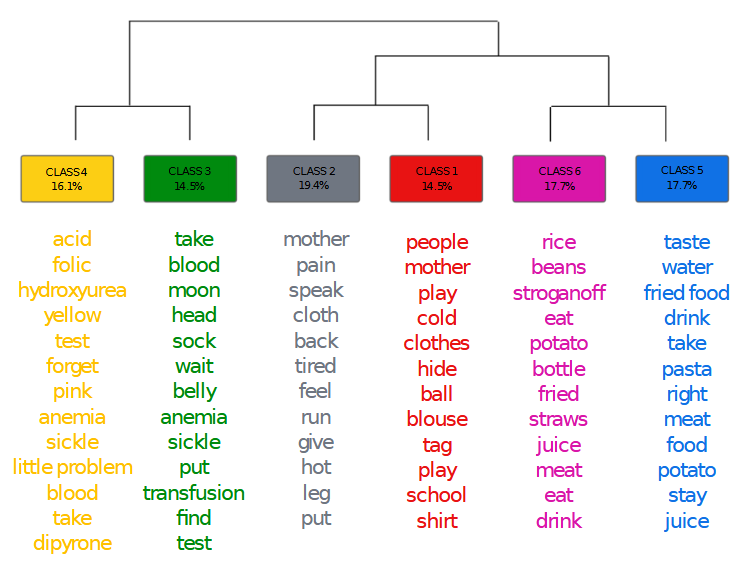
Figure 1 - Dendrogram of DHC. Niterói, RJ, Brazil, 2024. (n=14)
Source: Iramuteq application data from the research.
In this dendrogram, classes three and four present higher semantic associations, with distance observed from classes one and two and from five and six, respectively. After reading and analyzing these classes and text segments, the data were organized into thematic categories addressing the health information needs of children (Table 2).
Table 2 – Themes and information needs. Niterói, RJ, Brazil, 2024. (n=14)
|
Iramuteq Classes |
Associative Words (χ² ≥ 3.84) |
Themes |
Information Needs |
|
Class 3 |
Take Blood Moon Sock Wait Anemia Sickle Transfusion |
Theme 1 Sickle Cell Anemia Management |
Understanding of sickle cell anemia and outpatient monitoring. |
|
Class 4 |
Acid Folic Hydroxyurea Yellow Forget Pink Sickle Anemia Take Dipyrone |
Theme 2 Medication Treatment |
Understanding of medication therapy. |
|
Class 2 |
Mother Pain Speak Cloth Back Dipyrone Tired Feel Hot Leg Put |
Theme 3 Pain Prevention and Control |
Understanding of pain, and ways to prevent and manage it. |
|
Class 1
|
Mom Play Cold Clothes Hide Ball Blouse |
Theme 4 Daily Life with Sickle Cell Anemia: Play and Dressing |
Understanding of the importance and care during play and dressing on hot and cold days. |
|
Classes 5 and 6 |
Water Rice Beans Fried Food Drink Eat Pasta Stroganoff Potato Fried Juice |
Theme 5 Hydration and Nutrition |
Understanding of hydration and healthy diet in sickle cell anemia. |
Source: Iramuteq application data from the research.
In Theme 1, most participating children showed a somewhat limited understanding of sickle cell anemia. Some mentioned only the name of the disease and said they did not know anything about it, others described having a “little problem” in their blood or said their blood looked like a half-moon, and one child stated that sickle cell anemia was a virus:
Because I have sickle cell anemia, but I don’t understand it. (Batgirl, 7 years old)
I have sickle cell anemia... It’s moon-shaped blood. (Captain America, 11 years old)
It’s because I have sickle cell anemia... It’s a little blood problem. (Supergirl, 10 years old)
I get treated for sickle cell anemia... It’s a virus. (Superman, 6 years old)
The children spoke about their frequent visits to the Hemocenter for checkups, exams, and blood transfusions (Figure 2). Many said they go there to draw blood for tests, and some mentioned partial exsanguineotransfusion “they take blood out and put another one in”, which made clear their understanding of the procedure performed at the Hemocenter. The following quotes express that:
I keep waiting, sometimes I go... to draw blood and then I go see my doctor so she can see how I’m doing, and when I have tests, I go there so she can look at them. (Raven, 11 years old)
They take blood out and put blood in, and I also have blood tests. (Jean Grey, 8 years old)
We take the blood out, it’s contaminated, then we put new blood here in the vein, then it’s the serum, then we put on the bandage, and sometimes there’s a lollipop, and then I go home... Contaminated by a virus. (Superman, 6 years old)
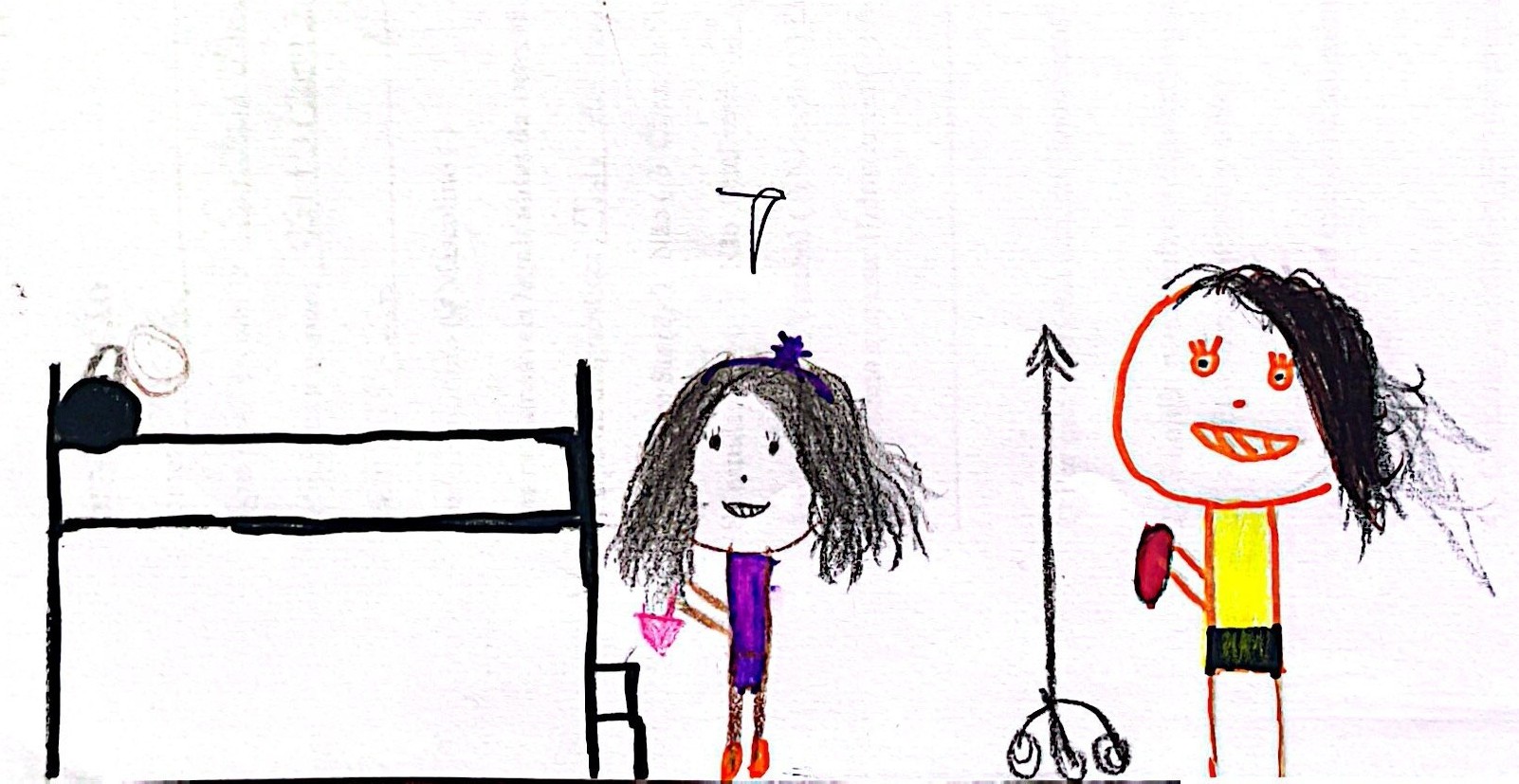
Figure 2 – Drawing made by Captain America about partial exsanguineotransfusion.
Niterói, RJ, Brazil, 2024. (n=14)
Source: Drawings made by the children during the interview.
Only two children said they undergo transcranial Doppler exams, frequently used to detect the possibility of ischemic stroke and to help doctors decide whether partial exsanguineotransfusion should be prescribed.
I think I have that test... That thing for the head. (Captain America, 11 years old)
The doctor checks my belly, my feet, and if not, my head. (Wonder Woman, 6 years old)
In Theme 2, some children forgot the name of their medication, but many could name it accurately.
Folic acid for sickle cell anemia. (Storm, 7 years old)
It’s... hydroxyurea and folic acid... I also take dipyrone when I’m in pain. (Captain America, 11 years old)
Dipyrone... I don’t remember the others... There are two more. (Captain Marvel, 6 years old)
Folic acid and Oxaléia. (Scarlet Witch, 10 years old)
Many children mentioned the color when talking about their medicines. It is worth noting that folic acid is yellow, hydroxyurea is blue and pink, ASA can be orange, and dipyrone is white.
First the yellow one, then the big one. (Wonder Woman, 6 years old)
I take... It’s that long one and the round one... I’m trying to remember their names... They’re yellow and that long one is pink and gray. (Scarlet Witch, 10 years old)
The one I forgot the name of is pink and blue. Folic acid is yellow. And the one I also forgot is pink. (Supergirl, 10 years old)
Few children knew what the medicines were for, though some tried to explain:
Ah... folic acid is a little vitamin. But now... hydroxyurea, I don’t know. (Captain America, 11 years old)
Hydroxyurea is to help me grow a little. And folic acid is to help me take care of myself. (Scarlet Witch, 10 years old)
To get better... to help with the pain. (Green Lantern, 9 years old)
In Theme 3, most children mentioned pain as a symptom of sickle cell anemia.
I feel pain... yeah... headache. And earache, because the boys keep yelling in class. (Superman, 6 years old)
My arm, my back, my belly hurt. (Spider-Man, 7 years old)
I have pain from sickle cell anemia... In my back, my arm, my leg. (Raven, 11 years old)
When asked how they relieve the pain, many said they tell their parents, who give them dipyrone or put a warm cloth where it hurts.
I also take dipyrone... What helps to ease the pain is usually dipyrone. (Captain America, 11 years old)
I tell my mom... she gives me dipyrone... and puts a warm cloth when I’m in a lot of pain... sometimes on my back. (Batgirl, 7 years old)
I take medicine, my mom gives me a massage and puts a warm cloth. (Spider-Man, 7 years old)
For pain control and prevention, some mentioned avoiding running too much and staying hydrated, while others said they stay still until the pain goes away.
I stay still, playing on my phone. (Wonder Woman, 6 years old)
Don’t run too much, drink plenty of water... Don’t walk around too much in the sun, don’t stay in the water too long, don’t stay out in the cold. (Captain America, 11 years old)
We can’t run too much, if we feel pain, we tell our mom so she gives us dipyrone. (Batgirl, 7 years old)
In Theme 4, when asked about their favorite games (Figure 3), children gave different answers.
Tag and hide-and-seek... tag on the playground. (Wonder Woman, 6 years old)
I like to play ball... hide-and-seek and with toy cars. (Green Lantern, 9 years old)
With dolls... I play a lot at school... tag and hula hoop. (Captain Marvel, 6 years old)
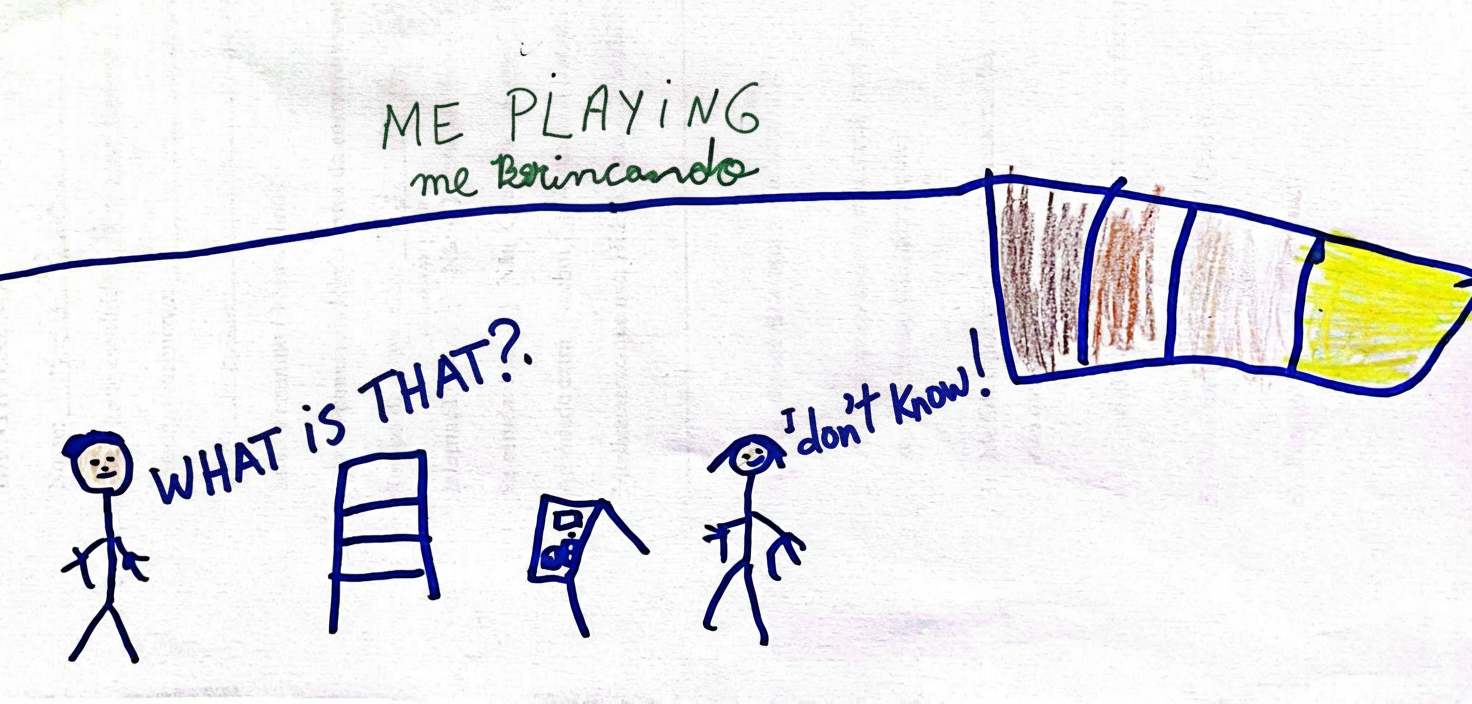
Figure 3 – Drawing made by Iron Man about games in the institution’s playroom.
Niterói, RJ, Brazil, 2024. (n=14)
Source: Drawings made by the children during the interview.
When asked about the consequences of running too much while playing, some said they get tired and when that happens, they drink water and rest; others said they feel pain; some said they fall down; and one said that if she runs too much, she faints.
I get tired and faint. (Storm, 7 years old)
I get tired and sometimes I feel pain. (Green Lantern, 9 years old)
I have a physical education teacher, but I already told him I can’t run. Then he said I can run just a little. If I get tired, I can leave the game... I get tired... I sit down and rest. (Supergirl, 10 years old)
About clothing for hot and cold weather, all children answered unanimously about the right type of clothing for both climates.
In hot weather, I wear lighter clothes... In cold weather, I wear warm ones. (Wonder Woman, 6 years old)
Warm clothes in the cold, shorts and a T-shirt in the heat. (Storm, 7 years old)
As for the importance of using the right clothes, only two children knew the reason; most answered “I don’t know”.
If I get too cold, I feel pain. But when it’s really hot, I don’t think that matters. (Captain America, 11 years old)
It’s because when it’s cold, I can’t be in the cold because I feel pain. (Scarlet Witch, 10 years old)
In Theme 5, most children said they drink water regularly both at home and at school. Only one said she does not like water and never drinks it, choosing instead other beverages like juice and smoothies.
A lot of water at home and at school. (Storm, 7 years old)
I drink a lot of water... a lot. (Green Lantern, 9 years old)
I don’t like water... I don’t drink it... With meals I drink juice... At school, I drink chocolate milk, juice, papaya smoothie, watermelon smoothie, any smoothie. (Scarlet Witch, 10 years old)
Some could explain why drinking water is important, and one of the most interesting remarks came from Scarlet Witch herself, who previously said she dislikes water but understands its importance for sickle cell anemia.
Yeah, because I have a lot of sickle cell anemia. (Scarlet Witch, 10 years old)
To hydrate the body. (Batgirl, 7 years old)
It’s to take blood tests. (Captain Marvel, 6 years old)
Because if I don’t drink it, I’ll die of dehydration. (Supergirl, 10 years old)
If I get tired, I drink water. (Spider-Man, 7 years old)
During the interview, one child’s response led to the following question: Do teachers allow you to drink water during class? Or go to the bathroom?
[...] But the teachers don’t let me leave... During the first period, I can’t, but I have to go. And during the fourth period, I can’t either... They don’t let us go to the bathroom. It’s the same with water... So I can only go at recess or when class is over. (Raven, 11 years old)
Usually, I fill up my bottle. Sometimes my classmates go and say, you want me to fill your bottle? Then I say yes. (Captain America, 11 years old)
Regarding favorite foods, answers were diverse. Few said they eat fruits and vegetables, either at home or school.
Stroganoff, potato, rice, and beans... At school, I eat chips, juice, and cookies... Cookies and food. (Wonder Woman, 6 years old)
I like eating stroganoff, shoestring potatoes, salad with chicken, and I also like mayonnaise... At school, I eat melons that my mom sends me. And sometimes I eat at school when they have something tasty. (Batgirl, 10 years old)
Many said they like fried food but seemed to understand they shouldn’t eat it every day.
I like fried food, but I don’t eat much, and I also like candy, but I don’t eat much. (Storm, 7 years old)
I like fried food... and I like fat too. I love fat. (Superman, 7 years old)
DISCUSSION
Studies agree that children with sickle cell anemia (SCA) require continuous care, which should be provided by health professionals, caregivers, and the individual, initially under supervision and assistance, and later autonomously during their growth and development with the acquisition of cognitive and motor skills(14-15).
Orem’s Self-Care Theory is a nursing practice applicable to patients with SCA, demonstrating that daily activities performed by the individual will bring benefits to life maintenance, health, and well-being. However, children do not yet perceive what self-care is nor realize that they perform it daily; it is during childhood that these habits and ways develop until adolescence, when self-care is in constant formation(16).
During the interviews, few children demonstrated understanding of the disease. Thus, it is perceived that understanding SCA pathophysiology for this audience can be complex, as it involves many processes in the human body leading to the sickle shape of erythrocytes(17). Therefore, although comprehension may be difficult for the pediatric population, information needs about the disease are essential and such clarification can be developed and evolve into more intricate forms through school-age years.
The same applies to partial exsanguineotransfusion, medications, and routine exams. These refer to treatments for SCA, whose explanations can be complicated for children, but knowing what they ingest or what happens in their body is crucial regardless of age.
Hence, medications such as folic acid and hydroxyurea (HU), the most used in Brazil for SCA(3), must be explained to schoolchildren from an early age. Also known as vitamin B9, folic acid assists erythrocyte production, and since SCA patients have high erythrocyte destruction, the body requires elevated vitamin levels(18-19), which is also present in spinach, avocado, liver, and eggs(3,18). HU increases fetal hemoglobin (HbF) production, raising healthy erythrocyte concentration in the bloodstream(1,3) although an antineoplastic, it has become widely used worldwide for SCA(1).
Routine exams serve to assess potential complications that may have occurred or may develop. Research highlights the most commonly performed exams as blood tests for possible complications, physical exams, transcranial Doppler, and vital signs(3). During interviews, many children showed understanding of these exams and procedures but still lack information delivered in playful and didactic ways to gradually integrate this knowledge into their routines.
In this research, when addressing self-care specifically, appropriate clothing for hot and cold weather was an important topic, often neglected when considering information needs. Some authors report that exposure to cold or humidity (heat and sweating) in SCA can worsen pain crises or even trigger pain episodes due to vasoconstriction(6,15-16), hence the need for children to understand why they must use appropriate clothing.
In relation to play, children enthusiastically described their favorite games. In childhood, playing aids development of cognitive, physical, psychic, and emotional aspects. Playing initiates children's creative processes by constructing a story with plots and characters, reinvented daily(20-21). Interviewed children have an active playful life, but activities that cause excessive fatigue or physical strain may overload blood vessels, impair oxygenation, and cause dehydration, pain, or fainting(5). Thus, informing schoolchildren about play safety and hydration is essential.
Some studies emphasize water as extremely important in SCA, as vaso-occlusion episodes are mitigated by improved blood circulation and erythrocyte hydration, considering that sickled cells are chronically dehydrated(22). The same applies to proper nutrition, as SCA accelerates metabolism due to erythrocyte destruction, anemia, and vessel obstruction, causing elevated metabolic and energy expenditure, leading to hypophagia and malnutrition(3,21).
An important factor evident from the interviews is school impact on children's quality of life. Some children reported teachers do not allow drinking water or bathroom breaks, often due to educators’ lack of knowledge about the disease severity and consequences of restricting hydration. Therefore, support networks between schools and hematology centers should be promoted to educate other audiences and sustain self-care promotion in children.
Information demands for schoolchildren with SCA must be met continually by nursing or multidisciplinary teams using information materials such as booklets, videos, comics, among others. Understanding and developing self-care is a fundamental step in each child's life.
Limitations include that the study was conducted in only one public institution with low attendance volume, even though it is the regional reference center; thus, statewide and national extrapolation is limited. Regarding implications, the study shows that research involving children with chronic diseases is essential for integrating self-care into their daily lives.
CONCLUSION
Interviews with schoolchildren enabled identification of health information needs impacting this group during childhood with the disease, related to disease understanding and main daily self-care practices such as hydration, healthy eating, play, clothing for different climates, and initiation of common SCA medications.
This study found children often excluded from explanations about treatments and invasive procedures, which are directed to caregivers. Nevertheless, during interviews, children demonstrated good understanding of information given to them.
Information requests from nurses, caregivers, and multidisciplinary teams for schoolchildren are critical to introduce self-care into children’s routines. Everyone must understand children should assume some responsibility for their self-care to grow into conscientious adolescents and adults who help disseminate knowledge about their disease. Forming support groups linking schools and health services also improves children's quality of life.
This research is part of the authors’ master’s dissertation phase, with an educational video created to promote self-care to the pediatric audience.
*Paper extracted from the Master’s Dissertation entitled “Elaboração e validação de vídeo educativo para o autocuidado de crianças escolares com anemia falciforme” [Development and validation of an educational video for the self-care of school-age children with sickle cell anemia], presented to the Postgraduate Program Professional Master’s Program in Nursing Care at the Federal Fluminense University, Niterói, Rio de Janeiro, Brazil, in 2025.
ACKNOWLEDGMENTS
To all children with sickle cell anemia and their caregivers attending the Regional Hemocenter outpatient clinic of Juiz de Fora, MG, Brazil, who agreed to participate in this research.
CONFLICT OF INTEREST
The authors declare no conflict of interest.
FUNDING
This study was supported by the Research Support Foundation of Minas Gerais State (FAPEMIG). Published in the Official Gazette of Minas Gerais: YEAR 132, No. 124, June 28, 2024, p. 37.
1. Bender MA, Carlberg K. Sickle Cell Disease. In: Adam MP, Feldman J, Mirzaa GM, Pagon RA, Wallace SE, Bean LJH, et al., editores. GeneReviews® [Internet]. Seattle (WA): University of Washington, Seattle; 2023 [cited 2024 Dec 03]. Available from: http://www.ncbi.nlm.nih.gov/books/NBK1377/
2. Pimentel BT, Neves EM, Pires FF. “Sem um pingo de cor”: experiências de crianças e adolescentes com a Doença Falciforme na Paraíba. Desidades [Internet]. 2021 [cited 2024 Dec 16];(29):82-99. Available from: https://pepsic.bvsalud.org/pdf/desi/n29/n29a06.pdf
3. Brasil. Ministério da Saúde. Portaria Conjunta SAES/SECTICS nº 16, de 1º de novembro de 2024. Aprova o Protocolo Clínico e Diretrizes Terapêuticas da Doença Falciforme. Diário Oficial da União. 2024; Nov. 22.
4. Santana PFP, Paiva EM das C, Souza TL de, Silva JV da, Fava SMCL, Dázio EMR. Aplicabilidade da teoria do autocuidado em crianças com Transtorno do Espectro Autista. Rev. Eletrônica Acervo Saúde. 2024;24(10):e17768. https://doi.org/10.25248/reas.e17768.2024
5. Nascimento L de CN, Souza TV de, Oliveira IC dos S, Morais RDCM, Andrade MAC. Internalization of care: a qualitative study with schoolchildren living with sickle cell disease. Esc. Anna Nery (Online). 2021;25(1):e20190337: https://doi.org/10.1590/2177-9465-EAN-2019-0337
6. Santos JBF dos, Franzoi MAH, Cossul MU, Amaral FMG de S, Morais R de CM de. Autocuidado em crianças e adolescentes com doenças crônicas: revisão integrativa. Foco (Vila Velha). 2023;16(10):e3038. https://doi.org/10.54751/revistafoco.v16n10-045
7. Oliveira PP de, Gesteira ECR, Souza RL de, Paula NCP de, Santos LC, Santos WJ dos, et al. Educational technology on COVID-19 for families of children and adolescents with sickle cell disease. Rev Bras Enferm. 2021;74(Suppl 1):e20201045. https://doi.org/10.1590/0034-7167-2020-1045
8. Weissheimer G, Mazza V de A, Freitas CASL, Silva SR da. Informational support for families of children with autism spectrum disorder. Rev Gaucha Enferm. 2021;42:e20200076. https://doi.org/10.1590/1983-1447.2021.20200076
9. Santana RC, Silva LF da, Gama P da SM da, Nascimento L de CN, Silveira ALD da, Moraes JRMM de. Educational technologies for the self-care of children with sickle cell anemia: an integrative review. Cogit. Enferm. (Online). 2024;29:e94919. https://doi.org/10.1590/ce.v29i0.94919
10. Brasil. Ministério da Saúde. Conselho Nacional de Saúde. Resolução nº 466, de 12 de dezembro de 2012. Aprova as diretrizes e normas regulamentadoras de pesquisas envolvendo seres humanos. Diário Oficial da União. 2013; Jun. 13.
11. Souza VR dos S, Marziale MHP, Silva GTR, Nascimento PL. Translation and validation into Brazilian Portuguese and assessment of the COREQ checklist. Acta Paul. Enferm. (Online). 2021;34:eAPE02631. http://dx.doi.org/10.37689/acta-ape/2021AO02631
12. Naeem M, Ozuem W, Howell K, Ranfagni S. Demystification and Actualisation of Data Saturation in Qualitative Research Through Thematic Analysis. Int J Qual Methods. 2024;23:16094069241229777. https://doi.org/10.1177/16094069241229777
13. Sousa YSO, Gondim SMG, Carias IA, Batista JS, Machado KCM de. O uso do software Iramuteq na análise de dados de entrevistas. Pesqui. Prát. Psicossocialis [Internet]. 2020 [cited 2024 Dec 16];15(2):1-19. Available from: http://www.seer.ufsj.edu.br/revista_ppp/article/view/e3283
14. Dias JGR, Nogueira RMTBL, Esteves GGL. Anemia falciforme e as consequências nas funções executivas: avaliação em crianças de 6-11 anos. Psico (Online). 2021;52(2):e35786. https://doi.org/10.15448/1980-8623.2021.2.35786
15. Lima DS de, Figueiredo SV, Silva ACA da, Rodrigues MENG, Vasconcelos SS, Menezes CP da SR, et al. Desafios enfrentados pelas pessoas com doença falciforme nas situações de crise: entraves nos serviços de emergência. Res Soc Dev. 2021;10(5):e45410515078. https://doi.org/10.33448/rsd-v10i5.15078
16. Gonçalves GM, Guarda KP da S, Amaral FMG de S, Boeckmann LMM, Morais R de CM de. O conhecimento sobre o autocuidado de crianças e adolescentes com fibrose cística. Foco (Vila Velha). 2023;16(6):e2237. https://doi.org/10.54751/revistafoco.v16n6-063
17. Paiva GS, Morais R de CM de, Martins G, Nascimento L de CN. O conhecimento de crianças e adolescentes com anemia falciforme sobre seu autocuidado. Res Soc Dev. 2022;11(7):e27311729934. https://doi.org/10.33448/rsd-v11i7.29934
18. Nnajekwu UC, Nnajekwu CO, Onukwuli VO, Chukwu BF, Ikefuna AN, Emodi IJ. Folate levels in children with sickle cell anaemia on folic acid supplementation in steady state and crises at a tertiary hospital in Enugu, Nigeria: a prospective, comparative study. Malawi med. j. (Online). 2022;34(2):132-137: https://doi.org/10.4314/mmj.v34i2.9
19. Williams BA, McCartney H, Adams E, Devlin AM, Singer J, Vercauteren S, et al. Folic acid supplementation in children with sickle cell disease: study protocol for a double-blind randomized cross-over trial. Trials. 2020;21(1):593. https://doi.org/10.1186/s13063-020-04540-7
20. Santana EA, Rufino IC, Silva JP da, Santos R de A. O brincar no desenvolvimento infantil. Revista Ibero-Americana de Humanidades, Ciências e Educação. 2022;8(2):1344-1354. https://doi.org/10.51891/rease.v8i2.4373
21. Ranyere J, Matias NCF. A Relação com o Saber nas Atividades Lúdicas Escolares. Psicol. (Cons. Fed. Psicol., Online). 2023;43:e252545. https://doi.org/10.1590/1982-3703003252545
22. Purnell MC, Rayborn M. Novel hydration and nutritional strategies for sickle cell disease. EJHaem. 2020;1(1):230-234. https://doi.org/10.1002/jha2.9
Submission: 03-Jan-2025
Editors:
Rosimere Ferreira Santana (ORCID: 0000-0002-4593-3715)
Geilsa Soraia Cavalcanti Valente (ORCID: 0000-0003-4488-4912)
Corresponding author: Raquel Castro Santana (raquelcastrosantana@id.uff.br)
Publisher:
Escola de Enfermagem Aurora de Afonso Costa – UFF
Rua Dr. Celestino, 74 – Centro, CEP: 24020-091 – Niterói, RJ, Brazil
Journal email: objn.cme@id.uff.br
