
REVIEW ARTICLE
STRATEGIES FOR HEALTH LITERACY RELATED TO SEXUALLY TRANSMITTED INFECTIONS: SCOPE REVIEW
Larissa Müzel de Sousa1, Lucas Cardoso dos Santos2, Samantha Ribeiro3, Juliane Andrade1
1 São Paulo State University Júlio de Mesquita Filho (Unesp), Botucatu, SP, Brazil
2 Federal University of São Paulo (Unifesp), São Paulo, SP, Brazil
3 Family Health Association, UBS/AMA Integrada Vila Barbosa, São Paulo, SP, Brazil
ABSTRACT
Objective: To map the strategies of health literacy aimed at sexually transmitted infections performed by patients and health professionals. Method: Scope review that followed the recommendations of the Joanna Briggs Institute, with searches performed in the databases: Latin American and Caribbean in Health Sciences, Scientific Electronic Library Online, Web of Science, Scopus, Cumulative Index to Nursing and Allied Health Literature, National Library of Medicine National Institutes of Health, Embase, Google Scholar and ProQuest. Results: Nineteen studies comprised the final sample with a greater representation of those developed in the United States of America and published in 2022. Health literacy strategies developed by patients and health professionals are carried out in different ways, causing clinical, relational, and intellectual benefits, applying scales for evaluation, in which health education activities are more frequent. Conclusion: Health literacy is a technology of care necessary for the promotion of health at the individual and collective level, for patients and health professionals, with regard to sexually transmitted infections, because it allows informed decision-making, empowerment, and autonomy.
Descriptors: Health Literacy; Sexually Transmitted Infections; Health Promotion.
|
How to cite: Sousa LM, Santos LC, Ribeiro S, Andrade J. Strategies for health literacy related to sexually transmitted infections: scope review. Online Braz J Nurs. 2025;24:e20256821. http://doi.org/10.17665/1676-4285.20256821 |
INTRODUCTION
Sexually Transmitted Infections are among the most frequent public health problems in Brazil and worldwide. Every day more than 1 million new cases of curable Sexually Transmitted Infections are registered worldwide among people aged 15 to 49 years, with this value equivalent to more than 376 million new cases of chlamydia, gonorrhea, syphilis and trichomoniasis annually(1-2). In addition, in 2021, in Brazil, of the notifiable diseases, 40,880 were related to HIV infection, 11,238 deaths due to aids, 167,523 of acquired syphilis, 74,095 of syphilis in pregnant women, 27,019 of congenital syphilis and 192 deaths from congenital syphilis(3-4).
Sexually Transmitted Infections have a profound impact on the health of the population, since, if they are not diagnosed and treated in a timely manner, they can evolve to severe complications, in the short and long term(1). In addition to the physical consequences, Sexually Transmitted Infections diagnoses have social and psychological impacts, before an established culture, with strong association with stigma, guilt, discrimination, domestic violence, among other violences (1-2).
Health Literacy (HL) becomes relevant in terms of the promotion, prevention, diagnosis and treatment of Sexually Transmitted Infections, since its definition lies in the capacity that an individual has to find, understand, communicate, interpret, use information and seek care in order to make appropriate decisions related to his or her well-being(5-6). However, it is important to highlight that HL is not the same as health education, but rather the result of the same (7).
In Saudi Arabia, more than 40% of respondents in a survey were unaware of transmission, prevention and problems associated with HPV infection(8). Thus, HL in relation to Sexually Transmitted Infections is presented as a protective component, since lower levels of literacy are directly linked to the lack of adherence to treatment and the decrease in the understanding and knowledge that an individual has of his or her own health(9).
Health professionals play an important role in promoting HL, as they are considered an essential source of information, guidance and training for patients and family members. On the other hand, they present few skills and attitudes in the recognition of patients and families with low HL levels (10-11), directly interfering with the quality of care provided.
Thus, investigating the HL strategies aimed at Sexually Transmitted Infections can contribute to enhance the actions of health promotion, prevention and protection, as well as providing care technologies to professionals with a view to increasing the autonomy and empowerment of users, individually and collectively, in health care. Therefore, the study herein intends to map the strategies of HL aimed at sexually transmitted infections performed by patients and health professionals.
METHOD
This is a scope review that aims to map the main concepts that support a research field and provide an overview of the existing evidence, presenting an exploratory and descriptive character(12). It was conducted according to the method proposed by Joanna Briggs Institute (JBI) for scope reviews(12) and reported based on the guidelines Preferred Reporting Items for Systematic Reviews and Meta-Analyses Extension for Scoping Reviews (PRISMA-ScR)(13). The protocol was registered on the Open Science Framework (OSF) platform on October 17th, 2023 (Register ID: osf.io/9fbh7) with the Digital Object Identifier (DOI): https://doi.org/10.17605/OSF.IO/S7VMG
The scope review consists of nine steps: 1 “To define and align the objective and the question; 2. To develop and align the inclusion criteria with the objective and question; 3. To describe the planned approach to search, selection, data extraction and evidence presentation; 4. looking for evidence; 5. selecting the evidence; 6. extracting evidence; 7. evidences analysis; 8. presentation of results; and 9. To summarize the evidences regarding the purpose of the review, draw conclusions and observe any implications of the conclusions”(12).
A preliminary search was conducted in the Prospective Register of Systematic Reviews (PROSPERO), Medline (PubMed), Cochrane Database of Systematic Reviews, JBI Evidence Synthesis and OSF. Systematic reviews or scope reviews published or ongoing on the subject have not been identified.
PCC mnemonic strategy was considered: P (Population = patients and health professionals); C (Concept = HL); C (Context = sexually transmitted infections). The review question was: what HL strategies aimed at sexually transmitted infections are carried out by patients and health professionals?
This scope review included studies in full, quantitative, qualitative, and mixed methods, as well as editorials, texts, and opinion articles. In addition, any documents that applied HL scales or those that used strategies with the intention of stimulating the autonomy of the participants and capturing the benefits arising from these, according to the reference of HL(7), as protocols, guidelines, booklets, institutional documents, reports, conference articles, and other relevant materials were also considered for inclusion. Temporal, linguistic, and geographic cutouts were not considered for the search with the objective of expanding the results of the review. The exclusion criteria were based on articles that did not address HL strategy in Sexually Transmitted Infection; not available in full, despite unsuccessful attempts with the authors.
Initially, a search was performed in PubMed and CINAHL (EBSCO) to identify articles on the topic, followed by an analysis of the words of the text contained in the title and in the abstract, and the index terms used to describe the articles. This stage informed the search strategy based on the descriptors in Health Sciences (DeCS) and Medical Subject Headings (MeSH), combined by the Boolean operators “OR” and “AND”, adapted to databases: National Library of Medicine National Institutes of Health (PubMed), Latin American and Caribbean in Health Sciences (LILACS), Scientific Electronic Library Online (SciELO), Web of Science, Scopus, Cumulative Index to Nursing and Allied Health Literature (CINAHL), and Embase (Elsevier). The gray literature was researched from Google Scholar, first 80 findings, and ProQuest, with active filter for dissertations and theses (Figure 1). It is reiterated that the selection of databases was based on its relevance and wide coverage of publications in the health area, as well as its indexing process.
|
Databases |
Search strategy |
|
National Library of Medicine National Institutes of Health (PubMed) |
(“Health Literacy” OR “Literacy, Health”) AND (“Sexually Transmitted Diseases” OR “Disease, Sexually Transmitted” OR “Diseases, Sexually Transmitted” OR “Sexually Transmitted Disease” OR “Venereal Diseases” OR “Disease, Venereal” OR “Diseases, Venereal” OR “Venereal Disease” OR STDs OR “Sexually Transmitted Infections” OR “Infection, Sexually Transmitted” OR “Infections, Sexually Transmitted” OR “Sexually Transmitted Infection” OR “Transmitted Infection, Sexually” OR “Transmitted Infections, Sexually” OR Sexually Transmitted Infections OR STI) |
|
Latin American and Caribbean Health Sciences (LILACS) |
(letramento em saúde OR health literacy OR cultura em saúde OR cultura sobre saúde) AND (infecções sexualmente transmissíveis OR sexually transmitted diseases OR DST OR DSTs OR doença sexualmente transmissível OR doença sexualmente transmissível OR doenças sexualmente transmissíveis OR doenças sexualmente transmissíveis OR doenças sexualmente transmitidas OR doenças venéreas OR doenças de transmissão sexual OR IST OR infecções sexualmente transmitidas) AND (db:("LILACS")) |
|
Scientific Electronic Library Online (SciELO) |
(Letramento em Saúde OR Health Literacy OR Cultura em Saúde OR Cultura sobre Saúde) AND (Infecções Sexualmente Transmissíveis OR Sexually Transmitted Diseases OR DST OR DSTs OR Doença Sexualmente Transmissível OR Doença Sexualmente Transmissível OR Doenças Sexualmente Transmissíveis OR Doenças Sexualmente Transmissíveis OR Doenças Sexualmente Transmitidas OR Doenças Venéreas OR Doenças de Transmissão Sexual OR IST OR Infecções Sexualmente Transmitidas) |
|
Web of Science |
(“Health Literacy” OR “Literacy, Health”) AND (“Sexually Transmitted Diseases” OR “Disease, Sexually Transmitted” OR “Diseases, Sexually Transmitted” OR “Sexually Transmitted Disease” OR “Venereal Diseases” OR “Disease, Venereal” OR “Diseases, Venereal” OR “Venereal Disease” OR STDs OR “Sexually Transmitted Infections” OR “Infection, Sexually Transmitted” OR “Infections, Sexually Transmitted” OR “Sexually Transmitted Infection” OR “Transmitted Infection, Sexually” OR “Transmitted Infections, Sexually” OR Sexually Transmitted Infections OR STI) |
|
Scopus |
"Health Literacy" OR "Literacy, Health" AND "Sexually Transmitted Diseases" OR "Disease, Sexually Transmitted" OR "Diseases, Sexually Transmitted" OR "Sexually Transmitted Disease" OR "Venereal Diseases" OR "Disease, Venereal" OR "Diseases, Venereal" OR "Venereal Disease" OR stds OR "Sexually Transmitted Infections" OR "Infection, Sexually Transmitted" OR "Infections, Sexually Transmitted" OR "Sexually Transmitted Infection" OR "Transmitted Infection, Sexually" OR "Transmitted Infections, Sexually" OR Sexually Transmitted Infections OR STI |
|
Cumulative Index to Nursing and Allied Health Literature (CINAHL) |
(“Health Literacy” OR “Literacy, Health”) AND (“Sexually Transmitted Diseases” OR “Disease, Sexually Transmitted” OR “Diseases, Sexually Transmitted” OR “Sexually Transmitted Disease” OR “Venereal Diseases” OR “Disease, Venereal” OR “Diseases, Venereal” OR “Venereal Disease” OR STDs OR “Sexually Transmitted Infections” OR “Infection, Sexually Transmitted” OR “Infections, Sexually Transmitted” OR “Sexually Transmitted Infection” OR “Transmitted Infection, Sexually” OR “Transmitted Infections, Sexually” OR Sexually Transmitted Infections OR STI) |
|
Embase (Elsevier) |
('health literacy' OR 'literacy, health') AND ('sexually transmitted diseases' OR 'disease, sexually transmitted' OR 'diseases, sexually transmitted' OR 'sexually transmitted disease' OR 'venereal diseases' OR 'disease, venereal' OR 'diseases, venereal' OR 'venereal disease' OR STDs OR 'sexually transmitted infections' OR 'infection, sexually transmitted' OR 'infections, sexually transmitted' OR 'sexually transmitted infection' OR 'transmitted infection, sexually' OR 'transmitted infections, sexually' OR Sexually Transmitted Infections OR STI) |
|
Google Scholar |
“Health Literacy” + “Sexually Transmitted Diseases” |
|
ProQuest |
(“Health Literacy”) AND (“Sexually Transmitted Diseases”) |
Figure 1 - Search strategies for health literacy strategies related to sexually transmitted infections, adapted to the respective information resources. Botucatu, SP, Brazil, 2023
The searches were carried out on June 02nd, 2023, in the information resources mentioned above, with subsequent selection, extraction and mapping of the findings, respectively. The articles found went to the bibliographic reference manager EndNote Web (Clarivate Analytics, PA, USA) with removal of duplicates. Later, the remaining studies were referred to the Rayyan tool. For the selection of articles, three reviewers participated, and the third was called to resolve disagreements between the first and the second reviewer. This process occurred both in the selection of titles and abstracts and in the full reading of the texts. We also used the hand searching strategy in which the same procedure was applied.
After this process, the studies were inserted in a spreadsheet in Google Drive adapted from JBI(12) to summarize the findings and identify the strategies of HL described in which the evaluation of methodological quality was not considered, as per JBI guidelines(12). Finally, the results were presented in the form of narrative summary and figures.
RESULTS
The total of articles identified in the databases was 1139, and at the end 19 studies answered the question of this review and the eligibility criteria(14-32), with each step described in Figure 2.
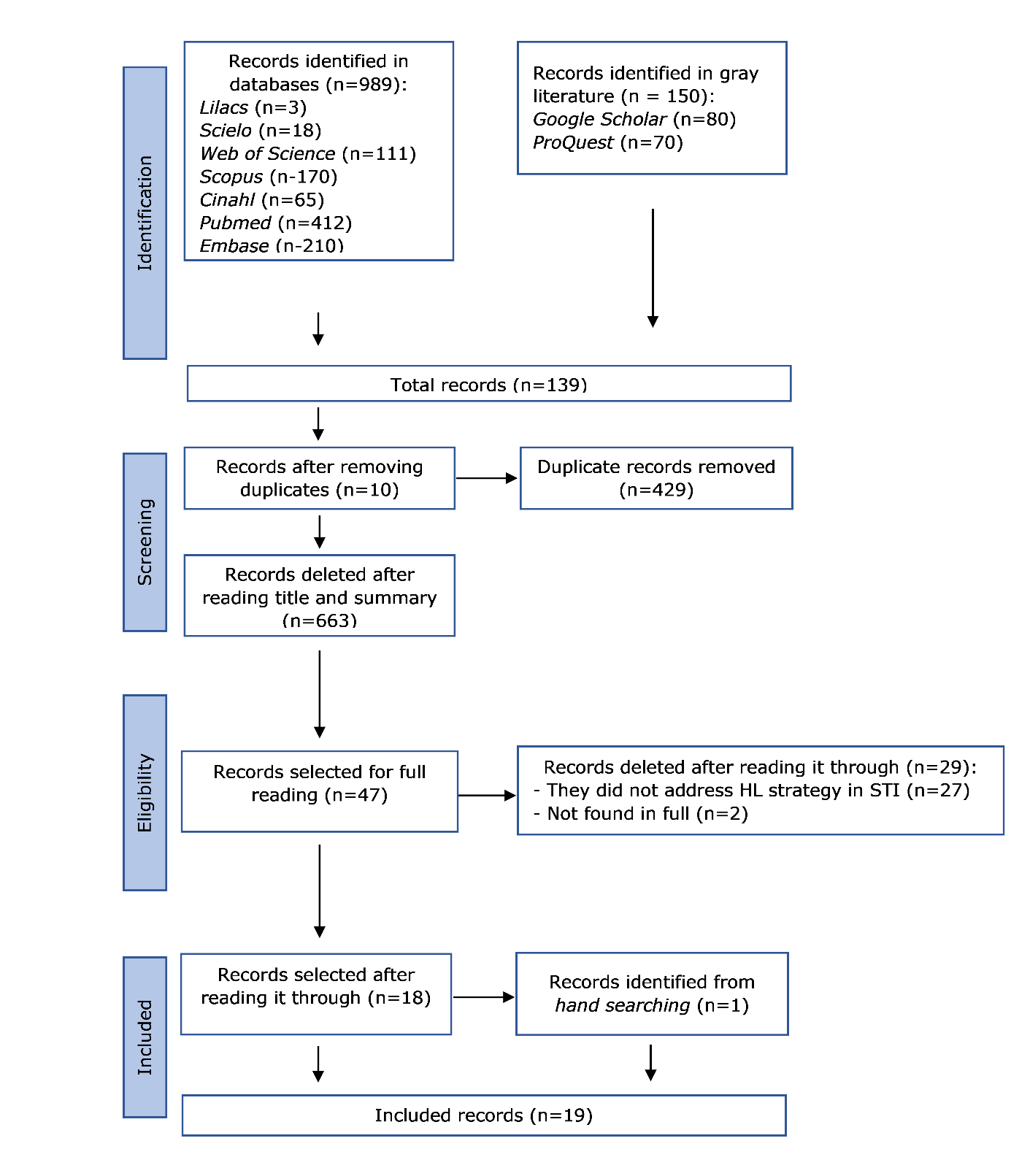 Figure 2 - Flowchart of selection of articles, adapted, after removal of duplicates and application of inclusion and exclusion criteria, based on PRISMA-ScR. Botucatu, SP, Brazil, 2023
Source: Flow diagram PRISMA-ScR adapted from Tricco et al., 2018
Of the 19 articles found in this review, 11 were developed in the United States of America (USA)(14-16,18,20,22-23,25-27,31), two in Canada(17,19) and Thailand(28-29) and one in Scotland(24), Portugal(32), Iran(30) and a study without location identification(21). In relation to the year of publication, a study was represented in the years 2001(14), 2003(15), 2005(16), 2011(17), 2013(18), 2015(19), 2019(22), 2023(32), two in 2016(20-21), 2020(23-24), 2021(25-26) and five in 2022(27-31).
The strategies developed aimed to reach a specific group in each identified study. In three(14,19-20), the HL strategies related to Sexually Transmitted Infections developed by both health professionals and patients, and all the others included only users(15-18,21-32) (Figure 3).
|
Article/year |
Objective |
Target population |
Study context |
Types of HL intervention and strategies |
Instruments |
|
Fortenberry, 2001(14) |
To evaluate the relationship between HL and the performance of a gonorrhea screening test in the last year |
Health professionals and users |
Community organizations, primary care clinics and clinics for STI
|
Professional training; videos; materials such as posters and pamphlets; graphics; eliminate technical words and jargon; to use limited number of concepts in meetings |
Rapid Estimate of Adult Literacy in Medicine (REALM) |
|
Van Servellen, 2003(15) |
To evaluate the acceptability and effectiveness of a program to improve HL in low-income Latin men and women infected with HIV and receiving antiretroviral therapy |
Users |
Community clinics |
HL program and improvement of adherence to treatment entitled Es por la Vida |
REALM |
|
Van Servellen, 2005(16) |
To evaluate the impact of an adherence improvement program for low-income HIV-infected Spanish speakers in HL |
Users |
Community clinics |
HL program and improvement of adherence to treatment entitled Es por la Vida; sessions of education in health |
REALM Adult AIDS Clinical Trials Group (ACTG) Membership Baseline Questionnaire |
|
Banister, 2011(17) |
To offer suggestions on how health professionals can respond to adolescent women’s reproductive health concerns by teaching them to increase their functional and communicative skills, interactive and critical HL |
Users |
Medical clinics for urban youth, urban secondary schools, alternative urban secondary school for young people at risk of school dropout and rural secondary school |
Search sites in the waiting rooms of the services; materials such as posters and pamphlets; books; questionnaires; health education sessions; groups; dramatization |
Not declared |
|
Kalichman, 2013(18) |
To test the effectiveness of an advisory intervention for building pictogram-guided adherence skills for adults with limited literacy living with HIV |
Users |
AIDS services and community extension in Atlanta |
Individual counseling sessions guided by pictograms; pamphlet; health education sessions |
Test of Functional HL in Adults (TOFHLA) |
|
McCall, 2015(19) |
To determine HL levels among patients in an HIV unit and identify and increase the level of knowledge among nurses, physicians, and health teams in relation to HL |
Health professionals |
Tertiary hospital that serves a large, diverse and marginalized population |
Training on tools and techniques used for the HL of patients |
''Newest Vital Sign: A HL Assessment Tool'' (NVS); HL auditing |
|
Dawson-Rose, 2016(20) |
To gain a deeper understanding of the meaning of HL for people living with HIV |
Health professionals and users |
HIV clinics |
Training of professionals; development of a relationship of trust between patient-provider, group discussions |
Mini Mental State Exam (MMSE) |
|
Shao, 2016(21) |
To determine whether the video, as an informational intervention, improved self-perception and examined knowledge about HIV/aids and the fundamentals of HIV testing |
Users |
Participants recruited online: most accessed social networks, commerce sites, blogs, study site |
Search sites in the waiting rooms of the services; videos; questionnaires |
REALM |
|
Nokes, 2019(22) |
To test whether electronic HL of people living with low-income HIV increased after participation in one of the two brief educational interventions |
Users |
Day Health Center for Multi-Local Adults
|
Videos, health education sessions |
Electronic HL Scale (eHEALS) |
|
Nokes, 2020(23) |
To explore whether increasing electronic HL increases the self-care capacity of people living with HIV with lower incomes |
Users |
Adult treatment program located in New York City for people living with low-income HIV |
Health education sessions |
Self-as-Carer Inventory (SCI) |
|
McDaid, 2020(24) |
To propose a comprehensive framework for the sexual HL of gay, bisexual and other men who have sex with men |
Health professionals and users |
Sexual health centers, community organizations and shopping venues |
Workshop, group discussions |
Not declared |
|
Chenneville, 2021(25) |
To examine the impact of the Bijou program on health-related outcomes for young men who have sex with men living with HIV |
Users |
Infectious diseases clinic for adolescents |
Self-directed electronic learning modules; health education sessions |
Self-efficacy for managing scale disease ; eHEALS; Bijou system usability scale |
|
Sanders, 2021(26) |
To determine whether a 6-week, peer-led intervention would improve HL, eHealth skills, and numeracy among people living with HIV |
Users |
Health clinics and local outpatient care hospitals |
Health education sessions |
Brief Estimate of Health Knowledge and Action (BEHKA), eHEALS, REALM, NVS |
|
Freibott, 2022(27) |
To examine the effect of HL on clinical outcomes and the use of community health services among people living with HIV |
Users |
Academic medical centers, federally qualified health centers, AIDS service organizations, public health department of the city |
HL Training; Meetings with ACS |
Brief HL Screening Tool (BRIEF) |
|
Manwong, 2022(28) |
To determine the relationship between sexual HL and pregnancy prevention and STI in high school students |
Users |
Public schools |
Questionnaires; brainstorming sessions |
Self-administered questionnaire |
|
Thongnopakun, 2022(29) |
To determine the effects of the online program on HL and sexual health behaviors among adolescents who had sex and those who had none during the COVID-19 situation in Thailand |
Users |
Public schools |
On line program |
Self-administered questionnaire |
|
Bazrafshani, 2022(30) |
To develop a conceptual model of using online social networks to improve HL and medication adherence among people living with HIV/aids in Iran |
Users |
Public health centers (hospital and clinic) |
Search sites; online social networks |
Semi-structured interviews |
|
Han, 2023(31) |
To evaluate the feasibility, acceptability and preliminary efficacy of a HL intervention called CHECC-UP among women living with HIV |
Users |
HIV clinics, community organizations, HIV/AIDS research center based in a university |
Materials such as posters and pamphlets; health education sessions |
Assessment of HL in Cancer Screening (AHL‐C), Cervical Cancer Knowledge (CCK), Cervical Cancer Self‐Efficacy scale, Patient Health Questionnaire-9 (PHQ-9) |
|
Sul, 2023(32) |
To describe the development and implementation of a community-based preventive program for the prevention of STI and the promotion of HL for patients who resort to an STI counseling consultation and detection |
Users |
Primary health care unit |
Materials such as posters and pamphlets; health education sessions |
HL Survey Portugal (ILS-PT), STD Attitude Scale |
HIV: Human Immunodeficiency Virus; HL: Health Literacy; ACS: Community Health Agent; STI: Sexually Transmitted Infections; REALM: Rapid Estimate of Adult Literacy in Medicine; ACTG: Adult AIDS Clinical Trials Group; TOFHLA: Test of Functional HL in Adults; NVS: Newest Vital Sign: A HL Assessment Tool; MMSE: Mini Mental State Exam (MMSE); eHEALS: Electronic HL Scale; SCI: Self-as-Carer Inventory; BEHKA: Brief Estimate of Health Knowledge and Action; BRIEF: Brief HL Screening Tool; AHL-C: Assessment of HL in Cancer Screening; CCK: Cervical Cancer Knowledge; PHQ-9: Cervical Cancer Self‐Efficacy Scale, Patient Health Questionnaire-9.
Figure 3 - Synthesis of the main findings found in the review. Botucatu, SP, Brazil, 2024
The benefits of HL could be combined into three groups: Clinical, relational, and intellectual, as shown in Figure 4.
|
Clinical |
Relational |
Intellectual |
|
Acceptability and accessibility of services(17) |
Communication/interactive HL development(17) |
Improvement of HL and other psychosocial outcomes(31) |
|
Increased adherence of the Pap smear test(31) |
Development of trust relations(20,30) |
HL Enhancement(14-32) |
|
Greater adherence to drug treatment(15-16,18) |
Facilitating social interactions with physicians and caregivers(16,30) |
Acquisition of knowledge that allowed an improvement in health(15,32) |
|
Undetectable HIV viral loads(18) |
Change in medical-patient relationships(30) |
Quick access to reliable health information and services medical consultation(30) |
|
Patient’s Satisfaction(32) |
|
HL improvements over HIV(15-16,21,25-27) |
|
Improvement in overall health and well-being(15,25) |
|
Increased electronic HL(22,26) |
|
Personal growth and management of HIV(25) |
|
Increased knowledge about choosing trusted sites from the Internet(23) |
|
Improvement in sexual behaviors and HL to prevent unwanted pregnancy and STI(29) |
|
|
HL: Health Literacy; HIV: Human Immunodeficiency Virus; STI: Sexually Transmitted Infections.
Figure 4 – Clinical, relational, and intellectual benefits of HL Strategies. Botucatu, SP, Brazil, 2024
In addition, many articles found used HL level assessment with participants through scales that evaluated specific literacy for a given disease(26,31), interpretation and reading-related literacy(14-16,18-19,21,26), numerical literacy(18), and the individual’s behavior in relation to his or her HL level(23,25,32), electronic HL level(22,25-26) and those that evaluated HL in general(27,32).
DISCUSSION
The present study enabled the identification of HL strategies related to Sexually Transmitted Infections that varied from the different objectives, methodological paths, and participants, which gave significant heterogeneity to the revealed findings.
The health education sessions stood out before the mapping of HL strategies aimed at Sexually Transmitted Infections carried out by patients and health professionals. These play a primary role in individual and collective care and health promotion and disease prevention(33), representing a strategy for the HL development(33-34).
HL is a variable that has different influence factors, such as knowledge, literacy, the social group that the patient and professional are inserted, and therefore different instruments have been considered in the research(14-16,18-19,21-23,25-27,31-32). It is possible to evaluate the ability to read and understand health information and determine the level of HL of the population, allowing health professionals to identify which patients will need special guidance in the use of the services, greater instructional support and from this plan equitable care actions(35-36).
The approach to patients with STI implies the implementation of specific HL strategies, since this is permeated by challenges such as stigmas, prejudices, limitation in the training of professionals in relation to HL, the uniqueness of individuals, time of consultation, absence of public health policies, among others(19-20,24). Therefore, it is imperative to offer means of access, support, interpretation, and use of health information by users, whether oral, digital, or written; the awareness of health services teams about HL in their practices; the reorganization of workflows in such a way that HL and its assumptions are integrated, highlighting the decision-making by users(37).
It is noticed a greater use of different HL strategies related to Sexually Transmitted Infections aimed at patients when compared to health professionals. This can be attributed to factors such as lack of time to approach HL, limited resources, little incentive in the workplace to deal with educational issues and HL in services, in addition to the assumption that professionals already have the necessary knowledge. This view contributes to the unpreparedness of professionals in dealing with HL in practice, impacting the quality of the service provided(34). These factors highlight the need for HL advances in the permanent education and practice of health professionals, as well as public policies that emphasize the importance of HL for professionals with investment in their training.
Nursing, as the largest health workforce in the world, is highlighted with regard to HL, because it identifies gaps in the knowledge, problems and health needs of the population; promotes the autonomy of patients by offering guidance on disease prevention, treatment and management; he develops research on HL; organizes lectures, workshops and campaigns in schools, health units and communities; and leads initiatives aimed at vulnerable groups such as sex workers, people living with HIV/aids and others(38). Therefore, as a care manager, it plays a crucial role in the training of other professionals, strengthening the process of permanent education.
Regarding users, the following are highlighted: informed decision-making, autonomy in managing their own well-being, reduction of stigma, increased adherence to treatment and promotion and prevention of diseases and diseases as determining factors for better clinical outcomes and greater safety in care, in addition to HL being a cost-effective component(33). At the same time, the construction of a bond and trust relationship strengthens social interactions, favors the sharing of essential health information, improves patient satisfaction, and contributes to the improvement of health outcomes(39-40).
Thus, the use of HL can contribute significantly in the process of construction, implementation, and implementation of public policies in the context of Sexually Transmitted Infections, promoting permanent education, strengthening the relationship between health professionals and users, reduction of inequalities and reflection on daily practices at work and health services(38,41).
It is also essential to consider the differences between North and Global South countries in the fight against HIV that reveal significant discrepancies in access to diagnosis and treatment, public health policies, and international cooperation. While the South has made significant progress through cooperation and reduction of drug costs, highlighting Brazil’s leading role in South-South cooperation, the North still faces challenges with the increase in new cases and the cuts in investments aimed at HIV prevention organizations(42-43).
Thus, the relevance of the present study is precisely because it maps different strategies of HL focused on Sexually Transmitted Infections and that can be used in different contexts, contributing to the improvement of the quality of life in the individual and collective scope and in the reduction of health inequalities, it is a crucial step to ensure effective and inclusive interventions and contributing to the reduction of stigmas, increased equity in access to information and improvement in both promotion, prevention and adherence to treatment.
Among the limitations of this review is the lack of access to two studies found, but not analyzed for non-access, the low methodological quality of some researches as small sample and absence of control group, in addition to the non-analysis of heterogeneity and risk of bias of the included studies because it is a scope review that according to the JBI method should present descriptive and exploratory character, and not analytical. Finally, the lack of understanding by health professionals, individuals, and researchers about what HL is can present itself as a factor that directly interferes with the results found in this review, since the descriptor used was “Health Literacy” and many articles may have addressed this topic, but without mentioning it.
CONCLUSION
The study enabled the identification of the existing HL strategies in the literature regarding Sexually Transmitted Infections, which despite presenting some challenges in their implementation, showed positive results related to the understanding, prevention and control of Sexually Transmitted Infections. The lack of training, especially of health professionals, and the existing prejudice regarding the subject were identified as one of the biggest limitations to be overcome in the implementation of the HL, being necessary to approach this technology early in undergraduate courses in health, with continuity in training and training.
In addition, it was also possible to identify the importance of evaluating the HL level of the population from different scales, this enables care actions to be planned and implemented according to the individual's health comprehension capacity and health needs. Finally, HL is a key component for health promotion at an individual and collective level, for users and health professionals, with regard to Sexually Transmitted Infections, as it allows informed decision-making and the promotion of empowerment and autonomy.
CONFLICT OF INTERESTS
The authors have declared that there is no conflict of interests.
REFERENCES
1. World Health Organization. Sexually transmitted infections [Internet]. Geneva: WHO; 2019 [cited 2023 Jul 20]. Available from: https://apps.who.int/iris/bitstream/handle/10665/329888/WHO-RHR-19.22-eng.pdf?ua=1
2. Ministério da Saúde (BR). Secretaria de Vigilância em Saúde, Departamento de Doenças de Condições Crônicas e Infecções Sexualmente Transmissíveis. Protocolo clínico e diretrizes terapêuticas para atenção integral às pessoas com infecções sexualmente transmissíveis - IST [Internet]. Brasília: Ministério da Saúde; 2022 [cited 2023 Jul 20]. Available from: https://www.gov.br/aids/pt-br/centrais-de-conteudo/pcdts/2022/ist/pcdt-ist-2022_isbn-1.pdf/view
3. Ministério da Saúde (BR). Secretaria de Vigilância em Saúde. Boletim epidemiológico de sífilis [Internet]. Brasília: Ministério da Saúde; 2022 [cited 2023 Jul 20]. Available from: https://www.gov.br/aids/pt-br/centrais-de-conteudo/boletins-epidemiologicos/2022/sifilis/boletim_sifilis-2022_internet-2.pdf/view
4. Ministério da Saúde (BR). Secretaria de Vigilância em Saúde. Boletim epidemiológico de HIV/Aids [Internet]. Brasília: Ministério da Saúde; 2023 [cited 2023 Jul 20]. Available from: https://www.gov.br/aids/pt-br/centrais-de-conteudo/boletins-epidemiologicos/2022/hiv-aids/boletim_hiv_aids_-2022_internet_31-01-23.pdf/view
5. Anderson AN, Haardörfer R, Holstad MM, Nguyen MLT, Waldrop-Valverde D. A path analysis of patient and social-level factors on health literacy and retention in care among african americans living with HIV. AIDS Behav. 2020;24(4):1124-32. https://doi.org/10.1007/s10461-019-02699-y
6. Castro-Sánchez E, Chang PWS, Vila-Candel R, Escobedo AA, Holmes AH. Health literacy and infectious diseases: why does it matter? Int J Infect Dis. 2016;43:103-10. https://doi.org/10.1016/j.ijid.2015.12.019
7. Martins AMEBL, Sampaio HAC, Diogo ATS, Lima PXV, Mesquita LGM, Souto CA, et al. História do letramento em saúde: uma revisão narrativa. Unimontes Cient. (Online). 2022;24(2):1-23. https://doi.org/10.46551/ruc.v24n2a1
8. Alshammari F, Khan KU. Knowledge, attitudes and perceptions regarding human papillomavirus among university students in Hail, Saudi Arabia. PeerJ. 2022;10:e13140. https://doi.org/10.7717/peerj.13140
9. Barbosa SP, Paula PAB, Amorim MMA, Pereira LSS, Reis YP. Letramento em saúde como estratégia de promoção da saúde: um estudo de revisão narrativa. Conjecturas. 2022;22(7):211-33. https://doi.org/10.53660/CONJ-S30-1155
10. Almeida DP, Ribeiro TC. Letramento em saúde na formação profissional de enfermeiros: contribuições e metodologias em artigos científicos [Undergraduate Thesis]. Goiânia: Escola de Ciências Sociais e da Saúde, Universidade Católica de Goiás; 2021.
11. Silva VM, Brasil VV, Moraes KL, Magalhães JPR. Health literacy of professionals enrolled in a Multiprofessional Residency Program in Health. Rev. Eletrônica Enferm. 2020;22:62315. https://doi.org/10.5216/ree.v22.62315
12. Aromataris E, Lockwood C, Porritt K, Pilla B, Jordan Z, editors. JBI Manual for Evidence Synthesis. JBI; 2024. https://doi.org/10.46658/JBIMES-24-01
13. Tricco AC, Lillie E, Zarin W, O’Brien KK, Colquhoun H, Levac D, et al. PRISMA extension for scoping reviews (PRISMA-ScR): checklist and explanation. Ann Intern Med. 2018; 169(7):467-73. https://doi.org/10.7326/M18-0850
14. Fortenberry JD, McFarlane MM, Hennessy M, Bull SS, Grimlev DM, St Lawrence J, et al. Relation of health literacy to gonorrhoea related care. Sex Transm Infect. 2001;77(3):206-11. https://doi.org/10.1136/sti.77.3.206 [included in review]
15. Van Servellen G, Carpio F, Lopez M, Garcia-Teague L, Herrera G, Monterrosa F, et al. Program to enhance health literacy and treatment adherence in low-income HIV-infected Latino men and women. AIDS Patient Care STDS. 2003;17(11):581-94. https://doi.org/10.1089/108729103322555971 [included in review]
16. Van Servellen G, Nyamathi A, Carpio F, Pearce D, Garcia-Teague L, Herrera G, et al. Effects of a treatment adherence enhancement program on health literacy, patient-provider relationships, and adherence to HAART among low-income HIV-positive Spanish-speaking Latinos. AIDS Patient Care STDS. 2005;19(11):745-53. https://doi.org/10.1089/apc.2005.19.745 [included in review]
17. Banister EM, Begoray DL, Daly LK. Responding to adolescent women's reproductive health concerns: empowering clients through health literacy. Health Care Women Int. 2011;32(4):344-34. https://doi.org/10.1080/07399332.2010.536603 [included in review]
18. Kalichman SC, Cherry C, Kalichman MO, Amaral C, White D, Grebler T, et al. Randomized clinical trial of HIV treatment adherence counseling interventions for people living with HIV and limited health literacy. J Acquir Immune Defic Syndr. 2013;63(1):42-50. https://doi.org/10.1097/QAI.0b013e318286ce49 [included in review]
19. McCall J, Wilson C. Promoting health literacy in an HIV-infected population: creating staff awareness. J Assoc Nurses AIDS Care. 2015;26(4):498-502. https://doi.org/10.1016/j.jana.2014.11.003 [included in review]
20. Dawson-Rose C, Cuca YP, Webel AR, Solís Báez SS, Holzemer WL, Rivero-Méndez M, et al. Building trust and relationships between patients and providers: an essential complement to health literacy in HIV care. J Assoc Nurses AIDS Care. 2016;27(5):574-84. https://doi.org/10.1016/j.jana.2016.03.001 [included in review]
21. Shao W, Guan W, Clark MA, Liu T, Santelices C, Cortes DE, et al. Does a video improve knowledge of HIV/AIDS and HIV testing among a global internet audience? J Int Assoc Provid AIDS Care. 2016;15(5):392-9. https://doi.org/10.1177/2325957415614646 [included in review]
22. Nokes KM, Reyes DM. Do brief educational sessions increase electronic health literacy of low-income persons living with HIV/AIDS? Comput Inform Nurs. 2019;37(6):315-20. https://doi.org/10.1097/CIN.0000000000000515 [included in review]
23. Nokes KM, Reyes DM. Internet use for health-related information: self-care agency of lower income persons living with HIV/AIDS. Nurs Sci Q. 2020;33(3):234-9. https://doi.org/10.1177/0894318420920605 [included in review]
24. McDaid L, Flowers P, Ferlatte O, Young I, Patterson S, Gilbert M. Sexual health literacy among gay, bisexual and other men who have sex with men: a conceptual framework for future research. Cult Health Sex. 2020;23(2):207-23. https://doi.org/10.1080/13691058.2019.1700307 [included in review]
25. Chenneville T, Drake H, Gabbidon K, Rodriguez C, Hightow-Weidman L. Bijou: engaging young MSM in HIV care using a mobile health strategy. J Int Assoc Provid AIDS Care. 2021;20:23259582211030805. https://doi.org/10.1177/23259582211030805 [included in review]
26. Sanders M, Tobin JN, Cassells A, Carroll J, Holder T, Thomas M, et al. Can a brief peer-led group training intervention improve health literacy in persons living with HIV? results from a randomized controlled trial. Patient Educ Couns. 2021;104(5):1176-82. https://doi.org/10.1016/j.pec.2020.10.031 [included in review]
27. Freibott CE, Martinez LSS, Rajabiun S, Drainoni ML. Health literacy, health outcomes and community health worker utilization: a cohort study in HIV primary care. BMC Health Serv Res. 2022;22(1):1254. https://doi.org/10.1186/s12913-022-08634-7 [included in review]
28. Manwong M, Thongnopakun S, Rodjarkpai Y, Wattanaburanon A, Visanuyothin S. Sexual health literacy and preventive behaviors among middle-school students in a rural area during the COVID-19 situation: a mixed methods study. Health Promot Perspect. 2022;12(2):178-85. https://doi.org/10.34172/hpp.2022.22 [included in review]
29. Thongnopakun S, Manwong M, Rodjarkpai Y, Wattanaburanon A, Visanuyothin S. The effects of the ‘Our Love, Our Control’ online program on sexual health literacy (SHL) and behaviors in preventing unintended pregnancy and sexually transmitted diseases (STDs) among adolescents in agricultural areas during COVID-19 outbreak in Thailand. F1000Research. 2022;11:929. https://doi.org/10.12688/f1000research.121767.1 [included in review]
30. Bazrafshani A, Panahi S, Sharifi H, Merghati-Khoei E. The role of online social networks in improving health literacy and medication adherence among people living with HIV/AIDS in Iran: development of a conceptual model. PLoS One. 2022;17(6):e0261304. https://doi.org/10.1371/journal.pone.0261304 [included in review]
31. Han HR, Mendez KJW, Perrin N, Cudjoe J, Taylor G, Baker D, et al. Community-based health literacy focused intervention for cervical cancer control among black women living with human immunodeficiency virus: a randomized pilot trial. Health Expect. 2023;26(1):172-82. https://doi.org/10.1111/hex.13644 [included in review]
32. Sul S, Ferreira L, Maia AC, Coelho A, Costa A. Sexually transmitted infections and health literacy: a community-based preventive program. J Prim Care Community Health. 2023;14:21501319231159973. https://doi.org/10.1177/21501319231159973 [included in review]
33. Ribas KH, Araújo AHIM. A importância do Letramento em Saúde na Atenção Primária: revisão integrativa da literatura. Res Soc Dev. 2021;10(16):e493101624063. http://dx.doi.org/10.33448/rsd-v10i16.24063
34. Martins NFF, Silveira RS, Abreu DPG. Undergraduate Health: relationship between Health Literacy and care from the SUS perspective. Saúde Pesqui. (Online). 2022;15(4):e11080. https://doi.org/10.17765/2176-9206.2022v15n4.e11080
35. Maragno CAD, Mengue SS, Moraes CG, Rebelo MVD, Guimarães AMM, Pizzol TS. Test of health literacy for portuguese-speaking adults. Rev Bras Epidemiol. 2019;22:e190025. https://doi.org/10.1590/1980-549720190025
36. Cangussú LR, Alho EAS, Cardoso FEL, Tenório APO, Barbosa RHA, Lopes JM, et al. Concordance between two instruments for health literacy assessment. Epidemiol Serv Saude. 2021;30(2):e2020490. https://doi.org/10.1590/S1679-49742021000200004
37. Zanchetta MS, Santos WS, Moraes KL, Paula CM, Oliveira LM, Linhares FMP, et al. Incorporação do letramento em saúde comunitária ao Sistema Único de Saúde: possibilidades, controvérsias e desafios. J Nurs Health. 2020;10(3):e20103010. https://doi.org/10.15210/jonah.v10i3.19285
38. Almeida EC, Marran AL, Baldissera VDA, Corsi CAC, Yahiaoui S, Bouchkira H, et al. A enfermagem e o letramento em saúde no contexto do HIV/aids, tuberculose, hepatites virais e infecções sexualmente transmissíveis. Enferm. foco (Brasília). 2024;15(Supl 2):S169-76. https://doi.org/10.21675/2357-707X.2024.v15.e-202421SUPL2
39. Shahid R, Shoker M, Chu LM, Frehlick R, Ward H, Pahwa P. Impact of low health literacy on patients' health outcomes: a multicenter cohort study. BMC Health Serv Res. 2022;22:1148. https://doi.org/10.1186/s12913-022-08527-9
40. Mânica R. Letramento em saúde e o engajamento do paciente. In: Albuquerque A, Tanure C, Rodrigues J, Eler K, Durães K, Dias L, et al. Engajamento do paciente e de familiares na segurança do paciente. Ponta Grossa (PR): Atena Editora; 2023. p. 96-104. https://doi.org/10.22533/at.ed.5592321099
41. Barbosa L. Introduzindo o campo da literacia em saúde: conceito, usos e reflexões para a saúde pública. Rev Electron Comun Inf Inov Saude. 2021;15(3):790-96. https://doi.org/10.29397/reciis.v15i3.2445
42. Pini AM, Macedo GFA. O combate ao HIV/Aids nos marcos estratégicos do escritório das Nações Unidas para a cooperação Sul-Sul (1997-2021). Novos Estudos CEBRAP. 2023;42(3):475-95. http://dx.doi.org/10.25091/S01013300202300030006
43. Brink D, Martin-Hughes R, Bowring AL, Wulan N, Burke, Tidhar T, et al. Impact of an international HIV funding crisis on HIV infections and mortality in low-income and middle-income countries: a modelling study. The Lancet HIV. 2025;12(5):E346-E354. https://doi.org/10.1016/S2352-3018(25)00074-8
Submission: 18-Dec-2023
Approved: 21-Apr-2025
Editors:
Rosimere Ferreira Santana (ORCID: 0000-0002-4593-3715)
Geilsa Soraia Cavalcanti Valente (ORCID: 0000-0003-4488-4912)
Ana Carla Dantas Cavalcanti (ORCID: 0000-0003-3531-4694)
Corresponding author: Juliane Andrade (juliane.andrade@unesp.br)
Publisher:
Escola de Enfermagem Aurora de Afonso Costa – UFF
Rua Dr. Celestino, 74 – Centro, CEP: 24020-091 – Niterói, RJ, Brazil
Journal email: objn.cme@id.uff.br
|
AUTHORSHIP CONTRIBUTIONS |
|
Project design: Sousa LM, Santos LC, Ribeiro S. Data collection: Sousa LM, Santos LC, Andrade J. Data analysis and interpretation: Sousa LM, Santos LC, Ribeiro S, Andrade J. Writing and/or critical review of the intellectual content: Sousa LM, Santos LC, Ribeiro S, Andrade J. Final approval of the version to be published: Sousa LM, Santos LC, Ribeiro S. Responsibility for the text in ensuring the accuracy and completeness of any part of the paper: Sousa LM, Santos LC, Ribeiro S. |
